

US-Iran Military Crisis Escalates: China Slams Alleged Israeli Assassinations of Iranian Officials Amid Surging Tensions
• From trending topic: US-Iran military crisis and alleged assassinations of Iranian officials
Summary
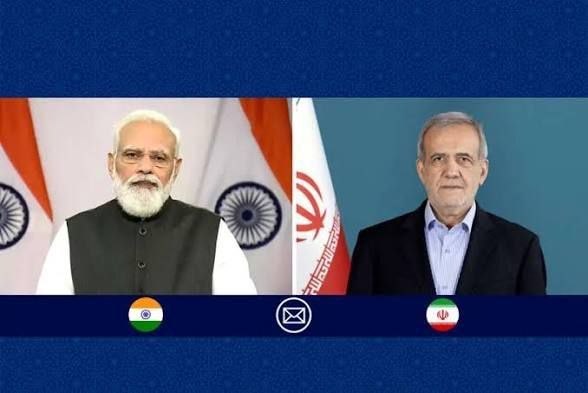
The topic "US-Iran military crisis and alleged assassinations of Iranian officials" is exploding on X right now due to fresh statements from China condemning reports of Israeli military actions targeting high-profile Iranian figures, including security chief Ali Larijani. Beijing's Foreign Ministry labeled the killings of Iranian leaders and strikes on civilian targets as "unacceptable," reiterating opposition to force in international relations. This comes amid claims of Israeli authorization to eliminate any Iranian official, sparking widespread posts about ongoing US and "Zionist regime" aggression against Iran. Adding fuel, a recent phone call between the presidents of Russia and India—led by Narendra Modi—discussed bilateral ties and regional developments in light of these events, racking up hundreds of likes and shares. The trend surged today as users connect these developments to broader fears of Iranian missile responses on US facilities, lack of Saudi clarifications, and strained global alliances, amplifying debates on Middle East stability just as hybrid threats and energy security reports gain traction elsewhere.
Common Perspectives
### Chinese Condemnation as Stand Against Western Aggression
Many X users highlight China's vocal opposition, viewing it as a principled rebuke of US-backed Israeli actions. Posts praise Beijing's stance on avoiding force, seeing the alleged Larijani assassination and civilian strikes as escalatory moves that demand international pushback.
### Russian-Indian Diplomacy Signals Shifting Alliances
A dominant viewpoint celebrates the Russia-India call as evidence of emerging anti-Western coalitions. With 471+ likes on related posts, users frame it as a direct response to US and Israeli "military aggression," positioning Modi and Putin as key players countering Iran-focused tensions.
### Fears of Iranian Retaliation and Regional Chaos
Users express alarm over unconfirmed Iranian missile attacks on US sites, warning of dire implications for security. The absence of Saudi denials heightens speculation, with posts linking this to high regional tensions that could spiral into wider conflict.
### Skepticism of Western Media Narratives
Some posts question mainstream outlets, UN, and think tanks like the Council on Foreign Relations for aligning on US involvement in strikes (e.g., on an Iranian school). This perspective sees unified reporting as biased, urging independent verification amid the crisis.
### Broader Geopolitical Ripple Effects
Discussions tie the crisis to unrelated but timely issues like Baltic Sea security redefinitions, NATO-EU dynamics, and even Uganda's diplomacy pushes, portraying the assassinations as a catalyst disrupting global energy, military, and transatlantic relations.
A Different View
While most focus on immediate blame and alliances, consider the assassinations through the lens of domestic Iranian politics: the targeting of figures like Ali Larijani—a former speaker and moderate voice—could inadvertently unify Iran's fractured leadership. Rather than weakening Tehran, these strikes might rally hardliners, accelerating internal purges or proxy escalations in unexpected theaters like Yemen or Syria, forcing the US to pivot resources from Ukraine or the Pacific and reshaping hybrid warfare strategies worldwide.
Conclusion
As China's rebukes and Russia-India talks dominate X feeds, the alleged assassinations underscore a volatile flashpoint where superpower posturing meets Middle East brinkmanship. With no official US or Israeli confirmations yet, the crisis tests global fault lines—stay tuned as reactions from Modi, Putin, and beyond could redefine the board.
Sources and discussion
These public posts were collected while researching this story. They provide context and reactions, but may not independently verify every claim.
View the original topic on XAEON Radar
@AEONRadar
🚨 BREAKING 🇨🇳 China condemns alleged assassinations of Iranian officials 🇨🇳 Foreign Ministry spokesperson: “The killing of Iranian leaders and attacks on civilian targets are unacceptable.” 🌐 China reiterates its opposition to the use of force in international relations
Mar 19, 20261 likesअमन
@Amansngh084Aman
@MFA_China BREAKING: China has expressed shock and strong opposition to reports that the Israeli military was “authorized to kill any Iranian official”, saying it is fundamentally against the use of force in international relations. Beijing stressed that the killing of Iranian leaders and
Mar 19, 2026Tehran Times
@TehranTimes79
#BREAKING President @drpezeshkian held a telephone conversation with Indian Prime Minister Narendra Modi to discuss bilateral relations, regional and international developments in light of the continued military aggression by the US and the Zionist regime against Iran.
Mar 21, 2026471 likes64 repostsFilip Bryjka
@FilipBryjka
Yesterday, we realesed your report on a redefinition of security in the Baltic Sea region focusing on military and hybrid threats, energy security, political cooperation, transatlantic relations, NATO and EU. Today, we have already started to share our findings with international
Mar 18, 202628 likes6 repostsMd Nasir🇮🇳
@nasirgour05
#BREAKING President @drpezeshkian held a telephone conversation with Indian Prime Minister Narendra Modi to discuss bilateral relations, regional and international developments in light of the continued military aggression by the US and the Zionist regime against Iran.
Mar 21, 2026Rahul singh💲
@imRahulxinghh
@narendramodi The Geo Matters shares updates and analysis on global conflicts and international relations. It covers breaking news and insights into military and geopolitical events.
Mar 21, 2026