

Iran's Long-Range Missile Strike on US-UK Base Shakes Middle East Tensions
• From trending topic: Iran's long-range missile strike on US-UK base in Middle East
Summary
Reports are surging across social media platforms like X about Iran launching a long-range missile strike on a US-UK military base in the Middle East, marking one of its most ambitious attempts at nearly 4,000 km range. This specific event exploded into trending status today due to fresh posts highlighting the strike's details—two missiles fired 39 minutes apart in a "double tap" maneuver—alongside reactions tying it to broader geopolitical shifts, including statements from Iranian figures like Mojtaba Khamenei on opposing "global arrogance" and Syrian condemnations of related attacks. The buzz intensified with discussions of overnight strikes impacting Gulf states, oil prices, and potential US policy pivots, amplified by high-engagement threads questioning escalations under past US leadership and predicting power realignments. Key context includes the strike's demonstration of Iran's extended missile reach, occurring amid heightened Israel-Syria frictions and proxy war narratives, driving viral speculation on immediate global ripples like economic instability and military responses.
Common Perspectives
Power Shift in Global Politics
Many view the strike as a bold display of Iran's missile prowess, signaling a major reconfiguration of Middle East power dynamics. Posts emphasize the 4,000 km range as a "breaking" moment that could force Western forces to reconsider basing strategies, with users predicting broader isolation of Iran alongside rising global tensions.
US Foreign Policy Catalyst
A significant angle blames US actions for sparking the chaos, linking the strike to promises of avoiding foreign wars that allegedly led to destabilization. Discussions highlight economic fallout like oil price spikes from related Gulf strikes, framing it as a direct consequence of past decisions under leaders like Trump.
Escalation Amid Proxy Conflicts
Observers connect the event to intertwined regional flashpoints, including Syrian Foreign Ministry statements on Israeli pretexts and Netanyahu's long-term conflict focus. This perspective sees the missile action as part of proxy wars turning personal and ideological, with 90% reported support for retaliatory strikes fueling fears of wider involvement.
Regional Alliances and Arrogance
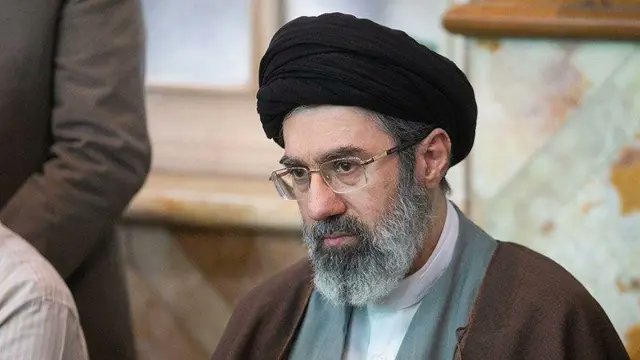
Iranian voices, echoed in posts quoting Mojtaba Khamenei, position the strike as aligned with neighboring countries against "global arrogance forces," portraying it as a unified stance rather than isolated aggression. This ties into anti-Western rhetoric dominating today's threads.
Economic and Strategic Isolation
Some focus on the strike's fallout hitting Gulf states, driving up global oil prices and further cornering Iran's regime. This view anticipates scaling back of foreign military efforts, with the "double tap" tactic underscoring tactical sophistication amid economic pressures.
A Different View
While most reactions fixate on military bravado or US missteps, consider the strike's timing as a calculated economic chess move: by targeting bases near key oil routes, Iran may be preemptively leveraging volatility to boost its own energy leverage in negotiations, potentially forcing a quiet diplomatic off-ramp through shared global interests in price stability—turning a show of force into a bargaining chip most analysts overlook amid the fireworks.
Conclusion
This trending missile strike underscores a volatile crossroads in Middle East geopolitics, blending technological feats with ideological clashes and economic stakes. As reactions pour in, the event's ripples—from oil markets to alliance realignments—promise to reshape global strategies in the days ahead.
Sources and discussion
These public posts were collected while researching this story. They provide context and reactions, but may not independently verify every claim.
View the original topic on Xjalil Ur rahman
@HijabRahma26438
🔥 Breaking Power Shift in Global Politics 🔥 Iran has reportedly demonstrated its long-range missile capability by targeting a US-UK military base nearly 4,000 km away — one of its longest-range strike attempts ever. �
Mar 21, 20261 likesFakeBelieve
@OutOfPlaceAudio
@BreakerOfChains @FmrRepMTG The fact that you think the war in the Middle East is 'America politics' and not a global concern is fascinating. I'm guessing that every media report is fake news to you, so I'll wait for the Pentagon findings & revisit this post. Two missiles, 39 minutes apart - double tap.
Mar 21, 2026Dsg 🎨
@dsgaert
@spectatorindex Whoa 😳 if this actually happens, it’s huge news. Scaling back military efforts in the Middle East would be a massive shift, and honestly it makes you wonder how it’ll ripple through global politics. Big moves ahead for sure.
Mar 20, 20262 likesSET_ MEDIA
@set_media91347
He promised no foreign wars, but his actions sparked chaos in the Middle East, destabilizing the economy and risking global conflict. Did he underestimate the fallout? 🤔💥 #ForeignPolicyFail #MiddleEastCrisis #EconomicMayhem #reaction #news #politics #trump #truthmatters
Mar 21, 2026CrisisWatch
@Abo_al_abd1
🚨 Breaking | Mojtaba Khamenei: We share beliefs and interests with neighboring countries, and a stance against global arrogance forces. #Breaking #Iran #Khamenei #MiddleEast #Politics
Mar 20, 20261 likesRow Politix
@FrontPolitiX
Syrian Foreign Ministry: Today’s attack in southern Syria comes under fabricated pretexts as part of Israel’s escalation policy. #Breaking #Trending #Viral #WorldNews #Global #Syria #Israel #MiddleEast #War #Politics #Geopolitics #Live
Mar 20, 20261 likes