

European Officials Condemn Russia's Duma Elections
• From trending topic: EU Condemns Russia's September 2026 Elections as Kremlin-Controlled Sham
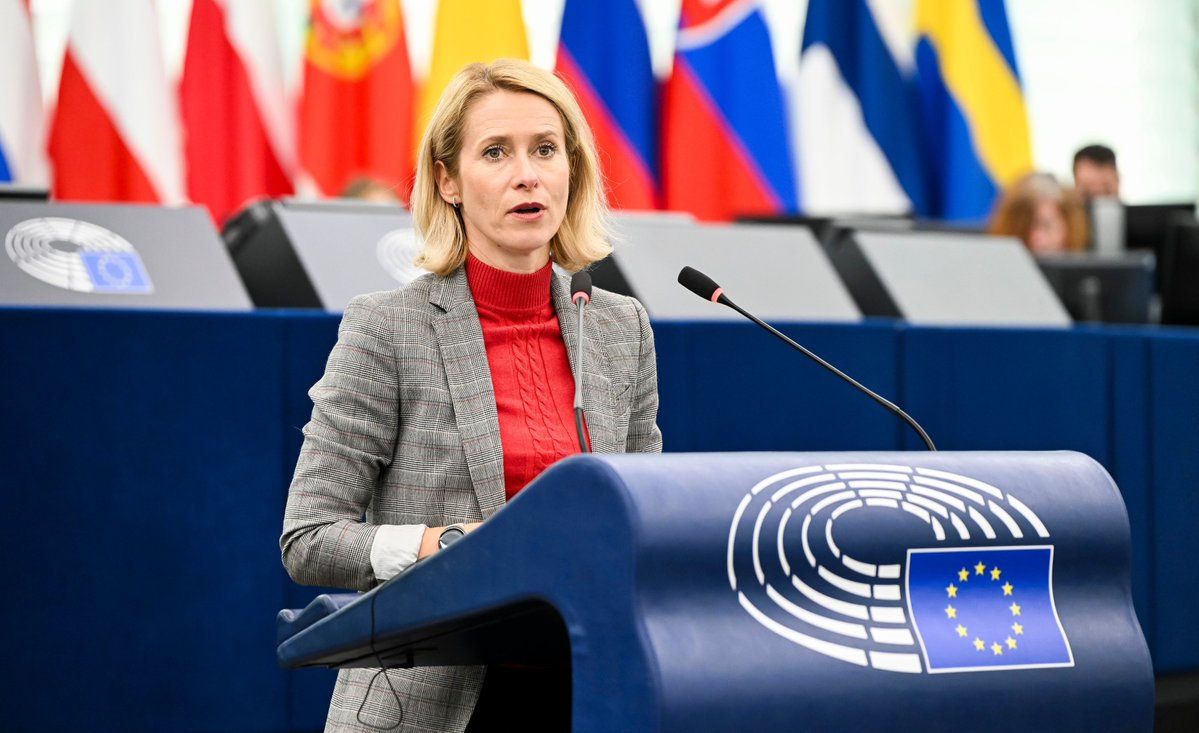
Summary
Kaja Kallas condemned Russia’s 2026 State Duma elections as a sham, describing them as an insult to Ukraine, the Russian people and democracy. The EPP Group also denounced the elections and called for political and diplomatic isolation of the Russian regime, including exclusion of its representatives from international forums.
Alicia Kearns said the Council of Europe had unanimously supported her resolution declaring the Duma illegitimate. These statements record the speakers’ political judgments and demands. The Council of Europe is a separate institution from the European Union; Kearns’s account of its resolution and the EPP Group’s call for action concern distinct institutional responses.
Common Perspectives
Democratic legitimacy
Kallas links her condemnation to repression of political opposition and civil society. Her statement frames electoral legitimacy as part of a wider question about the exercise of power in Russia. Assessing that argument fully would require detailed evidence about the electoral process alongside these political statements.
Diplomatic isolation
The EPP Group explicitly calls for isolation and exclusion from international forums. As policy analysis, such measures could reinforce a refusal to confer legitimacy while reducing opportunities for official contact. Their practical effect would depend on which institutions implement them.
Institutional recognition
Kearns presents the resolution as an international refusal to recognize the Duma’s legitimacy. Her statement establishes the position she attributes to the Council of Europe. The resolution’s text and subsequent institutional decisions would clarify its practical consequences.
A Different View
An analytical question is how a declaration of illegitimacy changes participation rules, invitations or diplomatic exchanges. Each body has its own decision-making process, so a common political message could produce different operational outcomes. Tracking those decisions would help readers judge the effects of the condemnation.
Conclusion
The next developments to watch are publication of the resolution’s precise terms and decisions on the exclusions sought by the EPP Group.
Sources and discussion
These public posts were collected while researching this story. They provide context and reactions, but may not independently verify every claim.
View the original topic on XEPP Group
@EPPGroup
The EPP Group strongly denounces the 2026 sham elections to the Russian State Duma and calls for political and diplomatic isolation of the Russian regime for as long as necessary. We call for the exclusion of representatives of the regime from international fora and for the
Oct 6, 202636 likes14 repostsKaja Kallas
@kajakallas
Russia’s sham Duma elections were an insult to Ukraine, to the Russian people, and to democracy itself. Putin hates democracy because he is threatened by it. That is why – along with destroying civil society and repressing political opposition at home – Russia meddles in the
Oct 6, 20263.8K likes823 reposts