

Toronto Mayor Olivia Chow's Call to Ban ICE from FIFA World Cup Sparks Viral Debate
• From trending topic: Toronto Mayor Olivia Chow wants to ban ICE from FIFA World Cup
Summary
Toronto Mayor Olivia Chow has recently drawn widespread attention on social media platform X after users highlighted her purported push to ban U.S. Immigration and Customs Enforcement (ICE) from the upcoming FIFA World Cup matches hosted in Toronto. This claim surged as a trending topic amid heated online discussions, fueled by a specific post criticizing Chow's stance as overreach following her vocal opposition to U.S. tariffs under President Trump. The post stated: "Our mayor, Olivia Chow, tried to fight Trump over the 'tariffs,' but it was all just empty words. Now she wants to ban ICE from the FIFA World Cup. I don't think she has the power to do it, and even if she did, she'd be sidelined over this issue in Toronto #news." This ignited a wave of reactions, questioning her authority, motives, and the feasibility of such a ban.
The buzz ties into Toronto's role as a host city for the 2026 FIFA World Cup, co-hosted by Canada, Mexico, and the United States, with matches scheduled at BMO Field. While no official city statement confirms an active "ban" initiative from Chow today, the trending discourse portrays it as a fresh political flex amid U.S.-Canada tensions, amplified by unrelated World Cup chatter like boycotts and global news snippets. It's trending now due to this viral post gaining traction in conservative circles, blending local politics with international soccer hype, and exposing divides on immigration enforcement during a high-profile event expected to draw millions.
Common Perspectives
Political Overreach and Powerlessness
Many online voices argue Chow lacks the jurisdiction to enforce any ICE ban, viewing it as grandstanding without legal teeth. Critics tie it to her recent tariff criticisms of Trump, calling it "empty words" that could alienate Toronto residents and sideline her leadership.
Anti-Trump Virtue Signaling
Supporters frame the move as principled resistance to U.S. immigration policies, especially under Trump, positioning Toronto as a progressive sanctuary city unwilling to host federal agents during the World Cup. This perspective celebrates it as standing up to perceived overreach.
FIFA Neutrality Concerns
Soccer fans worry that injecting immigration politics could jeopardize Toronto's World Cup hosting status, emphasizing FIFA's strict apolitical rules. Discussions reference past boycotts, like unverified Iran claims, as cautionary tales of how such stances disrupt global events.
Broader U.S.-Canada Tensions
Some connect it to escalating bilateral frictions, including tariffs and security, seeing the ICE ban call as escalation that risks cross-border cooperation for the jointly hosted tournament.
Service Worker and Local Impact Focus
A niche view highlights potential fallout on Toronto's service economy, arguing World Cup success relies on workers like truckers and hospitality staff who could face disruptions from politicized security measures.
A Different View
Rather than a mayoral power play or immigration standoff, this could signal an emerging "sanctuary stadium" model for mega-events, where host cities negotiate private security pacts with FIFA to sidestep national enforcement agencies like ICE. Toronto's layered urban history—boasted in trending posts about "three cities beneath the city"—mirrors its complex immigrant fabric, potentially positioning it as a testing ground for apolitical hosting that prioritizes fan safety and global unity over bilateral spats, quietly reshaping how cities like it leverage sports for soft power.
Conclusion
Olivia Chow's spotlighted ICE ban proposal has transformed a niche political jab into a trending flashpoint, blending World Cup excitement with U.S.-Canada fault lines. As Toronto gears up for 2026, these debates underscore the high stakes of hosting amid global divides, leaving fans and locals debating whether it's bold leadership or risky distraction.
Sources and discussion
These public posts were collected while researching this story. They provide context and reactions, but may not independently verify every claim.
View the original topic on XPEER COMMUNITY HUB, Our Empowerment Zone! 🇨🇦✌️
@p_communityhub
Our mayor, Olivia Chow, tried to fight Trump over the "tariffs," but it was all just empty words. Now she wants to ban ICE from the FIFA World Cup. I don't think she has the power to do it, and even if she did, she'd be sidelined over this issue in Toronto #news
Mar 21, 2026PEER COMMUNITY HUB, Our Empowerment Zone! 🇨🇦✌️
@p_communityhub
FIFA WORLD CUP IN TORONTO, CANADA Hi, World Did you know there are perhaps three cities beneath the city of Toronto? Every year, and every five years, buildings, houses, and other structures are demolished to make way for new ones. It never ends. #News
Mar 21, 2026NewsNerdHQ
@HQNewsNerd
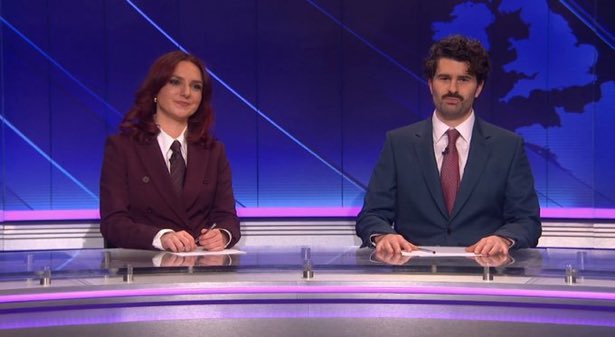
SNL UK Quick news segment was VERY controversial, from Andrew Mountbatten through to Israel at the World Cup ⚽️ Saturday Night Live UK seems to have gone down quite well on socials.
Mar 21, 20264 likesEU Bureaucrat
@EU_Bureaucrat
@CaliforniaActi2 @FellaBoston @stevesi28838948 @ALJWS @dale_dsll @JackRyanlives @FrancaRose33 @Gonz67Ricky @jgmac1106 @revengehugh @MikeR498 @LADemKim What other news is there in the "Miscellaneous from around the world" section? On Russian state TV children sing about how great life is without the internet and phones. Russia, soon to be like North Korea, only with vodka.
Mar 21, 20262 likesDashiki Goddess - Plz tip me if u like posts! 💵
@PigmentInk_
Dear Elites You seem to forget that SERVICE workers truly run the world TSA staff Truckers Maid Service Waiters Chauffer's House Managers Nannys Assistants Cargo/Dock Workers Flight Attendants Pilots FIX IT or WE ARE COOKED! #btc #eth #old #gold #slv #oil #war #America #news
Mar 21, 20261 likesTim Jon Barry
@TimJonBarry
Was the Iran National Football confederation boycotting the World Cup false news as well?
Mar 21, 2026