

51 Countries Press Russia for Immediate Ukraine Ceasefire at UN
• From trending topic: 51 Nations Urge Ukraine Ceasefire as Russia Rejects Call at UN
Summary
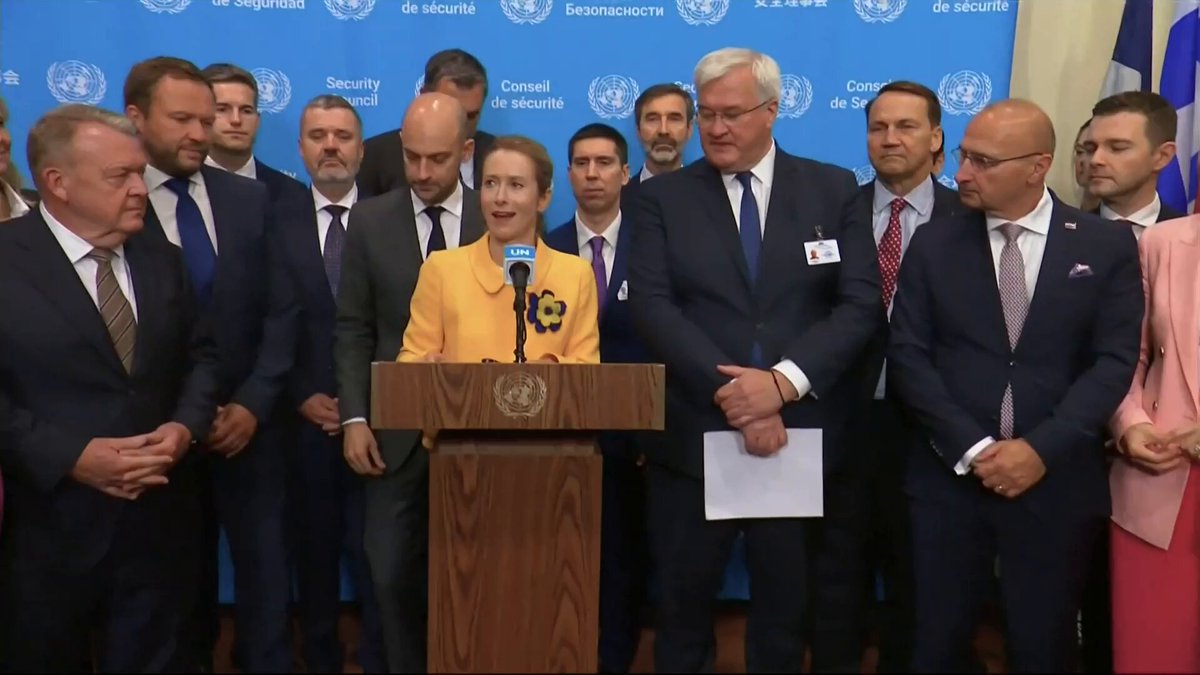
Fifty-one countries issued a joint statement at the UN General Assembly urging Russia to accept a full, immediate ceasefire in Ukraine. Moscow rejected the appeal.
The statement, according to posts sharing its language, noted that Ukraine has agreed to a full, immediate and unconditional ceasefire since March 2025 and called on Russia to match that position. Circulating accounts of Russia’s response described the proposal as pointless and said the underlying issues of the conflict had to be addressed first. The exchange took place against a war that has continued for years; the supplied reporting does not include the full text of either the joint statement or Russia’s formal reply, battlefield details, or independent confirmation of every claim in social-media posts about the session.
The 51-nation grouping presented the call as evidence of continued international support for Ukraine. Russia’s reported stance framed an immediate halt in fighting as insufficient without resolution of what it considers core disputes. No new negotiating track or enforcement mechanism was described in the available material.
Common Perspectives
Russia is isolated and should accept the same terms Ukraine already offered
Governments and commentators aligned with Ukraine and most Western capitals tend to hold this view. It treats the joint statement as proof of broad diplomatic consensus that Russia is the party blocking peace. The appeal is moral and political: if Kyiv has already accepted an unconditional ceasefire, continued fighting is Moscow’s choice. The assumption is that public pressure at the UN can shift Russian calculations or at least raise the cost of refusal. The trade-off is that statements of this kind have not previously produced a halt in operations, and they leave unanswered how a ceasefire would be monitored or what happens to territory currently held by either side.
A ceasefire without addressing root causes is a trap
Russian officials and analysts sympathetic to Moscow’s stated positions typically argue that an immediate, unconditional halt would freeze an unacceptable status quo and ignore the security issues they say produced the war. This view treats the 51-nation call as one-sided theater rather than a serious peace initiative. It appeals because it insists any pause must be linked to political settlement of those issues. The assumption is that Russia can still improve its position or extract better terms by continuing to fight. The risk is that “underlying issues” remain undefined in public, making talks easy to delay indefinitely while casualties continue.
Stop the killing first; politics can wait
Humanitarian advocates, some non-aligned governments, and parts of the public exhausted by the war’s duration often prioritize an immediate ceasefire regardless of who is blamed. The appeal is practical: every day of fighting produces more deaths and destruction that no later settlement can reverse. This perspective assumes both sides would actually honor a pause and that a freeze could create space for later negotiation. The trade-off is that ceasefires without agreed terms or credible monitors have frequently collapsed, and a pause on current lines could be read as de facto recognition of territorial gains.
UN votes and statements are mostly signaling, not strategy
Realist observers and some military analysts regard the General Assembly exercise as alliance management and domestic messaging more than a genuine attempt to end the fighting. Battlefield outcomes, they argue, will decide whether either capital sees a ceasefire as advantageous. This view appeals to those who have watched earlier diplomatic rounds produce little change on the ground. It assumes leaders respond primarily to force ratios, logistics, and political survival at home rather than to joint communiqués. The limitation is that it can undervalue the cumulative effect of isolation, sanctions, and aid decisions that do flow from such diplomatic alignments.
A Different View
The 51-country statement and Russia’s rejection may matter less as a peace proposal than as a snapshot of how both sides now use the UN calendar. For the group backing Ukraine, repeating the March 2025 ceasefire offer in a high-profile venue keeps the narrative of Russian intransigence alive without requiring new military or financial commitments from every signatory. For Moscow, dismissing the call as pointless while invoking “underlying issues” preserves flexibility: it can claim it wants a settlement while avoiding a freeze that might lock in current lines before it is ready. The neglected dynamic is therefore not who is more sincere about peace, but how both parties have incentives to keep the diplomatic theater running even when neither expects it to produce an actual halt in fighting. What happens next will likely be decided by operations, ammunition stocks, and domestic politics far from the General Assembly hall.
Conclusion
Watch whether additional governments join or distance themselves from the 51-nation text, whether Russia offers any concrete counter-proposal beyond the reported rejection, and whether either side’s military activity around the time of the statement suggests the diplomacy is connected to a pause or simply running in parallel with the war.
Sources and discussion
These public posts were collected while researching this story. They provide context and reactions, but may not independently verify every claim.
View the original topic on XWarMonitor🇺🇦🇬🇧
@WarMonitor3
Russia has rejected Ukraine immediate ceasefire proposal and called it pointless instead suggesting underlying issues of the conflict had to be addressed. There you have it…
Sep 22, 202610.8K likes941 repostsKaja Kallas
@kajakallas
51 countries are united today in our support for Ukraine at the UN General Assembly. Since March 2025, Ukraine has agreed to a full, immediate and unconditional ceasefire. We call on Russia to finally do the same. Ukraine wants peace. We want peace. Russia must stop its
Sep 23, 20266.2K likes1.5K reposts