

Iran’s Strait of Hormuz Threat Sparks Fresh Global Energy Jitters
• From trending topic: Iran Claims Closure of Strait of Hormuz
Summary
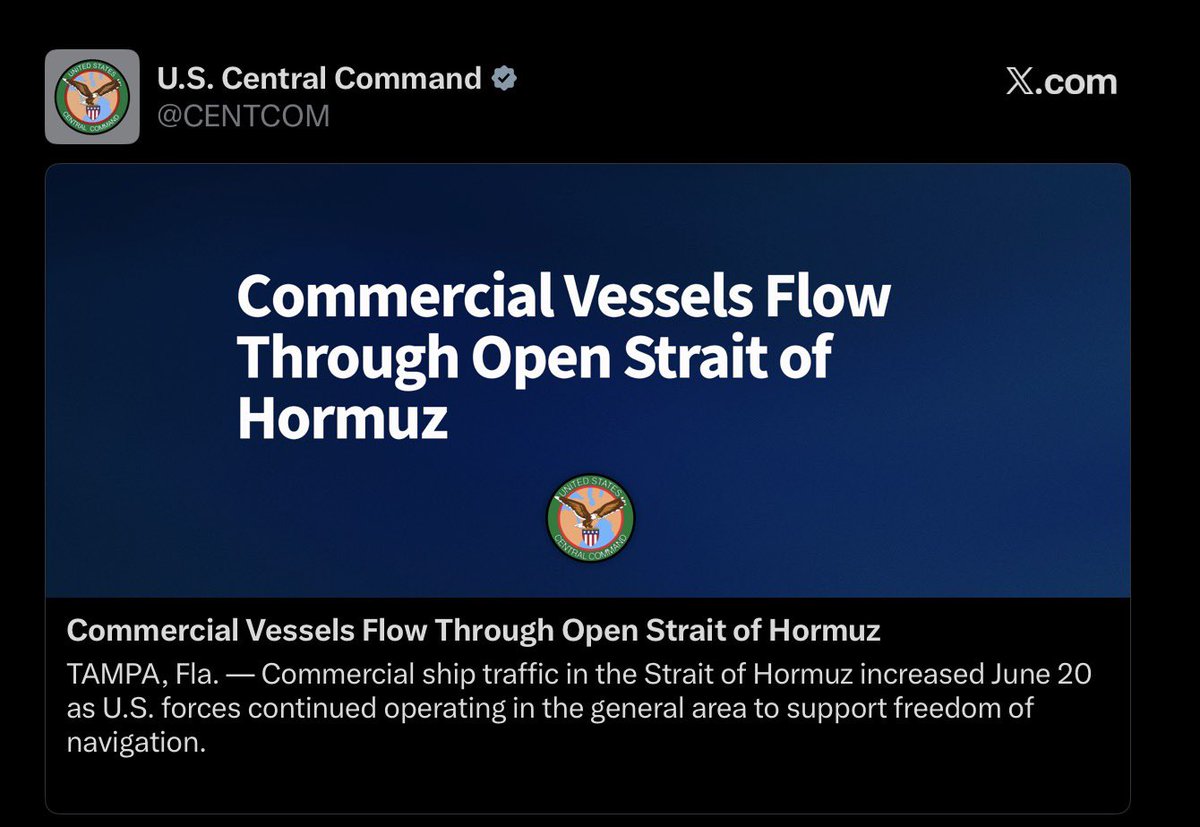
Right now, Iranian officials are publicly asserting that they have closed the Strait of Hormuz after accusing Israel of breaking a newly signed ceasefire by resuming strikes in Lebanon. The announcement, circulated through state-linked channels and amplified on social media within the past 24 hours, immediately sent oil-market algorithms into a tailspin and prompted emergency monitoring calls among U.S. Central Command, European energy ministries, and Gulf shipping authorities. At the same time, U.S. naval statements insist the vital waterway remains fully open, with dozens of tankers continuing their transits under American protection. The clash between Iran’s closure claim and Washington’s counter-statement is what is driving the topic’s sudden spike in online conversation and real-time risk pricing.
Common Perspectives
“This Is a Calculated Pressure Play, Not a Full Blockade”
Many analysts argue Tehran’s wording is deliberately ambiguous—aimed at rattling markets and extracting concessions in parallel nuclear and regional talks rather than enacting a total, sustained shutdown that would also punish Iran’s own oil customers in Asia.
“Washington’s Naval Presence Changes the Math”
A second strand of commentary stresses that the rapid U.S. declaration of open passage, backed by visible carrier-group movements, signals to both Iran and global shippers that any physical attempt to mine or obstruct the strait will meet direct military pushback, thereby lowering the odds of an immediate supply crisis.
“Energy Traders Are Pricing In a New Risk Premium”
Market desks from Singapore to Houston are treating the episode as an automatic 5–10 % geopolitical add-on to benchmark crude, regardless of whether the strait stays physically open, because repeated verbal threats alone are enough to keep volatility elevated.
“Fragile Diplomacy Could Still Salvage the Ceasefire”
European and Omani mediators see the next 48–72 hours as decisive: if back-channel talks scheduled in Switzerland produce even a partial Israeli stand-down in Lebanon, Iran may quietly walk back its closure language, allowing the episode to fade without kinetic escalation.
“Gulf Arab States Are Watching Their Own Exposure”
Saudi Arabia, the UAE, and Iraq—all of which route significant crude volumes through or near the strait—are quietly accelerating contingency plans to shift more oil east via the UAE’s Fujairah terminal and Saudi East–West pipelines, treating the episode as a rehearsal for longer-term rerouting strategies.
A Different View
Instead of viewing the strait simply as a chokepoint for crude, consider its role as a data artery: submarine fiber-optic cables and satellite links that piggy-back on the same coastal infrastructure now face the same political risk as the tankers above them. A prolonged standoff could therefore disrupt not only energy prices but also the low-latency connectivity that underpins Gulf financial markets and South-Asian cloud providers—an angle that has so far received little attention amid the oil-focused headlines.
Conclusion
The current Iran-Israel flashpoint over Lebanon has converted a long-standing geopolitical vulnerability into an immediate, real-time stress test for energy security, diplomatic off-ramps, and even digital infrastructure. How the next round of talks in Switzerland intersects with naval posturing in the Gulf will determine whether this week’s spike in rhetoric translates into lasting market pain or becomes another quickly forgotten warning shot.
Sources and discussion
These public posts were collected while researching this story. They provide context and reactions, but may not independently verify every claim.
View the original topic on XThe Truth Wire
@TheTruthWireX
Iran claims it has closed the Strait of Hormuz after accusing Israel of violating the ceasefire agreement signed earlier this week. Iranian officials say the decision was triggered by renewed Israeli strikes in Lebanon after a ceasefire had already been announced. The Strait of
Jun 20, 2026CONSTITUTIONAL PATRIOT🇺🇸
@ConstitustionX
🚨 BREAKING: THE STRAIT OF HORMUZ IS WIDE OPEN — AND AMERICA IS GUARANTEEING IT! 🚨 TAMPA, Fla. — While the world holds its breath and Iran screams threats, U.S. forces are standing strong in the most critical chokepoint on Earth. Today, 55 massive merchant ships sliced through
Jun 20, 2026Arnaud Mercier - #Entrepreneur #Versailles
@arnaudmercier
<p>Iran dealt two quick blows to the&nbsp;<a href=" agreement with the United States</a>&nbsp;on Saturday, angered by Israel&#8217;s continued attacks in Lebanon, saying it had closed the Strait of Hormuz again and announcing that while its
Jun 20, 2026Ernie Milleur
@ErnieMilleur
LIVE NEWS REPORT — SATURDAY, JUNE 20, 2026 1. U.S.–IRAN TALKS MOVE TOWARD SWITZERLAND U.S. and Iranian officials are moving toward talks in Switzerland after a fragile interim understanding meant to lower tensions around Iran’s nuclear program and regional fighting. Vice
Jun 20, 2026Habtamu Imiru
@HabtamuImiru
Source: Quds News Network Senator Jon Ossoff on the US-Israeli against Iran: “This is a disaster for American foreign policy, for the American economy, for American national security, and for the Trump presidency.”
Jun 20, 2026charels6343 zhang
@charels63430147
June 21, 2026: The Iran Conflict Based on President Trump’s current logic: 1) He has an extreme aversion to war. 2) He is highly sensitive to—and has a very low tolerance for—casualties resulting from war. 3) He would rather offend everyone than go to war and incur damage or
Jun 20, 2026