

UN Blacklisting Clash: Israeli Ambassador Confronts UN Official Over Children’s Rights Report
• From trending topic: UN Report Blacklisting Israel Over Alleged Violations Against Children
Summary
The current surge in online attention stems from a heated United Nations Security Council session in which Israel’s Ambassador Danny Danon interrupted proceedings to protest a new UN report that adds Israeli security forces to a list of actors alleged to have committed grave violations against children in conflict zones. The flashpoint occurred when the report’s lead author, UN official Vanessa Frazier, cut short Danon’s rebuttal; he responded by insisting, “You will be quiet because I am speaking now!” The exchange went viral after clips circulated showing Danon accusing the report of being a “smear campaign,” while supporters of the document argued it documents patterns of killing, injury, detention, and denial of humanitarian access affecting Palestinian children. The report itself frames its findings as “indicative” rather than exhaustive and references dozens of incidents, including allegations of sexual violence, but does not list individual dates or victims. The confrontation comes days after a separate UN annex noted sexual violence by Hamas on October 7, adding another layer to the already polarized debate inside and outside the chamber.
Common Perspectives
Israel’s Defenders See a Pattern of Institutional Bias
Many Israeli officials and their supporters argue that the report continues a long-standing practice of singling out the Jewish state while giving less scrutiny to armed groups such as Hamas, Hezbollah, and the Houthis. They point to the refusal of UN rapporteur Pramila Patten to meet with Israeli representatives to examine specific cases, and they highlight what they describe as the UN’s failure to hold non-state actors accountable for embedding military infrastructure near schools and hospitals in Gaza and southern Lebanon.
Report Advocates Emphasize Accountability for All Parties
Supporters of the UN listing maintain that states and non-state actors alike must face documentation when credible evidence emerges of harm to children. They stress that the report explicitly includes Hamas’s October 7 attacks, which involved sexual violence and the taking of child hostages, and argue that consistent standards require listing any armed force—Israeli or otherwise—found to have committed grave violations.
Free-Speech and Procedural Concerns Take Center Stage
A third strand of commentary focuses less on the substance of the allegations and more on the conduct of the session itself. Observers from different political backgrounds expressed discomfort with a UN official interrupting an ambassador mid-statement, while others criticized Danon’s raised voice as a breach of decorum. The episode has prompted renewed discussion about how the Security Council manages dissent and whether procedural fairness is applied evenly across member and observer states.
Questions Over Evidence Thresholds and Verification
Analysts and diplomats note that the report presents aggregate patterns rather than individually verified incidents, with limited identifying details released. Some governments and legal experts are calling for clearer methodologies so that listed parties can respond with concrete counter-evidence, while others argue that the indicative framing already signals the limits of what the UN can currently substantiate.
A Different View
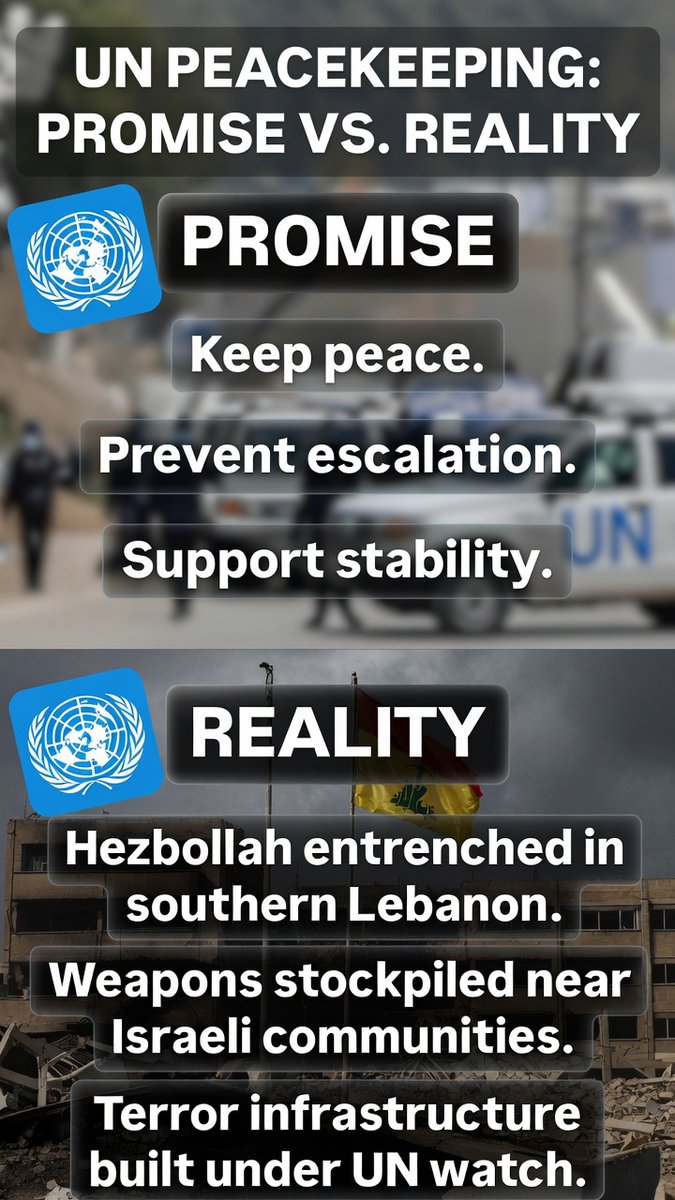
Rather than treating the confrontation as merely another chapter in the Israeli-Palestinian conflict, some observers are examining how the episode reflects broader shifts in UN working methods. With peacekeeping missions stretched thin—from southern Lebanon to the Red Sea—there is growing interest in whether public blacklisting can serve as an alternative lever of influence when traditional ceasefire-monitoring mechanisms stall. In this light, the report and the ensuing clash are less about any single incident and more about an institution experimenting with new tools of pressure in an era when conventional diplomacy is widely perceived as gridlocked.
Conclusion
The viral moment between Ambassador Danon and the UN rapporteur crystallizes competing visions of how international institutions should document—and respond to—harm inflicted on children in war zones. As the Security Council weighs next steps, the episode underscores that questions of evidence, procedure, and political will remain tightly intertwined, ensuring the issue will stay in the headlines far beyond a single council session.
Sources and discussion
These public posts were collected while researching this story. They provide context and reactions, but may not independently verify every claim.
View the original topic on XNewpost Africa
@NewpostAfrica
VIDEO REPORT: Israel’s UN Ambassador Danny Danon erupted during a council hearing after UN official Vanessa Frazier interrupted him while defending her report blacklisting Israel over alleged violations against children in conflict.
Jun 20, 2026GATEWAY XCHANGE
@Gatewayxchange_
@FoxNews Israeli UN Ambassador Danny Danon erupts at hearing, tells UN official to be quiet. Strong exchange over report blacklisting Israel. Tensions high.
Jun 20, 2026American Screed
@american_screed
Verbal food fight erupts at the UN. "You will be quiet because I am speaking now! You spoke, now I speak!" Israel throws up oral garbage + temper tantrum over UN report linking Israeli security forces to rape. Israeli Ambassador Danon called it a smear campaign against Israel.
Jun 20, 2026JayEnAar
@GorwayGlobal
The UN said its report (31 cases of sexual violence perpetrated by Israeli forces against Palestinians from Gaza and the West Bank) should be seen as "indicative of incidents and patterns" rather than comprehensive. As expected Israel said the UN was "spreading antisemitic lies".
Jun 20, 20261 likes1 repostsUSN Veteran/History Buff👩🎓🐈🐈🦋🌺🇺🇲🌊
@HubertTishia
Disgusting that you would let this man attack a UN member like this for a true report on what Israel has DONE TO CHILDREN!!!
Jun 20, 2026Aathol
@Choliazs
@dannydanon What a scam UN has become! How unfair to Israel not able to respond to a negative report while Frazier tries to silence Danon. No acknowledgement by UN for persistent attacks on Israel by Pal/Hamas, Leb/Hezbollah, Yemen/Houthis n of course Iran. UN is too biased to govern world.
Jun 20, 2026