

Iran Strikes Escalate Middle East Tensions: Oil Prices Surge as Markets Reel from US-Israel Coordinated Attacks
• From trending topic: Iran Strikes and Middle East Conflict Impact on Oil Markets
Summary
The trending topic "Iran Strikes and Middle East Conflict Impact on Oil Markets" exploded on X following reports of coordinated US and Israeli strikes on Iranian targets, with Tehran issuing swift retaliation. This escalation, described in real-time X posts as a direct response by the Trump administration to ongoing threats, has triggered immediate market volatility. Oil prices—specifically Brent crude—are spiking sharply due to fears of disruptions in the Strait of Hormuz, through which 20-30% of global oil supplies pass. Airlines stocks are plummeting on expectations of soaring fuel costs, while bonds are behaving unexpectedly by defying traditional safe-haven rallies. Markets are bracing for opening bells with analysts predicting a 20-30% oil surge if the conflict prolongs, potentially rippling into broader economic strain worldwide. This specific sequence of strikes and counterstrikes today has dominated discussions, amplified by viral threads like "Markets after Iran strikes: oil surges, airlines sink," making it a top-trending topic as traders and investors react in real time.
Common Perspectives
Oil Supply Shock Inevitable
Many on X emphasize the direct risk to global oil flows, pointing to the Strait of Hormuz as a chokepoint. Users predict Brent crude could jump dramatically, with one post noting "oil surges" as the immediate reaction to potential supply disruptions from the strikes.
Airlines Face Crushing Fuel Costs
A prevalent view highlights the downside for aviation, with airline stocks sinking due to higher fuel expenses. Posts like "↓ AIRLINE STOCKS Higher fuel costs and potential" capture the sentiment that prolonged conflict will erode profits across the sector.
Broader Economic Fallout Looms
Several discussions warn of global recession risks if tensions drag on, with the US-Israel strikes and Iran's response seen as a catalyst for wider instability. Threads stress that "a prolonged conflict could hit the global economy," urging caution among investors.
Bonds Break the Safe-Haven Mold
Observers note an unusual market dynamic where bonds aren't rallying as typical safe-havens. X updates like "bonds defy safe-haven playbook" reflect surprise at this divergence amid the oil spike and equity drops.
Geopolitical Escalation Drives Volatility
A common thread frames the strikes as a Trump-era escalation reshaping markets, with hashtags like #IranStrikes and #OilPrices trending. Users see this as the spark for short-term surges but long-term uncertainty.
A Different View
While most focus on immediate oil spikes and airline pain, a less-discussed angle is the potential boost to alternative energy investments. The strikes could accelerate capital flight from fossil fuels toward renewables like solar and battery tech in regions less exposed to Middle East risks—such as US shale producers pivoting to LNG exports or Europe fast-tracking green infrastructure. This "conflict premium" might quietly supercharge the energy transition, rewarding investors in non-OPEC plays overlooked in the panic.
Conclusion
As US-Israel strikes on Iran propel oil markets into turmoil, the world watches a high-stakes chess game with fuel prices, stocks, and economies hanging in the balance. Trending X chatter underscores the raw market nerves, but the true test lies in whether this flashpoint de-escalates or ignites a sustained crisis—shaping everything from your next gas pump visit to boardroom strategies globally. Stay tuned to The NOW Times for live updates.
Sources and discussion
These public posts were collected while researching this story. They provide context and reactions, but may not independently verify every claim.
View the original topic on XSistine Research
@sistineresearch
[SISTINE] Markets after Iran strikes: oil surges, airlines sink, bonds defy safe-haven playbook Expected Market Impact: ↑ CRUDE OIL Direct supply disruption risk from Middle East conflict, typical oil price spike reaction ↓ AIRLINE STOCKS Higher fuel costs and potential
Mar 2, 20263 likesDivine Cash Flow
@Divine_CashFlow
Geopolitical Impact on Markets Focus: How the Iran conflict is moving markets. 🌍 MIDDLE EAST CONFLICT: MARKET IMPACT UPDATE The US-Israel strikes on Iran and Tehran's retaliation are reshaping markets. 🛢️ Oil: · Brent spiking as Strait of Hormuz faces disruption · 20-30% of
Mar 2, 2026GMA Integrated News
@gmanews
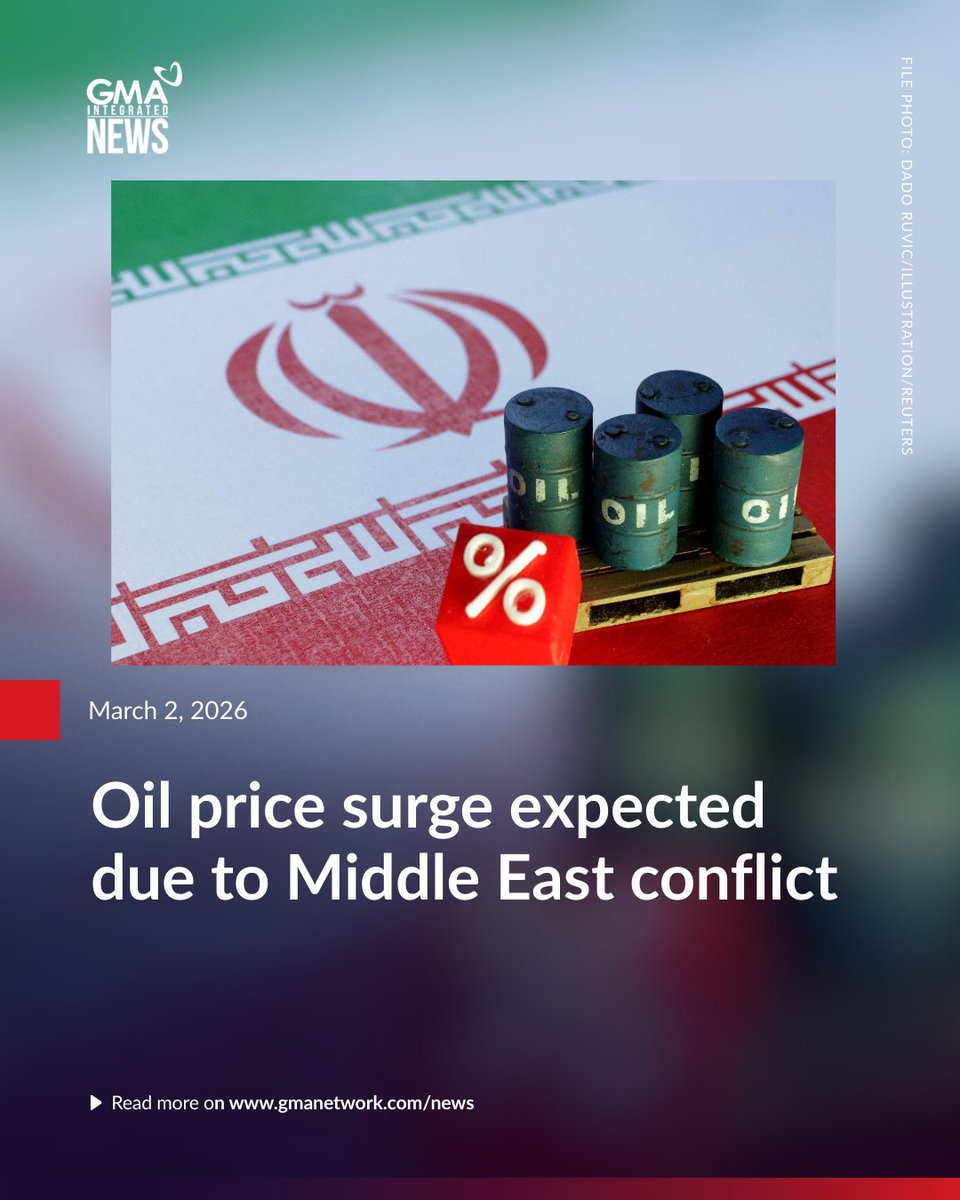
US and Israeli strikes against Iran and the repercussions in the Middle East are expected to send oil prices soaring when markets open, and a prolonged conflict could hit the global economy. Read more:
Mar 1, 20261 repostsGMA Integrated News
@gmanews
US and Israeli strikes against Iran and the repercussions in the Middle East are expected to send oil prices soaring when markets open, and a prolonged conflict could hit the global economy. Read more:
Mar 1, 20261 repostsMoney-mos84
@MMos8460322
🚀🚀 Morning Brief 🚀🚀 🚀 IMPORTANT: US and Israel launch coordinated strikes on Iran targets, escalating Middle East conflict as Trump administration responds to threats, oil prices surge and markets brace for broader impact. 🌐 #MiddleEast #IranStrikes #OilPrices
Mar 1, 2026