

Japan Signals Potential Diplomatic Shift Over Israel-Iran Tensions
• From trending topic: Japan Boycotts Diplomatic Relations with Israel Over Potential Iran Attack
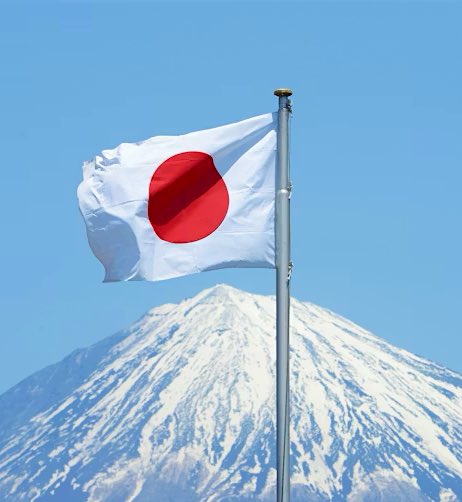
Summary
Social media platforms are currently circulating reports that Japan has warned it will suspend diplomatic relations with Israel if Tokyo determines that an Israeli strike on Iran would breach international law. Multiple posts on X, each gaining hundreds of likes within hours, quote Japanese officials as saying any military action against Iran “now” would trigger an immediate boycott of bilateral ties. The rapid spread of these statements coincides with heightened speculation that Israel may be preparing to respond to recent Iranian activities, pushing the issue into trending conversations worldwide. Observers note that the timing—amid ongoing regional military posturing—has turned a conditional diplomatic warning into an immediate talking point, prompting analysts and the public alike to reassess how such a move by Japan could recalibrate alliances in the Middle East and East Asia simultaneously.
Common Perspectives
A Principled Stand for International Norms
Supporters argue that Japan’s reported stance reinforces the post-World War II emphasis on multilateral rules and non-aggression. In this view, Tokyo is leveraging its economic and diplomatic weight to deter unilateral military action, signaling that even close security partners will face consequences if they bypass UN frameworks. Proponents say this could encourage other capitals to articulate clearer red lines before conflict erupts.
Strategic Balancing Between Energy Security and Alliance Commitments
Critics contend that Japan’s heavy reliance on Middle Eastern oil and gas makes any threat to cut ties with Israel a calculated risk. From this angle, Tokyo is attempting to preserve stable energy flows by appearing neutral, while still maintaining quiet security cooperation with the United States and other allies who back Israel. Observers highlight how the reported warning allows Japan to hedge: it projects diplomatic independence without necessarily following through if an actual strike occurs.
Domestic Political Messaging in an Election Season
Some analysts point to Japan’s internal political calendar, suggesting that public statements distancing Tokyo from military escalation resonate with voters wary of overseas entanglements. By foregrounding adherence to international law, the government may be seeking to consolidate support among younger and centrist constituencies ahead of upcoming parliamentary votes, turning foreign policy into a domestic asset.
Ripple Effects on U.S.-Led Security Architecture
Another perspective focuses on how Japan’s position could subtly complicate Washington’s regional strategy. If Tokyo withholds diplomatic cover, it may narrow the coalition willing to endorse or quietly support Israeli operations, potentially lengthening the timeline for any coordinated response. Commentators note that such a development would test how tightly U.S. allies in Asia are willing to align with American positions on Middle East contingencies.
A Different View
Rather than viewing the reported Japanese warning solely through the lens of Middle East security, some observers are examining its consequences for emerging technology supply chains. Japan is a key supplier of specialty chemicals and semiconductor materials; any cooling of diplomatic relations could introduce licensing delays or informal export scrutiny on dual-use items bound for Israeli tech firms. In this light, the diplomatic signal doubles as an early stress test for whether political friction can disrupt tightly integrated Asian tech ecosystems that extend far beyond traditional defense considerations.
Conclusion
The swift circulation of Japan’s conditional diplomatic threat illustrates how quickly economic interdependence, alliance politics, and social-media amplification can converge into a single trending narrative. While the ultimate decision on any Israeli action remains pending, the conversation now encompasses not just regional stability but also energy markets, domestic electoral calculations, and the resilience of global technology flows.
Sources and discussion
These public posts were collected while researching this story. They provide context and reactions, but may not independently verify every claim.
View the original topic on XMega-Politics
@_MegaPolitics
Breaking: Japan says it will boycott all diplomatic relations with Israel if it violates international law by attacking Iran now
May 30, 2026680 likes250 repostsMojtaba Khamenei Commentary
@MojtabaKhamen
Breaking: - Japan Boycott Israel Japan says it will boycott all diplomatic relations with Israel if it violates international law by attacking Iran now
May 31, 2026304 likes81 repostsMiddleEast Live
@MeLive007
Breaking: Japan says it will boycott all diplomatic relations with Israel if it violates international law by attacking Iran now
May 30, 202658 likes26 repostsRealWestern
@RealWestern2003
Japan says it will boycott all diplomatic relations with Israel if Israel now violates international law by attacking Iran. #facebookpostシ #viralpost2026 #inspiration #BREAKING
May 31, 202638 likes7 repostsGboy
@Gboysyl
🚨 Breaking News: Israel has announced that it is preparing for potential military conflict with Egypt and Turkey. This development raises significant concerns for regional stability and international relations. We will continue to monitor the situation closely. #Israel #Egypt
May 28, 2026Joe | Financially Retired at 27
@SelfSuccessSaga
@BRICSinfo this is brutal news politically and diplomatically, and headlines will hit sentiment immediately Israel joining a sexual violence blacklist complicates international relations heavily markets rarely move directly on this, but risk sentiment and regional investments could feel
May 29, 2026