

US and Israeli Strikes on Iran Spark Global Firestorm: Leadership Losses, Retaliations, and International Backlash
• From trending topic: US and Israeli strikes on Iran
Summary
The topic "US and Israeli strikes on Iran" is exploding on social media platforms like X due to a dramatic escalation in the past 24-48 hours, centered on massive U.S.-Israeli airstrikes targeting key Iranian sites including Tehran, Shiraz, Khorramabad, Kermanshah, Dorud, Ahvaz, and Urmia. A pivotal strike flattened the Assembly of Experts building in Qom during a critical meeting to select a successor to the slain Supreme Leader Ayatollah Ali Khamenei, severely disrupting Iran's regime succession process and leadership core. This has triggered immediate Iranian retaliation, including a drone strike on the U.S. consulate in Dubai and ballistic missile barrages toward central Israel, with footage circulating of intercepts, impacts, and smoke plumes over cities like Tel Aviv. The strikes follow failed U.S.-Iran negotiations, reportedly green-lit by Trump, amid U.S. assertions of air dominance over Iran after European allies like Spain and Italy denied base access, prompting U.S. punitive tariffs. Global reactions are pouring in, with Canada expressing regretful support, Belgium decrying the actions as illegal under international law, China issuing stern warnings to halt strikes, and North Korea condemning them as aggression. This real-time chain of events—strikes, leadership decapitation, counterattacks, and diplomatic fallout—has fueled viral discussions, video shares, and debates, propelling the topic to trend status as the world watches for further escalation.
Common Perspectives
Strategic Victory for U.S. and Israel
Many view the strikes as a decisive blow against Iran's nuclear ambitions and leadership, highlighting U.S.-Israeli air superiority, the crippling of succession plans in Qom, and multi-city targeting as evidence of effective deterrence. Supporters, including Canadian statements on alignment for non-proliferation and security, frame it as necessary to prevent broader threats.
Illegal Aggression Violating International Norms
Critics, such as Belgium's official stance, argue the strikes breach international law, with China's Foreign Minister Wang Yi warning they risk dragging the region into chaos and North Korea labeling them outright aggression. This perspective emphasizes the unprovoked nature and potential for wider conflict.
Reluctant Allied Support Amid Escalation Fears
Canada's position, voiced with regret by Carney and tied to strategic alliances, reflects a common view among some Western partners: backing U.S.-Israeli actions prioritizes security but carries heavy risks, especially after Iran's rapid drone strike on the Dubai consulate and missile retaliation toward Israel.
Iranian Resilience and Righteous Retaliation
Pro-Iran voices celebrate the drone attack on the U.S. consulate and missile barrages as justified responses, sharing footage of Israeli intercepts and impacts to portray strength. They depict the strikes as terrorist acts by Israel and the U.S., rallying around hashtags like #longliveiran.
European Pushback and Economic Repercussions
Tensions with Spain and Italy over base denials, met with U.S. "punitive tariffs," underscore a perspective of fracturing NATO-like unity, where European nations prioritize sovereignty and de-escalation over involvement in what they see as a U.S.-driven conflict.
A Different View
While the focus remains on military tit-for-tat and diplomatic finger-pointing, an overlooked angle is the strikes' potential to inadvertently accelerate Iran's nuclear program underground. With surface leadership and infrastructure hit, surviving regime elements—unconstrained by the flattened Assembly of Experts—could pivot to hardened, covert facilities, drawing in opportunistic suppliers beyond public North Korean condemnations. This "phoenix effect" might unify fragmented Iranian hardliners faster than succession debates ever could, turning short-term U.S.-Israeli gains into a long-game catalyst for proliferation, as historical parallels like post-Saddam Iraq suggest resilient networks thrive in decapitation scenarios.
Conclusion
As U.S.-Israeli strikes reshape Iran's power structure and ignite retaliatory fire across the Middle East, the trending discourse reveals a world deeply divided—between security hawks, legal purists, and retaliation advocates—yet united in bracing for what comes next. With air dominance asserted but counterstrikes underway, the coming hours could redefine regional alliances and global stability.
Sources and discussion
These public posts were collected while researching this story. They provide context and reactions, but may not independently verify every claim.
View the original topic on XThe Alan Sanders Show 🇺🇸⚓️🐕
@AlanJSanders
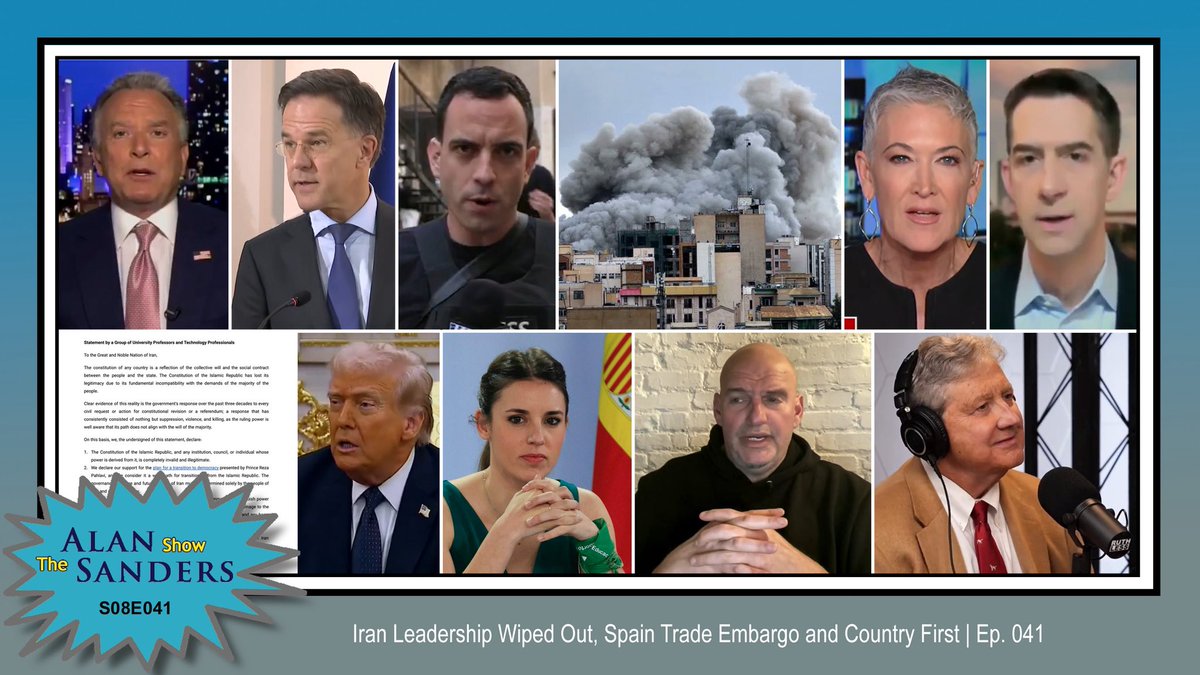
In a stunning escalation, Israeli and U.S. strikes have wiped out Iran's leadership core: The Assembly of Experts building in Qom was flattened during a meeting to select a successor to slain Supreme Leader Ayatollah Ali Khamenei, crippling the regime's succession process and
Mar 3, 20265 likes5 repostsGlobe Politics
@globepolitics
Carney says Ottawa’s position supporting U.S., Israeli strikes on Iran was taken with regret
Mar 3, 20265 likes2 repostsConflict Alarm
@ConflictAlarm
BREAKING: Massive U.S.-Israeli airstrikes across Iran tonight - strikes reported in Tehran, Shiraz, Khorramabad, Kermanshah, Dorud, Ahvaz, and Urmia.
Mar 3, 20264 likesJulian Garcia #RaiseTheRate
@JulianGarcia40
@DaveKeating Belgium “US and Israeli strikes on Iran are illegal and violate international law.”
Mar 3, 20263 likesCollaborate🍁Rights 🏳️🌈 🇮🇱🇺🇦 🇪🇺🇺🇳🇮🇷
@CHPSRE
#IranConflict Analysis Statement on Canada Position Canada’s support for U.S.–Israeli strikes on Iran reflects strategic alignment with key allies and a prioritization of security concerns, particularly nuclear non-proliferation.
Mar 3, 20261 repostsCryptonia
@Picryptonia
🚨Breaking; Iran drone just strike the U.S consulate a while ago in Dubai, no injuries currently reported by the Dubai’s Media offices, this is part of Iran’s ongoing retaliation after the Israeli/U.S strikes earlier in iran.
Mar 3, 20261 likes