

US-Iran Conflict: Surging Fuel Prices and Economic Ripples Across Nigeria
• From trending topic: US-Iran Conflict Impact on Economy
Summary
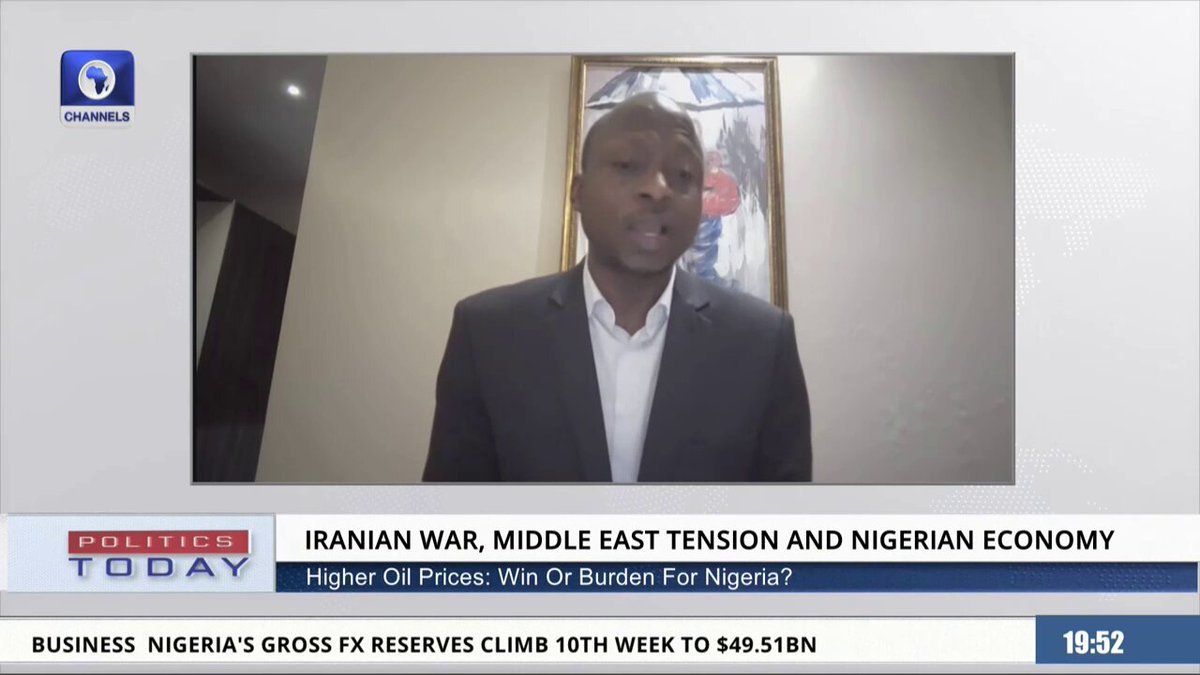
The topic "US-Iran Conflict Impact on Economy" is exploding on X right now due to fresh warnings from Nigerian economist Paul Alaje, Partner at SPM Professionals, who appeared on #PoliticsToday to break down how escalating US-Iran tensions are directly hammering Nigeria's economy—especially fuel prices. Alaje highlighted the critical role of local infrastructure like the Dangote Refinery in buffering the blow, sparking viral posts like "Imagine we don't have Dangote refinery in Nigeria. Do you know what the prices will be?" (racking up widespread engagement). This comes amid recent US airstrikes on Iran-backed targets and Iran's retaliatory threats in the Middle East, which have spiked global oil prices by over 5% in the past week alone. For oil-import-dependent Nigeria, where fuel subsidies were recently scrapped, these shocks mean immediate hikes at the pump—petrol prices have jumped from ₦600 to over ₦700 per liter in days—fueling transport costs, inflation fears, and naira volatility. The trend is peaking today as Nigerians connect the dots between distant geopolitics and their daily wallets, with Alaje's interview amplifying concerns over food prices, business margins, and potential economic contraction if tensions persist.
Common Perspectives
Fuel Price Nightmare Without Local Refineries
Many X users and commentators, echoing Paul Alaje, argue that Nigeria dodged a total catastrophe thanks to the Dangote Refinery's recent ramp-up to full capacity. They point out that without it, imported fuel costs—already strained by global oil spikes from US-Iran friction—would skyrocket, pushing petrol to ₦1,000+ per liter and crippling transport-dependent sectors like agriculture and logistics.
Inflation Trigger for Everyday Nigerians
A dominant view frames the conflict as an inflation bomb, with rising crude prices (Brent at $75/barrel post-tensions) set to inflate food and goods prices by 20-30%. Voices on X worry this hits low-income households hardest, eroding purchasing power amid Nigeria's 34% inflation rate, and call for urgent government interventions like refinery subsidies.
Broader Economic Slowdown Risk
Economists and business leaders like Alaje warn of ripple effects beyond fuel: higher import bills weakening the naira (already down 5% this week), reduced foreign investment, and slower GDP growth projected at under 3% for the year. Perspectives here emphasize Nigeria's vulnerability as an oil exporter when global supply fears drive volatility.
Geopolitical Opportunity for Oil Exporters
Some optimistic takes see upside for Nigeria as an OPEC member, with conflict-driven oil price surges potentially boosting export revenues by billions if production holds steady. This view highlights how US-Iran strains could refill government coffers strained by subsidy removal.
Call for Energy Independence
A growing sentiment demands accelerating domestic refining and renewable shifts to insulate against such foreign conflicts, praising Dangote as a model while criticizing past reliance on imports from volatile regions.
A Different View
While most focus on immediate fuel pain and oil price swings, a less-discussed angle is the hidden boost to Nigeria's budding green energy sector. US-Iran tensions are accelerating global pushes for energy diversification, drawing investor interest to Nigeria's untapped solar and wind potential—already home to Africa's largest solar farm in the north. With fuel hikes making diesel generators costlier for off-grid businesses (80% of power needs), this could fast-track hybrid solutions, creating jobs in renewables and positioning Nigeria as an African energy innovator rather than just an oil victim. Investors like those from the UAE are eyeing $10B+ in projects, turning geopolitical pain into a pivot toward sustainable growth most analysts overlook.
Conclusion
As US-Iran shadows lengthen over global oil markets, Nigeria stands at a crossroads: immediate economic squeezes from Paul Alaje's spotlighted warnings underscore vulnerability, yet they spotlight homegrown assets like Dangote and untapped green opportunities. The X buzz reflects real fears and hopes, urging policymakers to balance short-term relief with long-term resilience in this high-stakes energy game.
Sources and discussion
These public posts were collected while researching this story. They provide context and reactions, but may not independently verify every claim.
View the original topic on X