

Iran Drone Strikes Kuwait Airport Escalate Middle East Tensions Amid US-Iran Oil Tanker Dispute
• From trending topic: Iran Launches Drone Strikes on Kuwait International Airport
Summary
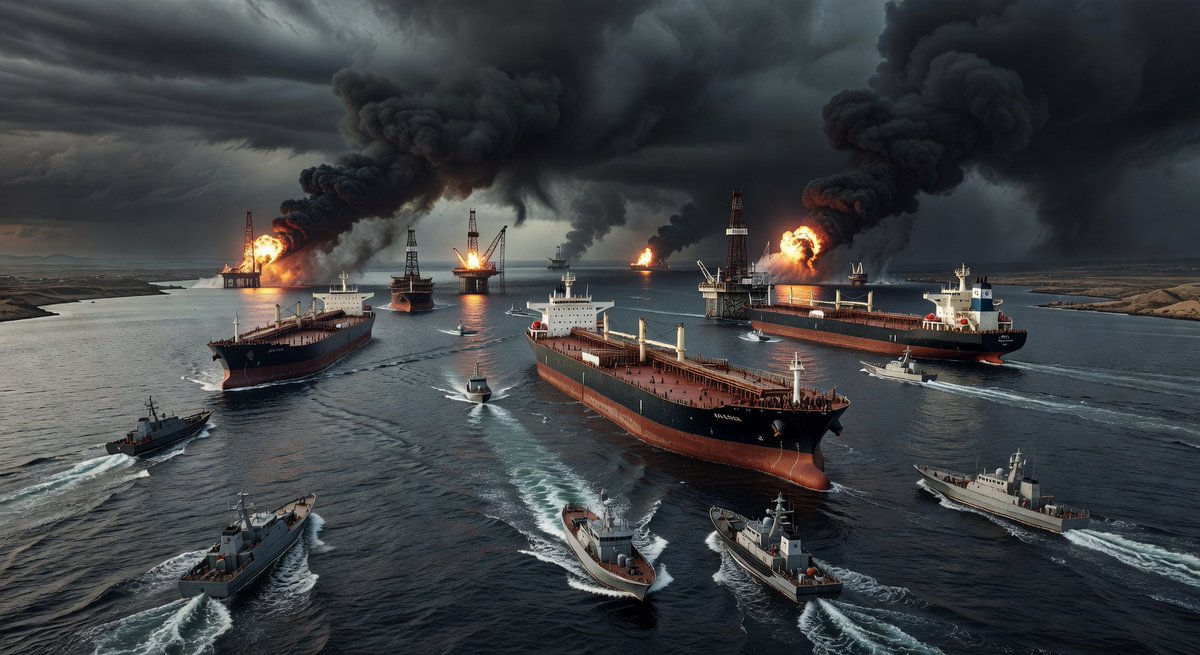
Right now the topic is trending because of a rapidly unfolding escalation in the Gulf: Iran has launched a series of drone strikes on Kuwait International Airport, killing one person and injuring dozens. According to the latest posts circulating on X, Tehran is framing the attack as direct retaliation for earlier US strikes on an Iranian oil tanker and a strategic island. The timing is critical—markets are already live pricing geopolitical risk, and the US House has just passed an Iran War Powers Resolution aimed at limiting further military escalation. Traders, diplomats, and social-media users are all watching to see whether this single airport strike becomes the spark for a wider confrontation or stays contained within the current cycle of tanker and island reprisals.
Common Perspectives
Retaliation Was Justified
Many observers argue that once the US targeted Iranian maritime assets, Tehran had little choice but to respond symmetrically, viewing the airport strike as a calibrated signal rather than an open-ended act of war.
Kuwait Was an Unwarranted Target
Another vocal group insists the airport assault crossed a red line by striking civilian infrastructure in a third country, shifting the conflict from a US-Iran bilateral issue into a broader Gulf-security crisis that could draw in additional regional players.
Markets Are Over-Reacting
Financial commentators on X point out that oil-price futures and war-risk premiums have already surged, yet historical patterns suggest such flare-ups often subside once both sides have demonstrated resolve, implying the economic panic may be premature.
Legislative Pushback Could Constrain Further US Action
With the House’s newly passed War Powers Resolution in place, some analysts believe Congress has inserted a procedural brake that will make any immediate American military follow-up politically riskier, potentially giving diplomacy a short window to regain traction.
A Different View
Rather than viewing the airport attack solely through the lens of state-to-state retaliation, consider how the strike functions as a real-time test of drone-supply chains: the same unmanned systems now hitting Kuwaiti runways were originally developed for long-duration surveillance over the Strait of Hormuz. By repurposing these assets for a high-visibility civilian target, Iran may be sending a message not only to Washington but also to commercial shippers and airlines—namely, that any future insurance models or routing algorithms must now price in the risk of low-cost, long-range drone harassment at regional hubs, not just at sea.
Conclusion
The Kuwait airport incident crystallizes a fast-moving feedback loop: a maritime clash triggers an aviation strike, which in turn forces legislative, market, and diplomatic reactions within hours. How the next 48 hours unfold—whether through quiet back-channel talks or additional symbolic strikes—will determine whether this episode remains a limited exchange or expands into a sustained regional crisis.
Sources and discussion
These public posts were collected while researching this story. They provide context and reactions, but may not independently verify every claim.
View the original topic on X0xzx
@0xzxcom
🌍 WORLD NEWS DIGEST 📅 June 4, 2026 · 02:00–08:00 UTC ⚔️ MIDDLE EAST CRISIS • Iran launches drone strikes on Kuwait International Airport — 1 killed, dozens injured. Iran claims the attack is retaliation for earlier US strikes on an Iranian oil tanker and island, marking a
Jun 4, 2026$𝐊𝐘𝐑𝐔𝐍
@Michael_SKRTV
Right now, traders are actively pricing outcomes for global conflicts, international elections, economic decisions, and major sporting events. Markets are already live for geopolitical developments, the Seoul Mayoral Election, and numerous breaking news stories unfolding around
Jun 4, 202642 likes1 repostsMichael Every
@TheMichaelEvery
2026, day 155 Good morning from Chicago. ‘Iran Says No Progress in US Talks as Lebanon Sees More Clashes’ (BBG); ‘Lebanon ceasefire raises hopes of progress for Iran deal’ (Reuters); ‘Trump Tells Aides He Won’t Resume All-Out War With Iran Unless U.S. Troops Are Killed’
Jun 4, 20264 likes2 repostsLAFZ DIGITAL
@LafzDigital
US House Approves Iran War Powers Resolution The United States House of Representatives has passed a resolution related to restricting or pausing military escalation with Iran, marking a significant legislative move on foreign policy. The measure reportedly passed with 215 votes
Jun 4, 2026James“JiggyJaguar “Lowe-✈️ xbiz miami may 2026
@jiggyjaguar
🌎 Current Events Special Edition – June 2, 2026 Join Jiggy Jaguar and an expert panel featuring Frank Vernuccio, IQ Al Rassooli, and Roger Homefield as they examine the latest developments shaping the world stage. This wide-ranging discussion covers international affairs,
Jun 4, 2026