

US Military Buildup in Middle East Intensifies as Trump Signals Potential Action Against Iran
• From trending topic: US beefs up military in Middle East amid Trump threats against Iran
Summary
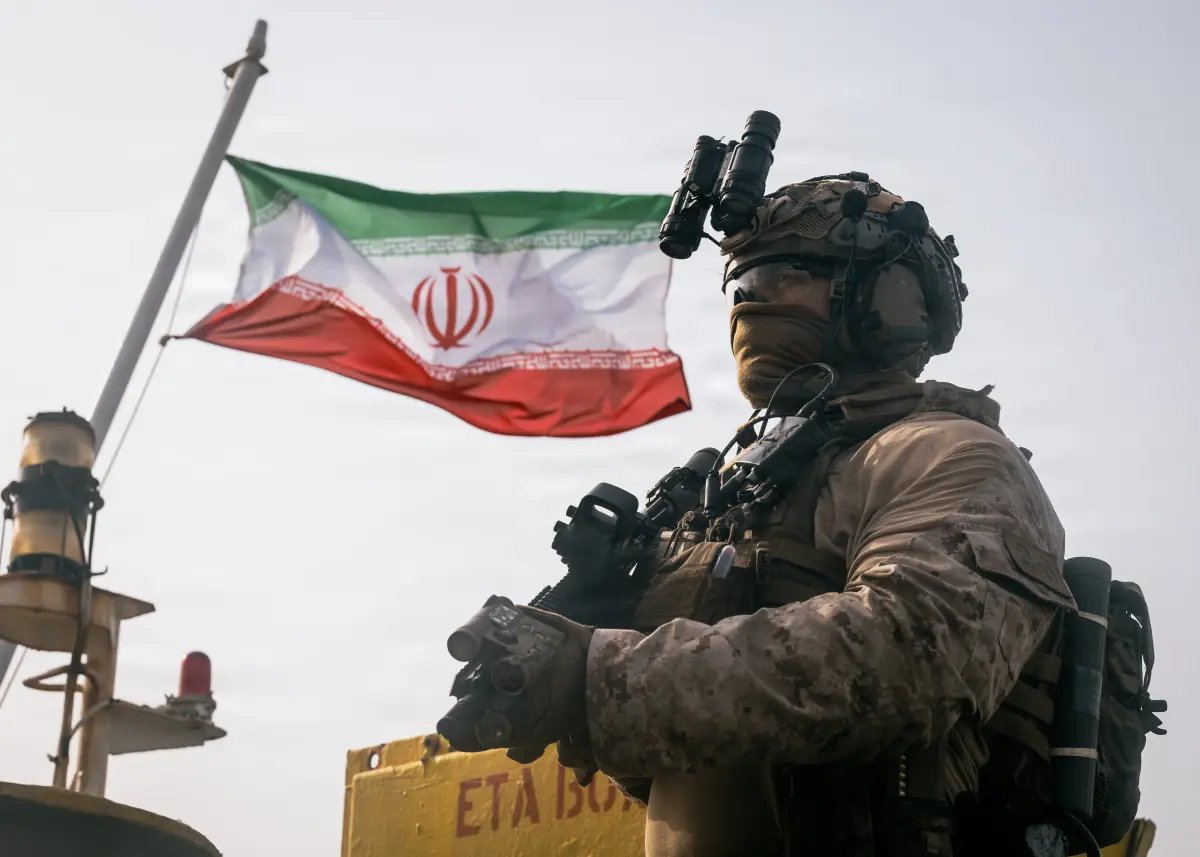
The current spike in attention stems from a July 23, 2026 New York Post report citing U.S. officials who confirmed an accelerated deployment of additional naval, air, and missile-defense assets to the Gulf region. At the same time, former President Donald Trump—speaking on his Truth Social platform—said he is “weighing a massive attack” on Iran in response to what he described as “unprecedented provocations.” These twin developments have driven the topic to trend globally on X within the past 48 hours, prompting real-time commentary from regional governments, defense analysts, and financial markets. The combination of visible force movements and Trump’s explicit threat language has created the perception that a decision point may be approaching faster than previously anticipated.
Common Perspectives
Heightened Deterrence Is Necessary
Supporters of the buildup argue that Iran’s recent precision-strike tests—widely covered by Iranian state media—have demonstrated the ability to overwhelm existing U.S. air-defense networks across West Asia. They contend that visible U.S. reinforcements signal resolve and reduce the chance that Tehran will miscalculate Washington’s willingness to respond.
Rhetoric Risks Escalation Spiral
Critics on Capitol Hill and within allied capitals warn that Trump’s public weighing of “massive” strikes removes diplomatic off-ramps. They point to concurrent diplomatic outreach by Iran’s Foreign Minister Abbas Araghchi at the Shanghai Cooperation Organization summit in Kazakhstan, where Beijing publicly reaffirmed strategic partnership with Tehran, as evidence that an overt U.S. attack could push Iran deeper into alignment with U.S. competitors.
Markets Already Pricing In Disruption
Energy traders have driven Brent crude above $92 a barrel on the mere possibility of supply-chain interruptions, while defense contractors with major Gulf contracts have seen pre-market gains. This perspective frames the story less as imminent conflict and more as another volatility event for portfolios already navigating AI capex concerns and merger scrutiny.
Regional Capitals Hedge Their Bets
Gulf Arab states, while publicly silent, have quietly stepped up coordination with U.S. Central Command, according to two officials familiar with the planning. At the same time, Oman and Qatar—traditional back-channel hosts—are fielding inquiries from both Washington and Tehran, illustrating how smaller actors maneuver to preserve mediation roles even as larger powers posture.
A Different View
Rather than viewing the deployments solely through the lens of U.S.–Iran confrontation, some supply-chain analysts are tracking the secondary impact on global shipping insurance rates. If the Strait of Hormuz risk premium climbs another 15–20 basis points, the cost increment would ripple through LNG spot prices in Northeast Asia faster than any formal sanction regime, effectively acting as a stealth tax on economies thousands of miles from the theater.
Conclusion
The trending conversation is less about abstract geopolitical theory and more about the immediacy of force movements coinciding with unambiguous presidential rhetoric. Observers are now watching two clocks: the deployment timetable of U.S. carrier and bomber rotations, and the cadence of statements from Trump’s campaign, which continues to shape expectations even though he is not currently in office.
Sources and discussion
These public posts were collected while researching this story. They provide context and reactions, but may not independently verify every claim.
View the original topic on XPierre F. Lherisson
@P_F_Lherisson_
Saturday 25 July 2026.🔺⚙️🛠️🔺🌐 The World Clock — Worldwide Source: nypost*com US beefs up military might in Middle East as Trump says he’s weighing ‘massive attack’ on Iran By Caitlin Doornbos Published July 23, 2026 Trump Vows Iran Will ‘Pay a Big
Jul 25, 20261 likesCBS News
@CBSNews
Ontario Premier Doug Ford responded to President Trump criticizing Canada over the opening of the Gordie Howe International Bridge on Truth Social, saying the project will create jobs on both sides of the border and that Trump is straining U.S.-Canada relations with tariffs. "We
Jul 24, 2026165 likes47 repostsMiddle East Observer
@ME_Observer_
⚡️⭕️ Iran: Foreign Minister Abbas Araghchi met with Chinese counterpart Wang Yi at Shanghai Cooperation Organization meeting in Kazakhstan; both sides emphasized strategic partnership between Tehran and Beijing and discussed bilateral relations, regional and international
Jul 25, 202697 likes19 repostsFinancialJuice
@financialjuice
Meeting between the Foreign Ministers of Iran and Pakistan focused on bilateral relations between Iran and Pakistan, as well as regional and international developments - Tasnim News
Jul 24, 202625 likes7 repostsForward Observer
@fowatchfloor
Venezuela has announced it will be withdrawing from the International Criminal Court (ICC), citing its "bias" against the Global South, according to AL JAZEERA. Foreign Minister Felix Plasencia said today that Venezuela has notified the UN of its decision to withdraw from the
Jul 24, 202611 likes4 repostsBrainless Partisans 🏴☠️☢️☣️🪆
@BPartisans
🇺🇸🧢 Trump or the Art of the Slogan That Stumbles Over Reality By @BPartisans Donald Trump possesses a rare talent: turning a press conference into an improv competition. His latest outburst deserves a place in the hall of fame of the most baffling statements. According to him,
Jul 25, 20263 likes