

UN Spokesperson Responds to Delhi Protests as CJP Demonstrations Continue
• From trending topic: UN reacts to CJP protests in Delhi
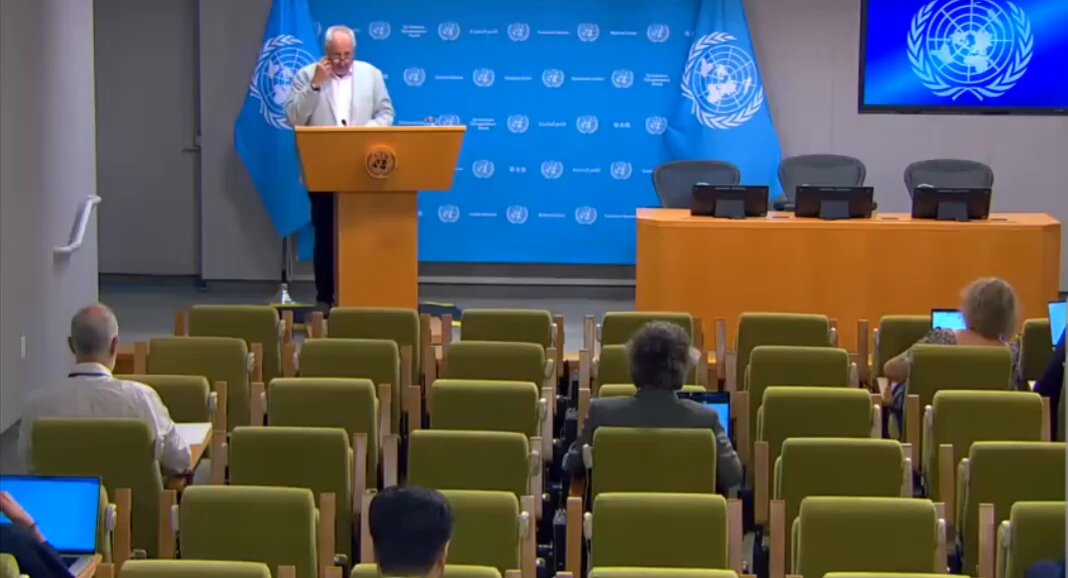
Summary
The topic is trending today because UN Spokesperson Stéphane Dujarric issued a direct statement during a press briefing in response to questions about ongoing protests in Delhi involving the Citizens for Justice and Peace (CJP) group. His remarks came after recent demonstrations in India's capital that have drawn international attention, with the UN emphasizing the importance of allowing peaceful protests without fear of harassment, arrest, or injury. The statement has sparked widespread discussion on social media platforms, particularly on X (formerly Twitter), where users are sharing and analyzing the UN's position on the Delhi demonstrations. The immediate trigger appears to be Dujarric's specific wording that peaceful protest should occur "without the fear of harassment, the fear of arrest, or the fear of injury," which has resonated with observers following the CJP protests and their aftermath.
Common Perspectives
UN Statement as Standard Diplomatic Response
Many view the UN spokesperson's comments as a routine diplomatic statement that aligns with the organization's standard position on the right to peaceful assembly. This perspective sees the remarks as consistent with the UN's established advocacy for civil liberties worldwide, rather than a targeted criticism of any specific government or situation.
International Attention on Indian Domestic Protests
Some observers interpret the UN's response as significant international scrutiny of India's handling of domestic protests, suggesting that the CJP demonstrations have reached a level of visibility that warrants attention from global institutions. This view emphasizes the potential implications for India's international image and diplomatic relations.
Emphasis on Peaceful Protest Rights
Another perspective focuses on the UN's specific emphasis on protecting peaceful protesters from harassment, arrest, or injury, seeing this as a principled stance on fundamental democratic rights that applies universally, regardless of the specific context of the Delhi demonstrations.
Social Media Amplification Effect
Many note that the repeated posting of the same UN statement across multiple accounts has created an echo chamber effect, making the topic appear more significant than it might otherwise be. This perspective suggests the trending nature stems partly from coordinated or repetitive social media activity rather than organic widespread interest.
A Different View
Rather than focusing solely on the UN's statement or the protests themselves, consider how this moment reflects the evolving relationship between international institutions and national sovereignty in the digital age. The rapid spread of Dujarric's comments across social media platforms demonstrates how brief diplomatic statements can instantly become global talking points, potentially influencing domestic political narratives in real-time. This creates a new dynamic where international organizations' responses to local events can shape public discourse faster than traditional diplomatic channels, raising questions about how governments and civil society groups might strategically engage with or respond to such international attention in an interconnected media environment.
Conclusion
The UN spokesperson's remarks on the Delhi protests represent a convergence of international diplomacy, social media amplification, and domestic political dynamics that has created today's trending conversation. While the specific context of the CJP demonstrations continues to evolve, the UN's statement serves as a reminder of how global institutions' positions on fundamental rights can intersect with national events in ways that resonate across borders and platforms.
Sources and discussion
These public posts were collected while researching this story. They provide context and reactions, but may not independently verify every claim.
View the original topic on XDaily Middle east Times
@times46053
@CJP_for_India 🇺🇳🇮🇳||BREAKING: UN reacts to CJP protests in Delhi. UN Spox Stéphane Dujarric, in response to a question says, "important that people wishing to protest peacefully be allowed to do so without the fear of harassment, the fear of arrest, or the fear of injury"
Jul 25, 2026Daily Middle east Times
@times46053
@AJENews 🇺🇳🇮🇳||BREAKING: UN reacts to CJP protests in Delhi. UN Spox Stéphane Dujarric, in response to a question says, "important that people wishing to protest peacefully be allowed to do so without the fear of harassment, the fear of arrest, or the fear of injury"
Jul 25, 2026Daily Middle east Times
@times46053
@TellingRavindra 🇺🇳🇮🇳||BREAKING: UN reacts to CJP protests in Delhi. UN Spox Stéphane Dujarric, in response to a question says, "important that people wishing to protest peacefully be allowed to do so without the fear of harassment, the fear of arrest, or the fear of injury"
Jul 25, 2026Daily Middle east Times
@times46053
@SauravDassss 🇺🇳🇮🇳||BREAKING: UN reacts to CJP protests in Delhi. UN Spox Stéphane Dujarric, in response to a question says, "important that people wishing to protest peacefully be allowed to do so without the fear of harassment, the fear of arrest, or the fear of injury"
Jul 25, 2026Daily Middle east Times
@times46053
@CJP_for_India 🇺🇳🇮🇳||BREAKING: UN reacts to CJP protests in Delhi. UN Spox Stéphane Dujarric, in response to a question says, "important that people wishing to protest peacefully be allowed to do so without the fear of harassment, the fear of arrest, or the fear of injury"
Jul 25, 2026Daily Middle east Times
@times46053
@Cockroachisback 🇺🇳🇮🇳||BREAKING: UN reacts to CJP protests in Delhi. UN Spox Stéphane Dujarric, in response to a question says, "important that people wishing to protest peacefully be allowed to do so without the fear of harassment, the fear of arrest, or the fear of injury"
Jul 25, 2026