

US-Israeli War on Iran Trends Amid Pakistan's Peace Offer and US Military Age Hike
• From trending topic: US-Israeli War on Iran
Summary
The hashtag "US-Israeli War on Iran" is surging on X due to a cluster of recent developments fueling intense online debate. Key triggers include Pakistan's offer to host peace talks aimed at ending the conflict, as reported by U.S. News & World Report, and the U.S. Army's announcement on March 24, 2026, raising its maximum enlistment age from 35 to 42—five weeks into "Operation Epic Fury," interpreted by critics as a sign of escalating recruitment needs. These updates coincide with statements from world leaders like Turkish President Erdogan, who called the war "Israel's war" with global consequences for Netanyahu's political survival, and Iran's IRGC spokesperson calling for an Arab-Islamic security union excluding the U.S. and Israel. Repetitive posts claiming Iran has rejected U.S. negotiations, labeling American statements as lies from "Zionist-linked" sources, and asserting the U.S. "lost on day one" dominate discussions, amplifying conspiracy narratives and anti-war sentiment. The trend reflects heightened tensions, with users tying these events to broader skepticism about U.S. claims, Trump's role, and the war's progress amid Strait of Hormuz challenges.
Common Perspectives
US Struggling and Desperate for Recruits
Many users highlight the U.S. Army's enlistment age increase to 42 as evidence of military strain, dubbing it "World War Trump" and questioning why older recruits are needed if the war is won, with calls for leaders to personally navigate the Strait of Hormuz to prove dominance.
Iran Victorious, No Talks Happening
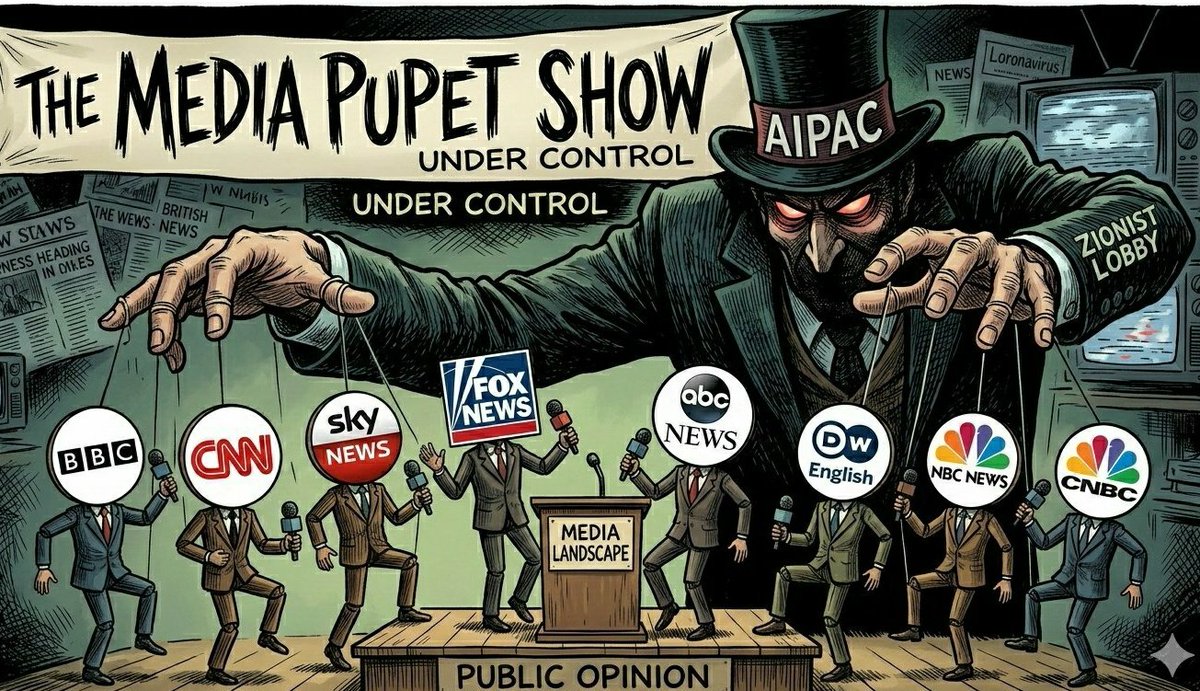
A prevalent view repeats that Iran has not engaged in any U.S. negotiations, dismissing all American public statements as lies from "Zionist-linked fake news," with claims that Trump is deceiving the world and the U.S. lost the war on day one.
Israel's War, Global Fallout
Echoing Erdogan, posters frame the conflict as Netanyahu's bid for political survival, arguing it burdens the entire world—8 billion people suffering from what they see as Israel's aggressive push rather than a broader US-Israeli effort.
Calls for Regional Alliances Against US-Israel
Iran's IRGC push for a security union among Arab and Islamic nations without the U.S. or Israel is celebrated by some as a bold counter-move, positioning it as a necessary step toward independence from Western influence.
Coordinated Fake News to Divide and Manipulate
Self-identified Iranian voices describe the trending narratives as orchestrated deception to control markets and sow division among Iranians, predicting global exposure of the "psychos" behind it soon.
A Different View
While debates rage over military desperation, victory claims, and peace offers, a less-discussed angle emerges from economic undercurrents: the trend's repetitive posts and low engagement (mostly 0-2 likes) suggest algorithmic amplification rather than organic outrage. This could indicate state-linked bots or market players exploiting the war narrative to manipulate oil prices or currency via Strait of Hormuz fears, turning geopolitical tension into a trading tool—where "Iran won day one" spam serves as digital chaff distracting from real-time commodity plays.
Conclusion
Pakistan's mediation bid, the U.S. recruitment pivot, and fiery rhetoric from Erdogan and Iran have ignited this X firestorm, exposing deep divides in how the world views the US-Israeli actions against Iran. As perspectives clash from triumph to treachery, the trend underscores a pivotal moment where diplomacy, military needs, and online echo chambers collide, potentially shaping the conflict's next phase.
Sources and discussion
These public posts were collected while researching this story. They provide context and reactions, but may not independently verify every claim.
View the original topic on XPak News - www.pak.news
@paknewsnow
Pakistan Offers to Host Peace Talks to End US-Israeli War on Iran Source: U.S. News & World Report #Pakistan
Mar 24, 2026GalataSARAYlı
@24Galatasaray1
@QudsNen Iran has not engaged in any negotiations or talks with the US. All US public statements are lies and are the work and news of Zionist-linked fake news agencies; they should not be taken seriously. Trump is openly lying to the world. The US lost this war on day one.
Mar 24, 20261 likesGalataSARAYlı
@24Galatasaray1
@i24NEWS_EN @DBDesRoches @Nicole_Zedeck Iran has not engaged in any negotiations or talks with the US. All US public statements are lies and are the work and news of Zionist-linked fake news agencies; they should not be taken seriously. Trump is openly lying to the world. The US lost this war on day one. #Iran
Mar 24, 2026GalataSARAYlı
@24Galatasaray1
@alhasaan0 Iran has not engaged in any negotiations or talks with the US. All US public statements are lies and are the work and news of Zionist-linked fake news agencies; they should not be taken seriously. Trump is openly lying to the world. The US lost this war on day one.
Mar 24, 2026Y's Gyallery
@yosikisi
Breaking News: Turkish President Erdogan (on Iran): "This war is Israel's war, but the whole world is paying the price." "This is a war for Netanyahu's political survival, but as a result all 8 billion people are suffering."
Mar 24, 2026GalataSARAYlı
@24Galatasaray1
@SilentlySirs Iran has not engaged in any negotiations or talks with the US. All US public statements are lies and are the work and news of Zionist-linked fake news agencies; they should not be taken seriously. Trump is openly lying to the world. The US lost this war on day one.
Mar 24, 2026