

Iran-US Military Tensions Escalate: Missile Strikes on Diego Garcia and Diplomatic Frantic Amid Middle East Brinkmanship
• From trending topic: Iran-US military tensions and escalation in the Middle East
Summary
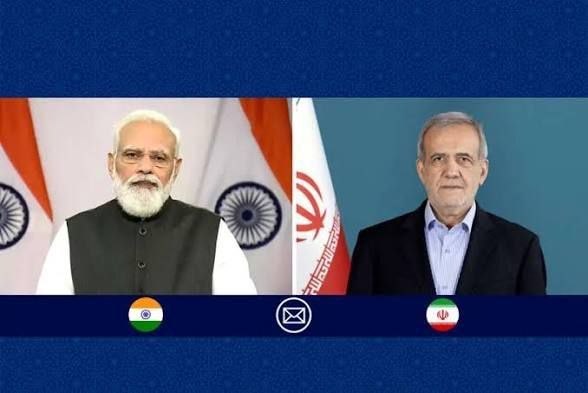
The topic "Iran-US military tensions and escalation in the Middle East" is surging on X today due to viral posts highlighting two interconnected developments: reports of Iran launching missiles at the US-UK base on Diego Garcia in the Indian Ocean, with both allegedly failing, and a high-profile telephone conversation between Iran's President and Indian Prime Minister Narendra Modi discussing "continued military aggression by the US and the Zionist regime against Iran." These claims, amplified by #IranUSCrisis, #MiddleEastWar, and #BreakingNewsAlert hashtags, have ignited widespread online debate, blending unverified strike reports with diplomatic outreach. The Diego Garcia incident— a remote strategic outpost used for US military operations—raises alarms over direct confrontation, while the Modi call signals Iran's push for international allies amid accusations of US-led aggression. Additional buzz includes unconfirmed reports of Pakistan mediating between the US and Iran (per a New York Times mention), wild claims of Trump demanding trillions from Gulf states to fund or end a war, and links to oil disruptions threatening global food prices via urea shortages. This mix of alleged military action, leader-level talks, and economic ripple fears has propelled the trend, drawing millions of views as users speculate on a potential full-scale regional war disrupting oil supplies, inflating prices, and straining NATO, Putin-Trump dynamics, and global alliances.
Common Perspectives
Alarm Over Direct Escalation
Many X users view the Diego Garcia missile launch—successful or not—as a game-changer, signaling Iran's willingness to strike US assets far from the Middle East, potentially pulling in UK forces and risking a broader conflict that could spike oil prices and crash economies.
Diplomatic Pushback from Allies
Posts celebrate Iran's Modi call as savvy diplomacy, framing the US and Israel as aggressors and positioning India as a counterweight to Western influence, with some predicting a shift in Global South alliances against perceived US overreach.
Economic Domino Effect
Commentators link the tensions to real-world fallout, warning that Middle East disruptions could halt LNG supplies, cause urea shortages for fertilizers, and drive up global food prices, hitting farmers and consumers from the US to India hardest.
Mediation and Backchannel Hopes
Optimists highlight Pakistan's reported role as a US-Iran go-between (citing NYT), seeing it as a de-escalation lifeline, while tying it to Trump-Putin talks and Gulf funding rumors as signs of frantic deal-making to avert war.
War Profiteering Narratives
Skeptics amplify claims of Trump demanding $5 trillion from Gulf states for war or $2.5 trillion to end it, portraying the crisis as "big business" for arms dealers and politicians, fueling anti-US sentiment online.
A Different View
While headlines fixate on missiles and ultimatums, a overlooked angle is the cyber-agriculture nexus: Iran's strikes coincide with sophisticated hacks on Gulf LNG facilities (as hinted in recent reports), which could deliberately target fertilizer production chains. This "silent escalation" might starve farms worldwide before bullets fly, forcing food-importing nations like India to realign with Iran for urea alternatives, quietly reshaping alliances through empty shelves rather than battlefields.
Conclusion
As missile reports and Modi calls dominate X, Iran-US tensions expose fragile global threads—from Diego Garcia's runways to dinner tables worldwide. Whether failed strikes spark war or diplomacy prevails, the trend underscores how one region's brinkmanship reverberates everywhere, demanding vigilant eyes on both skies and supply chains.
Sources and discussion
These public posts were collected while researching this story. They provide context and reactions, but may not independently verify every claim.
View the original topic on XDAN O'BRYAN
@DANOBRYAN7
Trump panic, Putin ultimatum, Trump war crisis, NATO tensions, Iran intelligence, Middle East conflict, US military, global politics, oil prices, inflation news, US economy, Trump Putin news, diplomatic crisis, international relations, geopolitical crisis,
Mar 23, 2026Tehran Times
@TehranTimes79
#BREAKING President @drpezeshkian held a telephone conversation with Indian Prime Minister Narendra Modi to discuss bilateral relations, regional and international developments in light of the continued military aggression by the US and the Zionist regime against Iran.
Mar 21, 2026523 likes76 repostsSheila
@MigPicZ74
The news is alarming: Iran Launches Missiles at Diego Garcia U.S.-UK Base, Both Fail. This escalation raises serious concerns about regional stability and international relations.
Mar 22, 2026The Trending News
@SiyaRam3046
🚨 Iran-US Crisis LIVE | Middle East Brink of Conflict as Global Powers React 🌍⚡ us middle east strategy oil supply disruption news international relations crisis world news trending now #IranUSCrisis 🚨 #MiddleEastWar 🌍 #GlobalTension ⚡ #BreakingNewsAlert 🔥
Mar 21, 2026Md Nasir🇮🇳
@nasirgour05
#BREAKING President @drpezeshkian held a telephone conversation with Indian Prime Minister Narendra Modi to discuss bilateral relations, regional and international developments in light of the continued military aggression by the US and the Zionist regime against Iran.
Mar 21, 2026Rahul singh💲
@imRahulxinghh
@narendramodi The Geo Matters shares updates and analysis on global conflicts and international relations. It covers breaking news and insights into military and geopolitical events.
Mar 21, 2026