

U.S. – Iran diplomatic talks
• From trending topic: U.S. – Iran diplomatic talks
Summary
What’s driving the sudden buzz on X is a short, high-impact statement from President Trump that the United States is “engaged in very good discussions” with Iran. The remark hit screens just as oil prices and equity futures were already jittery over renewed Middle-East tensions, instantly turning a routine diplomatic update into a global-market headline. Traders, diplomats, and online commentators are treating the comment as the clearest public signal yet that back-channel talks—quietly restarted after months of indirect messaging—are now producing concrete negotiating points. The timing, coming on the same morning that European leaders are watching U.S. positions on Greenland and Ukraine, has given the story extra velocity on social platforms, where posts mixing oil-market anxiety with speculation about sanctions relief are racking up shares.
Common Perspectives
Optimists See a Narrow Window for De-escalation
Many investors and centrist foreign-policy voices argue the phrase “very good discussions” is deliberate diplomatic code meaning both sides have tabled workable compromises—possibly on enrichment caps in exchange for phased sanctions relief. They point to the muted Iranian response on state media as evidence that hard-liners in Tehran are at least willing to listen.
Skeptics Warn of Another Cycle of Unkept Promises
Critics, including some congressional voices and Iranian diaspora activists, recall past negotiations that collapsed once domestic politics shifted. They caution that any deal lacking iron-clad verification or bipartisan buy-in on Capitol Hill could unravel quickly, leaving markets whipsawing on headlines rather than results.
Markets Focus on the Oil-Supply Math
Energy traders are less interested in the politics than in the barrels: a credible diplomatic track could keep Iranian crude from returning in large volumes, supporting prices, while renewed confrontation risks fresh sanctions that tighten supply even more. The intraday spike in Brent crude after Trump’s comment is being read as the market pricing in that uncertainty.
Regional Actors Brace for Spill-over Effects
Gulf Arab states, Israel, and Turkey are each recalibrating. Riyadh and Abu Dhabi worry that any sanctions relief could tilt investment toward Iran; Israeli officials stress the need for parallel security guarantees; Ankara sees an opening to mediate energy routes if sanctions ease.
A Different View
Instead of framing the talks solely as a Washington–Tehran binary, consider how third-party financiers—particularly refineries and trading houses in Oman and Iraq—are positioning themselves for a potential sanctions carve-out. The chatter on X about “sanctioned Iranian oil behind an Iraqi refinery” hints at a shadow infrastructure already being negotiated: storage leases, ship-to-ship transfer protocols, and letters of credit denominated in non-dollar currencies. If the diplomatic track advances, these players could become the first legal beneficiaries, turning what looks like a bilateral negotiation into a quietly multilateral scramble for energy logistics.
Conclusion
A single presidential sound-bite has re-ignited a market-sensitive narrative: that U.S.–Iran diplomacy is no longer frozen but inching forward. Whether the optimism holds depends less on rhetoric and more on whether the parallel conversations—on verification, sanctions sequencing, and third-country logistics—can be converted into verifiable steps before political headwinds return.
Sources and discussion
These public posts were collected while researching this story. They provide context and reactions, but may not independently verify every claim.
View the original topic on XEmmanuel – Big Tech & AI Investor
@EmmanuelInvest
🚨 GLOBAL MARKET & GEOPOLITICAL SNAPSHOT 🌍 Here's what's making headlines this morning: ━━━━━━━━━━━━━━━━━━ 🇺🇸 U.S. – Iran 🔹 President Trump said the U.S. is engaged in "very good discussions" with Iran, signaling continued diplomatic progress as
Aug 5, 20261 repostsSP∆RT∆n🤾
@ridetwolife
@lathanlol @adamcarolla Trump invades global news with Greenland & Iran 🤢🤮, nazi Elon meddles in EU politics, Vance spam-tweets about free speech. Yet you cry when a European talks back🤡? Free speech for me, not for thee. You are a walking, talking joke 🤡🤡🇷🇺
Aug 4, 2026Universal brainbox
@Bestinall01
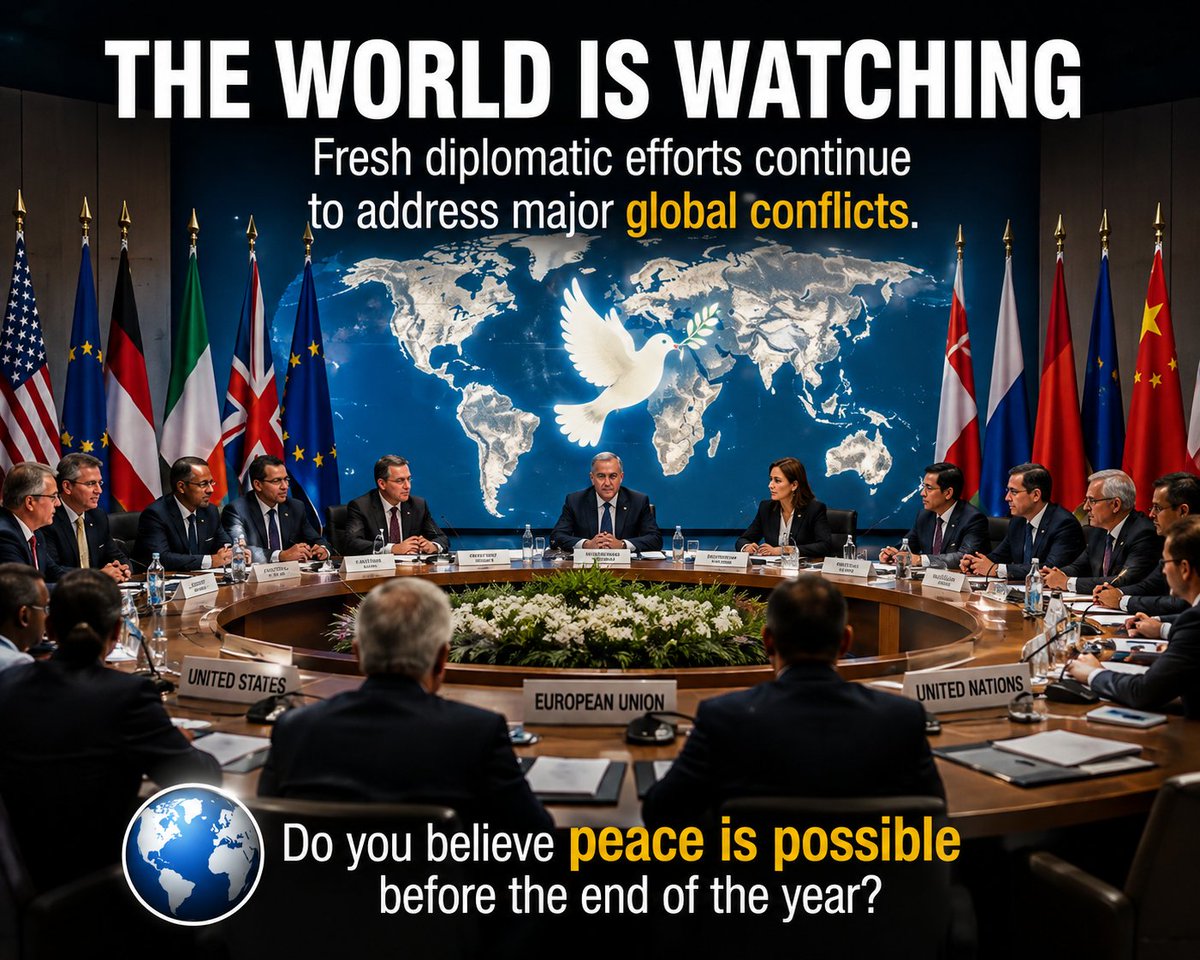
1. World News 🌍 The world is watching as fresh diplomatic efforts continue to address major global conflicts. Do you believe peace is possible before the end of the year? #WorldNews #Politics
Aug 5, 2026Terezia G. Hajickova
@Terezia_Gabriel
INSIGHTS & SOLUTIONS from an author that was offered sanctioned Iranian oil „behind an Iraqi refinery“, later asked to facilitate financing for a refinery intended to process Iranian crude oil in Oman, offers which were refused. Instead the author has proven cybercrime committed
Aug 5, 2026David Weir
@slowmovingman
AMEN!🔥 #america #global #news #congress #israel #politics #us #usa #iran... via @YouTube
Aug 4, 2026