

China Strikes Back: Beijing Targets Seven U.S. Firms Over Forced-Labor Sanctions
• From trending topic: China Announces Countermeasures Against Seven U.S. Entities
Summary
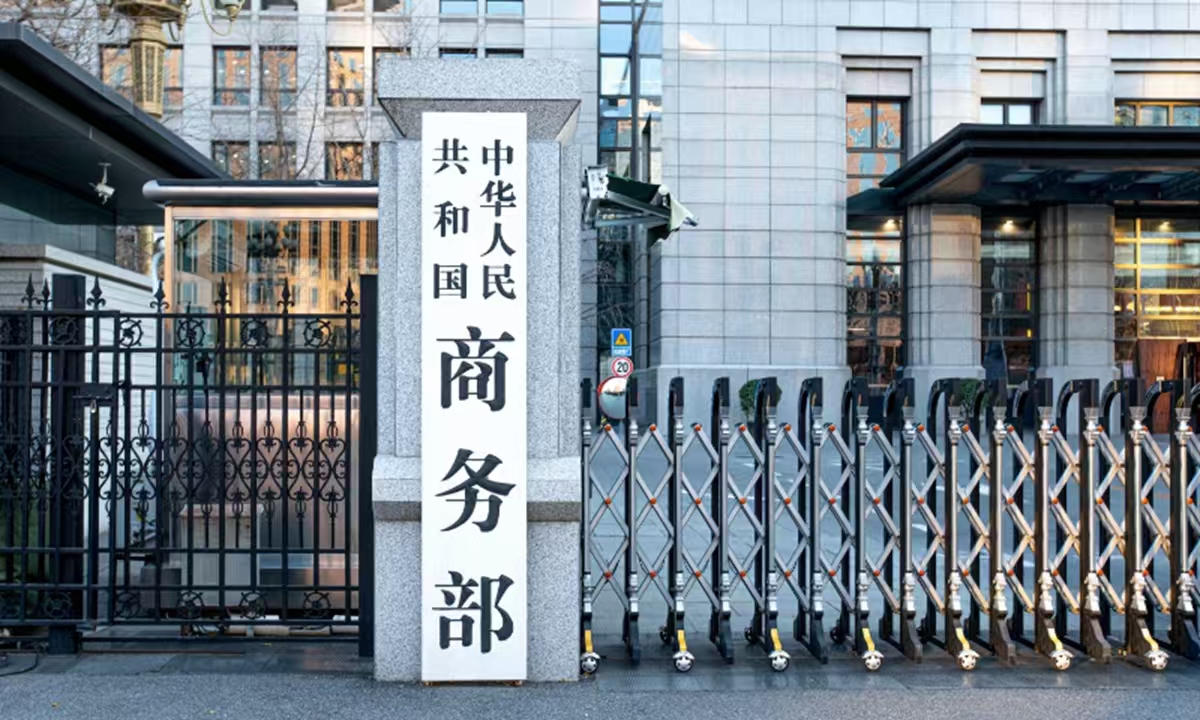
The surge in online conversation began minutes after China’s Ministry of Commerce published an unexpected announcement today stating that Washington’s latest sanctions against Chinese companies—issued on the grounds of alleged “forced labor”—will be met with retaliatory measures against seven American entities. Within the first hour the post gathered thousands of reposts on X, pushing the phrase “China Announces Countermeasures Against Seven U.S. Entities” into the platform’s global trending list. The move is the most recent escalation in an ongoing tit-for-tat between the two governments over supply-chain controls, human-rights designations, and technology access, and it is the concrete event driving today’s conversation rather than any broader historical pattern.
Common Perspectives
Strategic Counter-Blow
Many observers see the seven-entity list as a deliberate mirror image of U.S. sanctions policy. By naming American firms that rely on Chinese components or markets, Beijing signals that any new restriction on Chinese companies will trigger an equal and immediate response, raising the cost of further U.S. measures.
Supply-Chain Shockwave
Market analysts note that several of the targeted U.S. companies are embedded in critical technology supply chains. Traders worry that export-license revocations or customs delays could ripple through semiconductor, EV-battery, and aerospace sectors already strained by earlier restrictions.
Political Messaging at Home
State-media framing emphasizes that the countermeasures defend Chinese enterprises from “unfounded” allegations, reinforcing a domestic narrative that Beijing will not yield to external pressure on internal affairs such as Xinjiang labor practices.
Investor Caution Flag
Portfolio managers tracking U.S.-listed firms with material China exposure are treating the announcement as a fresh reminder that political risk premiums may need recalibration, especially for companies lacking diversified sourcing outside China.
A Different View
Instead of reading the countermove solely through the lens of bilateral tension, consider it as a test of “asymmetric interdependence.” China’s list deliberately avoids well-known consumer brands that might provoke widespread public backlash inside the United States; instead, it selects mid-tier suppliers whose troubles are more likely to surface in quarterly SEC filings than on household shelves. That choice may reveal a calculated effort to keep the dispute inside boardrooms and regulatory agencies, limiting the scope for domestic political escalation while still imposing tangible costs.
Conclusion
Today’s sanctions announcement is not a stand-alone episode but the latest concrete data point in a fast-moving sequence of reciprocal economic measures. How the seven named firms—and the broader market—react in the coming days will help determine whether this round remains a contained corporate dispute or broadens into a wider decoupling of the world’s two largest economies.
Sources and discussion
These public posts were collected while researching this story. They provide context and reactions, but may not independently verify every claim.
View the original topic on XLoong of the east
@loong_of
Breaking: China Announces Countermeasures Against Seven U.S. Entities The Chinese Ministry of Commerce issued a sudden announcement stating that the United States has recently sanctioned Chinese enterprises based on allegations of so-called "forced labor." These actions severely
Aug 5, 20265 likesChina Military Bugle
@ChinaMilBugle
A Chinese defense spokesperson on Tuesday refuted contents related to the Chinese military in Japan's new defense white paper, noting that it is hyping up the so-called "China threat" rhetoric, which merely serves as an excuse for Japan to ease restrictions on its own military
Aug 4, 202667 likes15 repostsYouth China
@YouthChina
A Chinese defense spokesperson on Tuesday refuted contents related to the Chinese military in #Japan's new defense white paper, noting that it is hyping up the so-called "#China threat" rhetoric, which merely serves as an excuse for Japan to ease restrictions on its own military
Aug 5, 2026