

UN Report Accuses Israel of Ethnic Cleansing in Palestine: Global Outrage and Diplomatic Fallout Ignites Social Media Storm
• From trending topic: UN report on Israel's ethnic cleansing in Palestine
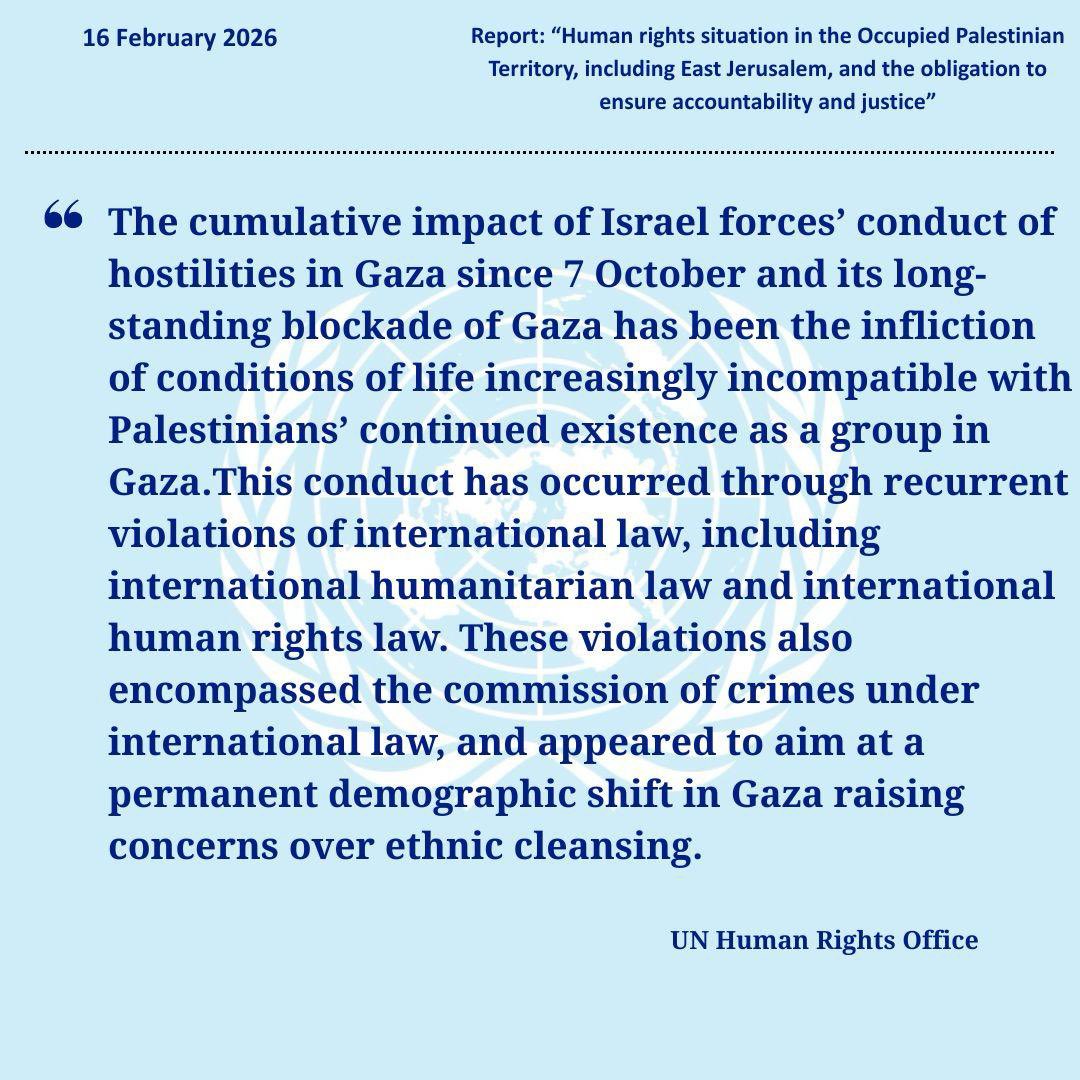
Summary
A newly released United Nations report, published this week by the UN Special Rapporteur on the situation of human rights in the Palestinian territories, has sparked worldwide controversy by explicitly accusing Israel of engaging in ethnic cleansing in Gaza and the West Bank. Titled "Anatomy of a Genocide," the report details systematic displacement of Palestinians, destruction of civilian infrastructure, and policies aimed at altering the demographic composition of the region. Released amid escalating military operations in Gaza following recent flare-ups in hostilities, the document cites evidence from satellite imagery, eyewitness accounts, and demographic data showing over 1.9 million Palestinians displaced since October 2023, with entire neighborhoods razed.
The report is trending today due to its viral spread on platforms like X (formerly Twitter) and TikTok, where clips of the rapporteur's press conference have amassed millions of views in the past 48 hours. High-profile endorsements from figures like Brazilian President Lula da Silva, who called it a "crucial wake-up call," and protests outside UN headquarters in New York and Geneva have amplified its reach. This surge coincides with Israel's ongoing military campaign in Rafah and a fresh UN Security Council debate on ceasefire resolutions, making the timing explosive. Key details include the report's 23-page analysis of "intentional life-threatening conditions" imposed on Palestinians, backed by quotes from Israeli officials and data on aid blockades, positioning it as a pivotal moment in international scrutiny of the conflict.
Common Perspectives
Pro-Palestinian Advocacy: A Long-Overdue Official Recognition
Supporters of Palestinian rights view the UN report as historic validation of their claims, arguing it provides irrefutable evidence of deliberate population transfer and cultural erasure. They highlight the report's documentation of home demolitions and settlement expansions as proof of a coordinated strategy, calling for immediate sanctions and ICC investigations to halt what they describe as ongoing atrocities.
Israeli Government Defense: Biased and One-Sided Propaganda
Israeli officials and their allies dismiss the report as politically motivated slander from a prejudiced UN body, emphasizing the context of Hamas rocket attacks and the October 7, 2023, assault that killed over 1,200 Israelis. They point to Israel's efforts to minimize civilian harm, such as evacuation warnings, and accuse the rapporteur of ignoring Palestinian militant tactics, framing the document as an antisemitic attack on Israel's right to self-defense.
Neutral Humanitarian Concern: Focus on Civilian Suffering Regardless of Labels
Aid organizations and neutral observers prioritize the humanitarian crisis, stressing that whether or not the term "ethnic cleansing" applies, the displacement of millions and famine risks demand urgent global action. Groups like Doctors Without Borders echo the report's data on blocked aid convoys and hospital bombings, urging ceasefires and access for relief without delving into legal classifications.
Western Allies' Caution: Legal and Diplomatic Implications
Policymakers in the US and Europe express reservations about the report's inflammatory language, worrying it could undermine peace negotiations and fuel extremism. They acknowledge the dire situation in Gaza but advocate for bilateral talks over UN condemnations, citing the need for balanced accountability that includes Hamas's role in hostage-taking and governance failures.
Arab World Solidarity: Call for Unified Boycotts and Intervention
Leaders and publics in Arab nations see the report as a catalyst for collective action, including economic boycotts and support for South Africa's related ICJ genocide case. They interpret Israel's response—rejecting the findings outright—as confirmation of impunity, pushing for League of Arab States resolutions to isolate Israel diplomatically.
A Different View
While most discourse fixates on blame and terminology, an overlooked angle is the report's potential boomerang effect on Palestinian statehood aspirations. By framing Israel's actions through the lens of ethnic cleansing—a charge with historical weight akin to the Balkans in the 1990s—it inadvertently shifts global focus from practical two-state solutions to maximalist demands for refugee returns and full territorial rollback. This could harden Israeli resolve, entrenching settlements as faits accomplis, and empower hardliners on both sides who reject compromise. Instead of bridging divides, the report might accelerate a de facto one-state reality under prolonged conflict, where demographic engineering debates obscure viable paths to sovereignty for either party—a scenario rarely discussed amid the outrage.
Conclusion
The UN report on Israel's alleged ethnic cleansing in Palestine has thrust the Israeli-Palestinian conflict back into the global spotlight, polarizing opinions and fueling demands for accountability. As social media buzz collides with diplomatic maneuvering, the true test lies in whether this moment catalyzes dialogue or deepens entrenchment, with the world's response shaping the trajectory of a decades-old struggle.
Sources and discussion
These public posts were collected while researching this story. They provide context and reactions, but may not independently verify every claim.
View the original topic on X