

Ukraine Confirms Special-Forces Veteran Yevhenii Khmara as Defense Minister
• From trending topic: Ukraine Approves Yevhenii Khmara as New Defense Minister
Summary
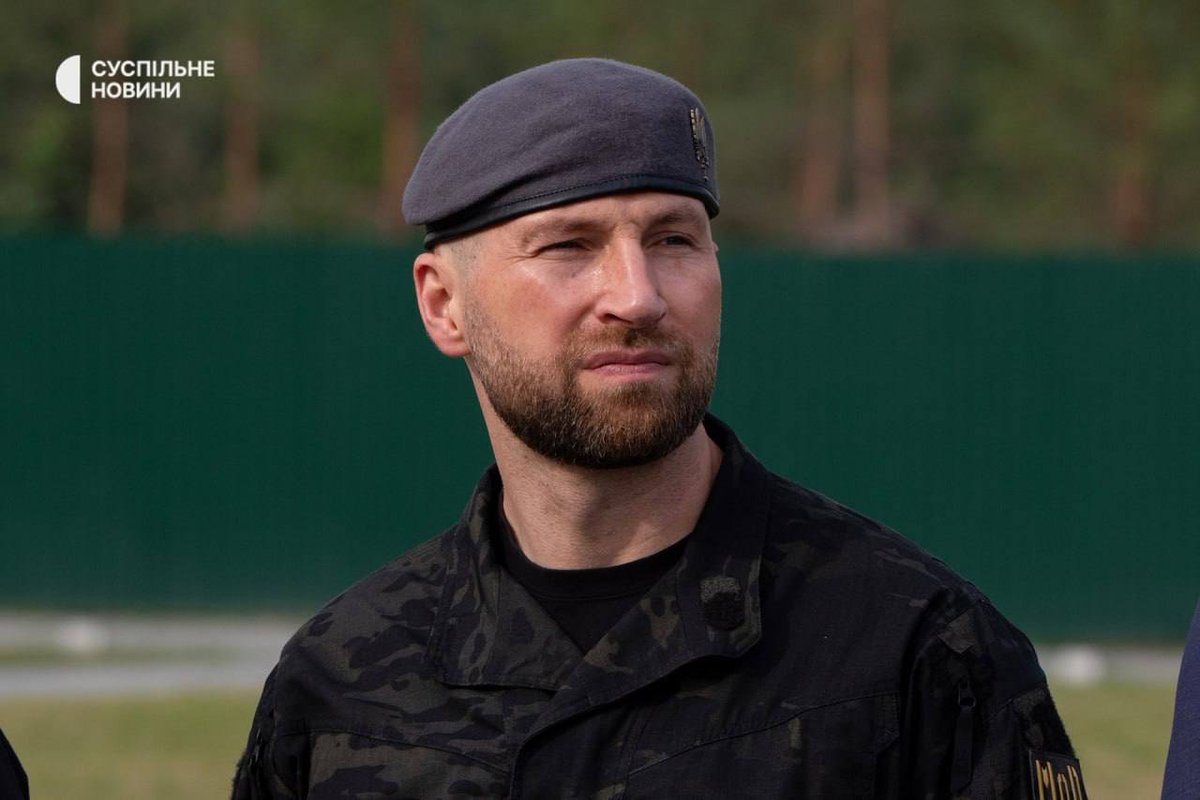
Ukraine’s parliament has confirmed Yevhenii Khmara as defense minister, President Volodymyr Zelenskyy announced, grouping the vote with approval of Andrii Sybiha as foreign minister. Zelenskyy thanked lawmakers and said the tasks for both men were “absolutely clear: Ukraine needs more strength.”
A widely circulated social-media profile that appeared after the announcement described Khmara as a veteran of more than 15 years in the Alpha special-operations unit (previously called Omega), a participant in the recapture of Snake Island, and the coordinator of an operation labeled “Spiderweb.” That post claimed the operation destroyed 41 Russian aircraft and caused $7 billion in losses; those figures and the attribution have not been independently confirmed in official Ukrainian statements accompanying the appointment.
The dual confirmation and Zelenskyy’s framing arrived as a single package, presented as a personnel move meant to increase military and diplomatic pressure. Details of Khmara’s exact prior rank, the circumstances of the previous defense minister’s departure, and any new mandate beyond the president’s public comment remain limited in the initial reporting.
Common Perspectives
Combat Credentials for a Combat Ministry
Ukrainian officials and many of the government’s domestic supporters treat Khmara’s Alpha service and reported field roles as the strongest possible qualification. The view holds that a commander who has planned high-risk raids understands Russian methods and will favor results over process. It appeals because it converts battlefield stories into institutional authority. The assumption is that special-operations experience transfers directly to running a large conventional force, managing Western aid, and overseeing defense industry—roles that involve far more bureaucracy and alliance politics than a raid on Snake Island.
Dual Appointments as a Show of Momentum
Analysts who follow Kyiv’s public messaging read the simultaneous confirmation of Khmara and Sybiha, paired with Zelenskyy’s “more strength” line, as an attempt to signal continuity of purpose to both Ukrainian citizens and foreign partners. The interpretation is popular among those who believe leadership optics still affect aid decisions and public endurance after years of war. The trade-off is that frequent high-level changes can equally be interpreted as churn rather than renewal, especially when the concrete policy differences each new minister will introduce are not yet spelled out.
Caution About Unverified Operational Claims
Independent reporters and some military analysts separate the parliamentary vote, which is a documented fact, from the detailed battlefield résumé now circulating. They note that while Alpha service and a Snake Island role are consistent with known Ukrainian special-operations activity, the specific “Spiderweb” aircraft count and dollar figure originate in social-media posts rather than released after-action reports. This stance appeals to readers who have watched information operations from all sides and prefer official confirmation before treating spectacular claims as settled history.
A Different View
The conversation has centered on Khmara’s special-forces pedigree, yet the defense minister’s actual workload in a long war is dominated by ammunition stocks, training pipelines, industrial output, and negotiations with suppliers and donors. Spectacular raids generate attention and can damage Russian aviation, but they do not by themselves solve the attrition problem of sustaining hundreds of thousands of troops. Appointing a raider to the top civilian defense post therefore raises a systems question the current discussion largely skips: whether the skills that produce headline operations are the same skills required to keep a wartime economy and a conventional army functioning month after month.
Conclusion
The immediate test will be whether Khmara’s first personnel decisions and public statements emphasize special-operations expansion, conventional force generation, or the unglamorous work of procurement and alliance management. Those choices, more than the résumé now circulating, will show what “more strength” is intended to mean in practice.
Sources and discussion
These public posts were collected while researching this story. They provide context and reactions, but may not independently verify every claim.
View the original topic on XVolodymyr Zelenskyy / Володимир Зеленський
@ZelenskyyUa
I am grateful to the MPs for supporting Andrii Sybiha for the position of Minister of Foreign Affairs of Ukraine and Yevhenii Khmara for the position of Minister of Defense of Ukraine. The tasks for both ministers are absolutely clear: Ukraine needs more strength. And it will
Aug 19, 20265K likes708 repostsUAVoyager🇺🇦
@CrimeanVoyager
Get to know Ukraine’s new Defense Minister, Yevhen Khmara. 15+ years in “Alpha” (formerly “Omega”). Took part in the liberation of Snake Island. Coordinated “Spiderweb” — an operation that destroyed 41 russian aircraft and caused $7 billion in losses. Under his command, Alpha
Aug 19, 20263.8K likes752 reposts