

Kremlin Aide Rules Out Freezing Ukraine War Along Current Front
• From trending topic: Russia Rejects Freezing Ukraine Conflict Along Current Lines
Summary
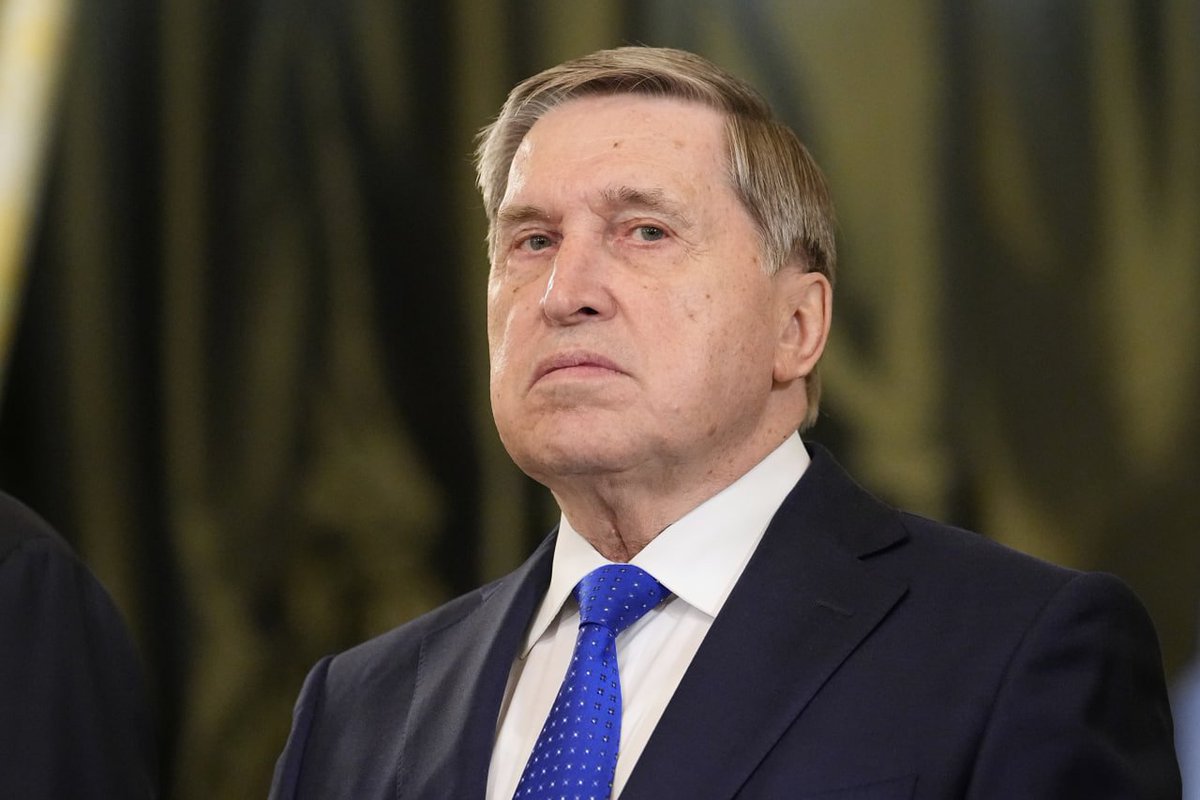
Yuri Ushakov, a senior foreign-policy aide to President Vladimir Putin, said Moscow is not considering a freeze of the Ukraine conflict along the existing line of contact. The statement, reported Tuesday, directly addresses one of the more commonly discussed ideas for pausing the fighting: simply stopping where the armies now stand. Such a freeze would leave large areas of Ukrainian territory under Russian control while giving both sides time to regroup and rearm. Ushakov’s remarks indicate the Kremlin is unwilling to accept that outcome for now. Accounts circulating on X described the comment as one of several similar statements from Russian officials in recent days, though the precise sequence and wording of earlier remarks have not been independently confirmed in the available reporting. The rejection comes against a backdrop of continued attrition along a long front and periodic diplomatic feelers that have so far produced no ceasefire. It does not, by itself, disclose new military plans or close off every possible negotiation track; it does make clear that a simple halt at today’s positions is not on the table from Moscow’s side.
Common Perspectives
Evidence of Continued Military Ambition
Ukrainian officials and many Western supporters of Kyiv read the statement as confirmation that Russia still believes it can take more ground and therefore has no interest in locking in the present map. The view appeals because it frames additional military aid as necessary to alter Moscow’s calculus. It assumes battlefield momentum, rather than purely political signaling, is the main driver; the trade-off is that it can justify open-ended fighting even as costs mount on both sides.
Refusal to Accept an Incomplete Outcome
Russian officials and aligned commentators present the rejection as a refusal to ratify a pause that would leave core objectives unmet and allow Ukraine to rebuild with Western weapons. The stance projects resolve and appeals to audiences who see any freeze as a Western-imposed stalemate. It rests on the assumption that time and resources favor Russia; the corresponding risk is prolonged isolation, sanctions, and casualties without a guaranteed better settlement later.
Lost Chance for Immediate De-escalation
Diplomats, humanitarian organizations, and some European voices favoring a rapid halt to the killing treat the comment as another door closed on reducing daily deaths and destruction. A freeze, in this reading, would at least stop the bleeding even if it left political questions unresolved. The appeal is straightforward humanitarian urgency. The assumption is that a pause is both feasible and stabilizing; the risk is that it could simply freeze an unjust or unstable line and invite later resumption of fighting.
A Different View
The remark may function less as a battlefield assessment than as simultaneous messaging to several audiences at once. Repeated public rejection of a freeze can dampen expectations in Western capitals that a cheap off-ramp is imminent, thereby helping sustain support for Ukraine, while also reassuring a domestic Russian audience and military that leadership is not shopping for an easy exit. In a long war of attrition, such statements shape morale and alliance behavior as much as they describe actual red lines. The neglected question is therefore not only what Russia will or will not accept on the map, but how the timing and repetition of the language itself is meant to influence the next round of aid decisions and diplomatic energy.
Conclusion
The immediate test will be whether the comment is followed by any shift in Russian operational tempo or by clarifying statements from other Kremlin figures, and how Kyiv and its partners adjust their own public diplomacy in response.
Sources and discussion
These public posts were collected while researching this story. They provide context and reactions, but may not independently verify every claim.
View the original topic on XAleksey The Great 🇷🇺🎖
@aleksthgrt
🚨BREAKING NEWS The Kremlin has ruled out freezing the conflict along the current line of contact.🇷🇺⚔️🚫 ▪️Russian Presidential Aide Yuri Ushakov stated that Moscow is not considering freezing the conflict with Ukraine along the current front line.
Aug 18, 2026277 likes45 repostsChay Bowes
@BowesChay
Another blow to Zelensky’s masters Putin’s aide Ushakov: Russia rules out freezing the conflict along the line of contact with Ukraine
Aug 18, 2026508 likes69 repostsWarTranslated
@wartranslated
Russia rules out the possibility of "freezing" the conflict with Ukraine along the line of contact, according to Ushakov.
Aug 18, 2026259 likes22 repostsbig ben
@alternative_war
🔴 KREMLIN RULES OUT FRONTLINE FREEZE — THIRD SUCH STATEMENT IN EIGHT DAYS Putin’s foreign policy aide Yuri Ushakov has rejected any freeze of the war along the current line of contact. Asked directly about foreign proposals to halt hostilities at the existing frontline, he told
Aug 18, 2026