

Kid Rock's TPUSA Halftime Show Sparks National Debate: Patriotism, Performance, and Polarization
• From trending topic: Kid Rock
Summary
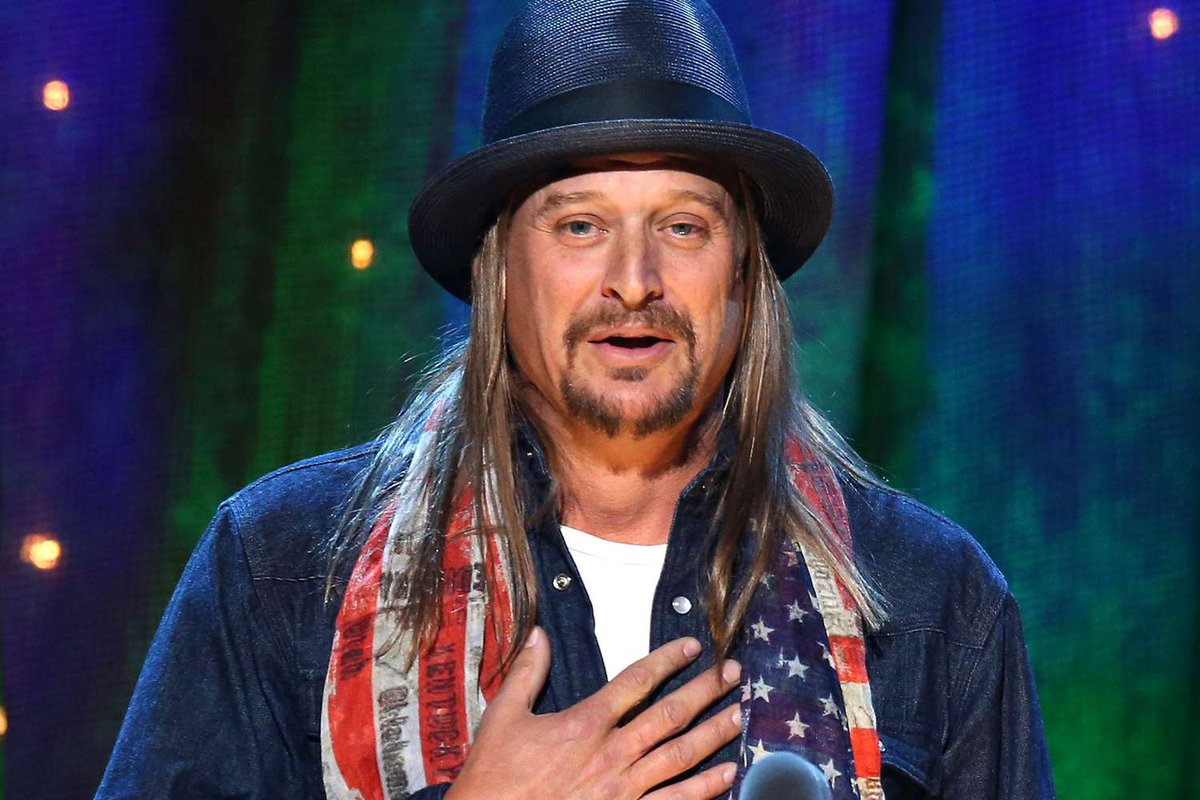
Kid Rock has exploded back into the spotlight following his high-energy halftime performance at Turning Point USA's (TPUSA) recent event, igniting fierce discussions across X (formerly Twitter). The show's patriotic flair, blending rock anthems with American symbolism, has fans claiming it propelled one of his tracks to the number one spot on national charts—outpacing contemporary stars like Bad Bunny. This surge in buzz stems directly from the event's live spectacle, where Kid Rock delivered a medley of hits, drawing cheers from the conservative crowd while prompting backlash from critics who mocked his style, attire, and relevance. Comparisons to Bad Bunny's polished performances have fueled the fire, with users debating viewership, lyrical content, and cultural impact. The trending topic reflects a broader cultural clash: a revival of "heartland rock" versus modern global pop, amplified by TPUSA's political undertones, making Kid Rock a lightning rod for today's divided entertainment landscape.
Common Perspectives
### Pro-Kid Rock Fans Celebrate Patriotic Triumph
Supporters hail the TPUSA halftime show as a massive win, pointing to claims of Kid Rock's song hitting number one nationwide post-performance. They praise his unapologetic American themes, superior lyrics, and ability to connect with audiences through familiar hits, contrasting it favorably against Bad Bunny's style. Enthusiasts see it as a refreshing rebuke to mainstream acts, with patriotic emojis and flags underscoring their view of the show as a cultural high point.
### Critics Slam It as Cringe and Outdated
Detractors label the performance a low point, calling Kid Rock "trailer trash" and the worst they've witnessed, questioning his relevance by noting he was "brought out of mothballs." They highlight his casual attire versus more formal acts like Bad Bunny's suits, accuse him of miming songs, and argue popularity doesn't equate to quality—dismissing the chart claims as hype from a biased crowd.
### Comparisons Favor Bad Bunny's Polish and Reach
Many frame the debate around head-to-head metrics, insisting Bad Bunny's shows draw bigger viewership and questioning Kid Rock's edge in lyrics or authenticity. References to his songs about "loving young girls" add edge to critiques, positioning the Puerto Rican star as superior in production, global appeal, and sophistication over Kid Rock's raw, controversial vibe.
### Conspiracy Angles Tie It to Bigger Narratives
Some users weave darker threads, suggesting Kid Rock's prominence links to high-profile scandals like Epstein Island as a rumored "backup name," implying the TPUSA spotlight revives uncomfortable associations. This perspective casts the performance as more than entertainment, hinting at hidden influences behind his trending resurgence.
A Different View
While the TPUSA halftime show dominates as a battleground for left-right culture wars and pop rivalries, consider it a savvy marketing masterstroke by TPUSA: Kid Rock's performance wasn't just a concert but a calculated nostalgia bomb, weaponizing 90s rap-rock rebellion to rally young conservatives against "woke" entertainment. By topping charts (per fan reports), it proves hybrid genres can still dominate streaming algorithms, potentially signaling a shift where event-tied viral moments outpace traditional radio play—challenging both Bad Bunny's globalism and critics' dismissal by turning backlash into free publicity.
Conclusion
Kid Rock's TPUSA halftime spectacle has transformed a single performance into a microcosm of America's entertainment divide, blending chart claims, style clashes, and ideological sparks. As debates rage on X, it underscores how one rocker's return can reignite national conversations on patriotism, talent, and taste—keeping the conversation, and the trends, alive.
Sources and discussion
These public posts were collected while researching this story. They provide context and reactions, but may not independently verify every claim.
View the original topic on XSaint 🌊
@seasaintxbt
Kid Rock is trailer trash we all watched bad bunny
Feb 9, 20261 likesVicki H
@VickiHaze
@wilson_hugh @its_The_Dr I knew all the singers and all the songs except for the 1st. Kid Rock song 🇺🇸🇺🇸🇺🇸🇺🇸🇺🇸🙌❤️
Feb 9, 20261 likesRep. Jack Kimble
@RepJackKimble
@OscarGo50298897 Uhm, I’m quoting Kid Rock not Bad Bunny
Feb 9, 20261 likesBrian Fanning
@talkabout5
@GuntherEagleman Ye but which show got more viewers, and who sings about loving young girls and don't forget kid rock mimed to all his songs
Feb 9, 2026Jackson King
@SpeedyLoco619
@dianasrosewolf @HQNewsNow Kid Rock's lyrics are better?
Feb 9, 2026Melody Mendolia
@MelodyMend96975
@67868DV @themagaking Kid Rock
Feb 9, 2026