

CBS Shakeup: Scott Pelley’s Exit Sparks Debate Over 60 Minutes Future
• From trending topic: Scott Pelley fired from 60 Minutes
Summary
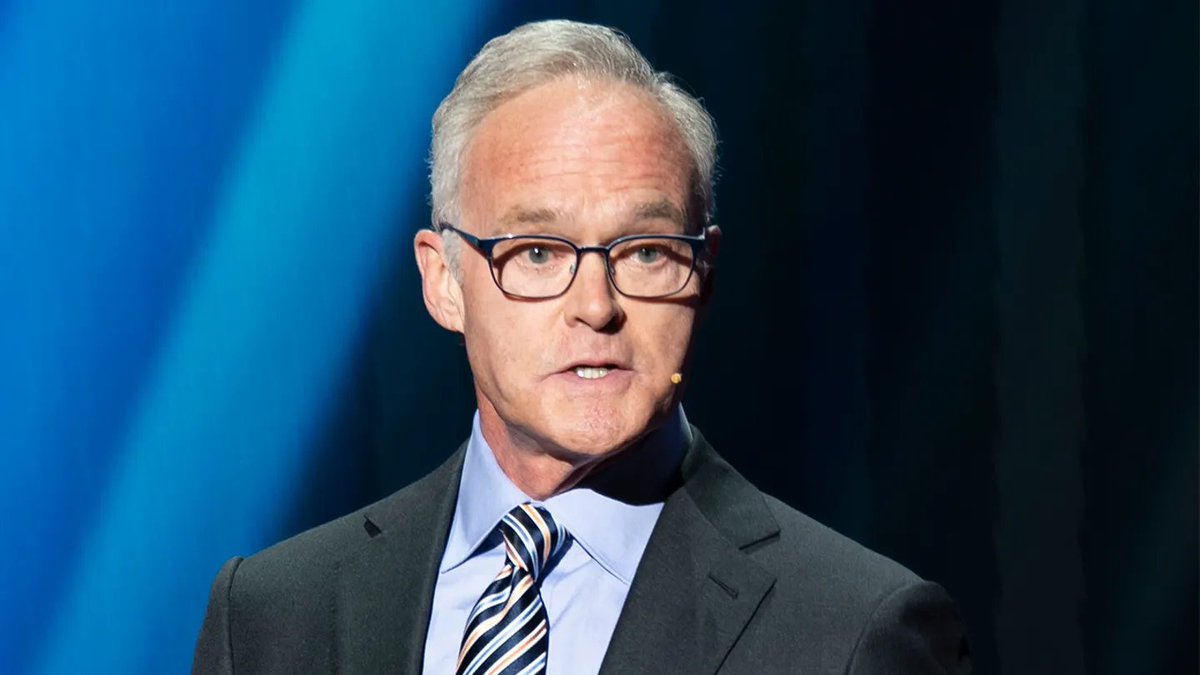
The current surge in online conversation stems from Scott Pelley’s abrupt departure from CBS’s flagship newsmagazine after he publicly accused network executives of compromising the program’s editorial independence. In the last 48 hours, Pelley issued a detailed statement alleging that recent leadership decisions—specifically the influence of new editorial voices such as Bari Weiss and Nick Bilton—had introduced what he described as “falsehoods and bias,” prompting his removal. CBS has not issued an official confirmation of the firing, but the network’s silence has fueled speculation that Pelley’s whistle-blowing comments crossed a line with management. The story exploded on X when clips of his remarks were paired with older footage of Pelley reporting from conflict zones, prompting both support from colleagues and sharp criticism from detractors questioning his past coverage. The combination of a high-profile exit, internal network drama, and partisan interpretations has driven the hashtag “Scott Pelley fired from 60 Minutes” into trending status today.
Common Perspectives
Loyalists See a Veteran Journalist Silenced for Speaking Out
Supporters argue that Pelley’s 22-year tenure and on-the-ground reporting give him unique standing to call out editorial drift. They contend that his willingness to label the changes as “murdering” the program’s standards shows the depth of his concern rather than an act of self-promotion.
Critics View the Exit as Long-Overdue Accountability
Detractors claim Pelley’s departure ends a period in which 60 Minutes tilted too far left, insisting that his framing of combat experience and subsequent public clash reveal an outsized ego unwilling to adapt to a shifting media landscape.
Colleagues Fear a Chilling Effect on Future Correspondents
Some current and former CBS staffers worry that Pelley’s fate will discourage others from questioning management, potentially narrowing the range of stories the program is willing to pursue.
Observers Outside the Network Dismiss the Story as Elite Media Infighting
A sizable segment of online commentary holds that the dispute matters little to everyday viewers, arguing that legacy programs like 60 Minutes have already lost cultural relevance to podcasts and independent creators.
A Different View
Rather than framing the episode as a simple clash between a veteran reporter and corporate oversight, consider how the rapid spread of the story itself illustrates a larger power shift: individual journalists can now leverage social platforms to bypass traditional PR gatekeepers, turning an internal personnel matter into an instant referendum on institutional trust. In this light, Pelley’s statement is less about preserving 60 Minutes and more about testing whether audience allegiance still resides with recognizable on-air figures or has migrated to decentralized commentary ecosystems.
Conclusion
Pelley’s exit arrives at a moment when both the program’s identity and the broader news industry are under pressure to redefine credibility. Whether the outcome strengthens or further fragments 60 Minutes remains to be seen, but the intensity of today’s online reaction underscores how quickly personnel decisions at legacy outlets can become proxy battles over the future of journalism itself.
Sources and discussion
These public posts were collected while researching this story. They provide context and reactions, but may not independently verify every claim.
View the original topic on XVoice of Reason
@hannon_jim
Fired CBS "60 MINUTES malcontent Scott Pelley faced everything from widespread mockery to stolen valor accusations after insisting he was "in combat" while covering war zones for CBS News.
Jun 4, 2026Ted Sikkink
@tedsikkink
STUNNING: Fired ’60 Minutes’ star Scott Pelley BLOWS WHISTLE on CBS execs for ‘falsehoods and bias’
Jun 4, 2026Lise Latulippe @liselatulippe.bsky.social
@lise_latulippe
Scott Pelley, the veteran CBS News correspondent fired this week after publicly accusing network leadership of "murdering" 60 Minutes, issued a formal statement Tuesday night detailing what he says drove him out — and the allegations are specific.
Jun 4, 2026Servant to Poo-bah the Cat
@PoobahTheCat
@awstar11 Everything Scott Pelley says is designed to mislead people. 60 Minutes will die now that it cannot call upon that skill.
Jun 4, 2026LifeisGood
@Itallturnedout
Will Lesley Stahl, Bill Whitaker Exit '60 Minutes' After Scott Pelley'/// They should, total libs woke fools.
Jun 4, 2026Alyssa Everett
@Alyssa_Everett
@HowardKurtz And I 100% believe Scott Pelley. He's been at 60 Minutes for 22 years with an exemplary record, including being embedded in combat units. Why would he all of a sudden go off the rails? Doesn't it make more sense that the new hires, Bari Weiss and Nick Bilton, are the problem?
Jun 4, 2026