

Gulf of America Controversy Ignites Social Media After Bad Bunny's Super Bowl Remarks
• From trending topic: Gulf of America
Summary
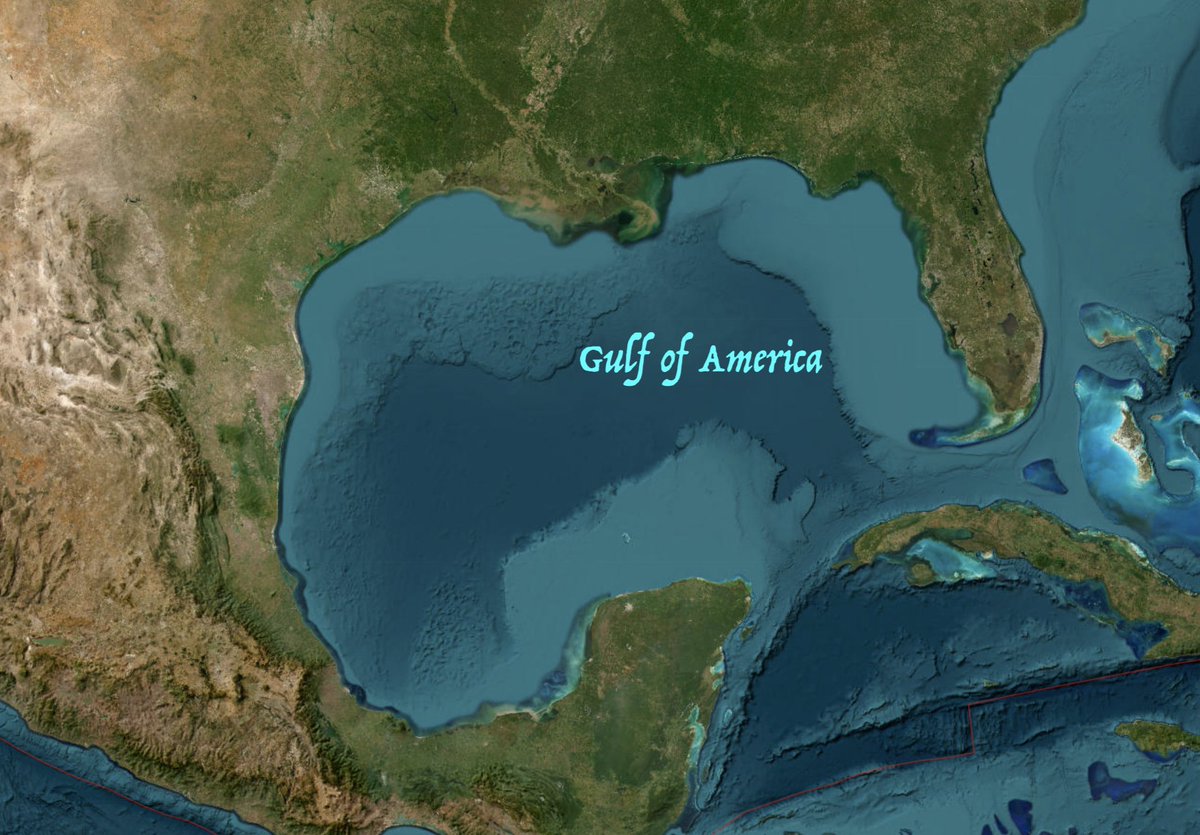
The "Gulf of America" is exploding as a trending topic on X following Puerto Rican superstar Bad Bunny's comments during the Super Bowl halftime show. In a moment that caught millions of viewers, Bad Bunny stated, "America is a continent, not a country," sparking immediate backlash from U.S. citizens who accused him of hypocrisy. Critics pointed to his past silence—or perceived acceptance—of renaming the Gulf of Mexico to the "Gulf of America," a proposal floated by former President Donald Trump to assert U.S. dominance over the waterway. This clash has fueled heated debates, with users resurfacing Trump's 2019-2020 push to rebrand the gulf amid trade tensions with Mexico, tying it directly to Bad Bunny's remarks. The trend surged today as clips of Bad Bunny's statement went viral, amassing thousands of posts under #GulfOfAmerica, blending immigration rhetoric, national identity disputes, and celebrity call-outs. Trump's original idea aimed to symbolize U.S. control, especially after Mexico's oil disputes, but it never officially changed—yet social media users are now wielding it as a weapon against Bad Bunny, questioning consistency in how "America" is defined geographically versus nationally.
Common Perspectives
Pro-Renaming: U.S. Sovereignty and No More "Bitching"
Supporters celebrate the "Gulf of America" as a bold assertion of American dominance, arguing it wards off foreign claims and ties into stricter immigration enforcement. Posts like "So no more bitching over Gulf of America. The United States of America is still a country. If you're here illegally, you will be deported" reflect this view, framing the rename as a patriotic win that silences critics like Bad Bunny.
Anti-Renaming: Historical Inaccuracy and Cultural Insensitivity
Opponents highlight the Gulf of Mexico's name dating back to 1550—over two centuries before the U.S. existed—and decry the rename as imperialistic. Tweets such as "It’s not ours to rename. The Gulf of Mexico has been called that since 1550 226 years before the U.S. became a nation" emphasize tradition, while others slam it as "stupid" since Mexico is part of the Americas, accusing proponents of "confidence and idiocy."
Hypocrisy Charge: Bad Bunny's Inconsistency on "America"
Many users blast Bad Bunny for flip-flopping, noting his lack of outcry over the Gulf rename despite now insisting "America" means the continent. Viral posts like "US citizens speak out and blast Bad Bunny... 'America is a continent not a country' until we changed the Gulf of Mexico to Gulf of America" use the trend to mock him, suggesting he only invokes continental identity when criticizing the U.S.
Semantic Debate: "America" as Continent vs. Country
A core divide questions if "America" encompasses both Americas, making "Gulf of America" logically fine or even neutral. Queries like "If America refers to all of the Americas… What’s the problem with re-naming the Gulf of Mexico the Gulf of America??" capture this, with some arguing opponents can't "have it both ways" when opposing the rename after continental claims.
Mockery of Opponents: Liberal Overreaction
Some dismiss critics as overly sensitive, referencing past complaints about the rename. Comments such as "Didn’t yall cry when they changed it to gulf of America 🤭. Liberals are so fucking retarded lmao" portray the backlash as inconsistent whining, especially post-Bad Bunny, positioning the Gulf name as a settled "win" for U.S. pride.
A Different View
While the debate rages over nationalism and semantics, few consider the Gulf of America's potential as a catalyst for genuine hemispheric unity. Imagine if the rename evolved into a collaborative "Gulf of the Americas," jointly managed by the U.S., Mexico, and other bordering nations for shared environmental protection—like combating oil spills or hurricanes—rather than unilateral control. Bad Bunny's continental stance could pivot this from division to diplomacy, pressuring leaders to redefine "America" inclusively through economic partnerships, turning a Twitter firestorm into a blueprint for cross-border cooperation that benefits trade, migration, and climate resilience.
Conclusion
The Gulf of America trend, supercharged by Bad Bunny's Super Bowl moment, exposes raw tensions over identity, history, and power in the Americas. As X users clash, it underscores how a single celebrity remark can resurrect policy proposals, blending pop culture with geopolitics—and hinting at deeper opportunities for dialogue amid the noise.
Sources and discussion
These public posts were collected while researching this story. They provide context and reactions, but may not independently verify every claim.
View the original topic on XWork Work Smile
@WorkWorkSmile
Its my turn now.. Teamspeak Discord 2xko Gulf of America
Feb 9, 2026BareNakedCrypto 🫐,
@BullNakedCrypto
So that's why he wanted to rename it gulf of America so nobody has rights to it but USA
Feb 9, 20269 likesAmanda
@Amandain360
@HumphriesMoe @TheModerateCase It’s not ours to rename. The Gulf of Mexico has been called that since 1550 226 years before the U.S. became a nation. And it’s definitely not the “Gulf of America,” no matter how badly Trump wants to act like it belongs to the U.S.
Feb 9, 20261 likesAmber
@AmberMadeThat
@Sassafrass_84 That’s why it’s now The Gulf of America.
Feb 9, 20261 repostsBob Fitzgerald
@FactsRBinary
@xruiztru So no more bitching over Gulf of America. The United States of America is still a country. If you're here illegally, you will be deported.
Feb 9, 20261 likesSean L.
@realjewplorable
Question: If America refers to all of the Americas… What’s the problem with re-naming the Gulf of Mexico the Gulf of America??
Feb 9, 20261 likes