

Iran Lifts Internet Restrictions After Months of Near-Total Blackout
• From trending topic: Iran Restores International Internet Access
Summary
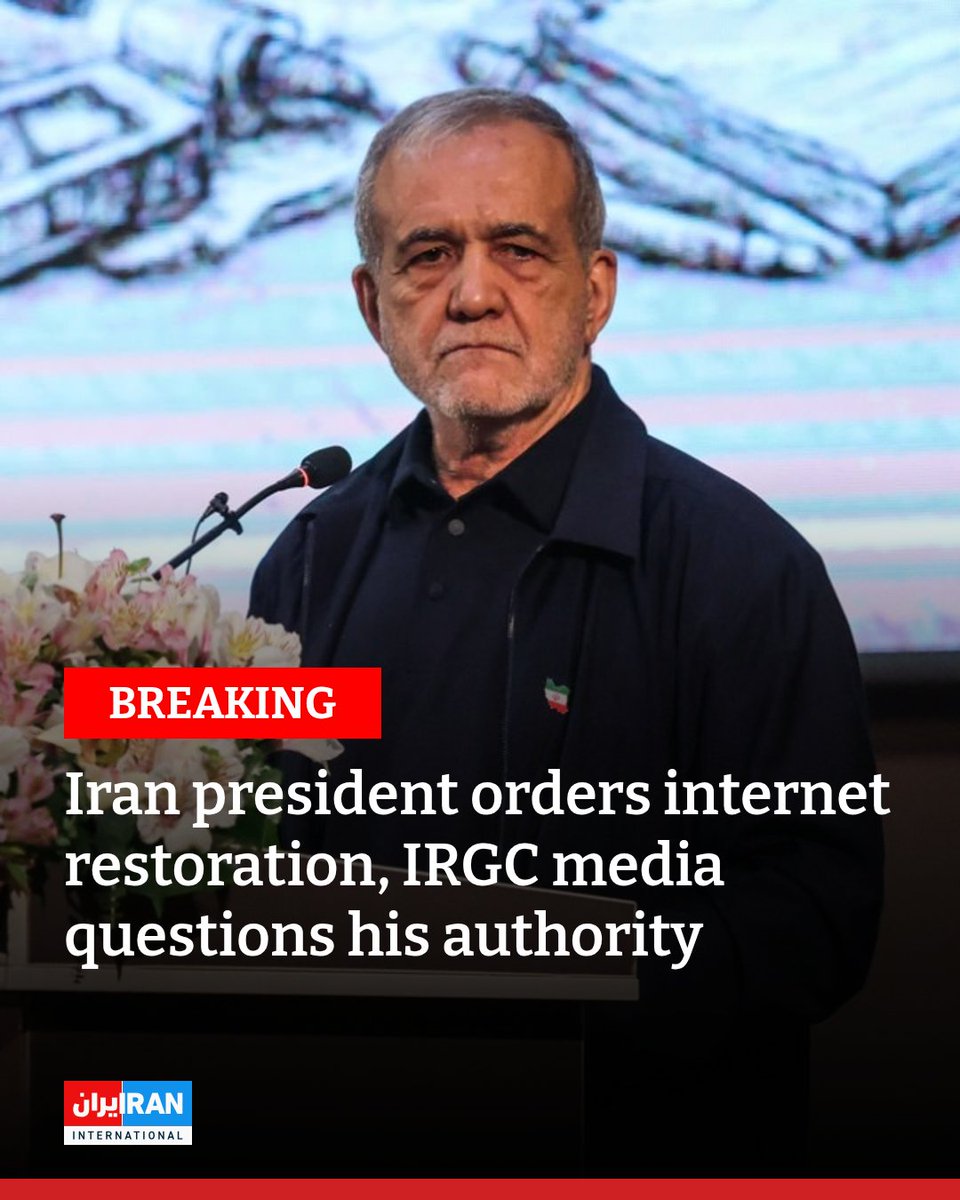
Right now, Iranian state media is reporting that President Masoud Pezeshkian has instructed the Ministry of Communications to restore international internet connections to their pre-January levels. The order follows a near-90-day period during which most Iranians were cut off from the global web after the conflict involving the United States and Israel. The ministry’s public-relations chief confirmed the directive today, but the IRGC-linked Fars News Agency immediately questioned whether the restoration is actually taking place, creating visible confusion inside Iran’s own information ecosystem. The sudden policy reversal is what pushed “Iran Restores International Internet Access” onto worldwide trending lists within hours.
Common Perspectives
Official Reassurance
State outlets present the move as evidence that the government is responding to citizens’ hardships and is committed to gradually reopening digital lifelines that were throttled during the recent hostilities.
Security-First Skepticism
Hard-line voices, especially those aligned with the Islamic Revolutionary Guard Corps, argue that any broad reopening risks foreign influence operations and could undermine the security measures put in place after the conflict, urging tighter, selective access instead.
Public Frustration Over Mixed Messages
On social platforms, everyday Iranians point to the contradictory statements coming from different agencies and worry that promised connectivity may be delayed, partial, or quickly reversed again depending on political winds.
Regional Ripple-Effect Concerns
Outside analysts note that restored access could ease pressure on neighboring countries that saw secondary disruptions in oil-supply logistics and trade talks once Iran’s networks went dark, potentially stabilizing crude markets and diplomatic channels.
A Different View
Rather than framing the episode solely as a tug-of-war between “open” and “closed” internet policies, consider how the blackout itself may have accelerated Iran’s long-discussed “national information network.” With global platforms unavailable, domestic apps and intranets saw record adoption; some technologists now wonder whether the partial reopening will be engineered to keep users inside that parallel ecosystem, effectively turning restored international access into a controlled on-ramp rather than a true return to the open web.
Conclusion
Today’s announcement marks a pivotal, if still uncertain, turn in Iran’s post-conflict information landscape—one whose final scope will be determined less by presidential directives alone than by the tug-of-war among security institutions, the public, and the technological rails that have been built during the blackout.
Sources and discussion
These public posts were collected while researching this story. They provide context and reactions, but may not independently verify every claim.
View the original topic on XIran International English
@IranIntl_En
Iran’s President Masoud Pezeshkian has ordered the Ministry of Communications to restore international internet access to its pre-January status, the ministry’s public relations chief said, according to Iranian state media. The IRGC-affiliated Fars News earlier questioned the
May 25, 2026138 likes45 repostsAlex kennedy
@Alexkennedy213
Iran’s President Masoud Pezeshkian has ordered the Ministry of Communications to restore international internet access to its pre-January status, the ministry’s public relations chief said, according to Iranian state media. The IRGC-affiliated Fars News earlier questioned the
May 25, 2026Av Aleksandr
@abbaleksandr
Iran’s President Masoud Pezeshkian has issued an order to reopen international internet access, Iranian state media reported on Monday, citing an official after a near-90-day blackout in the wake of the war against US and Israel. The report cited the head of public relations at
May 25, 2026ASIA ONE NEWS
@AsiaOne_News
May 25 - Iran's President Masoud Pezeshkian has issued an order to reopen international internet access, Iranian state media reported on Monday, citing an official. The report cited the head of public relations at Iran’s Communications Ministry. Most Iranians have been unable
May 25, 2026Global Counter Terrorism🚨🆘🚨
@RemusGlobal
🔴⬇️ Iran’s President Masoud Pezeshkian has ordered the Ministry of Communications to restore international internet access to its pre-January status, the ministry’s public relations chief said, according to Iranian state media. The IRGC-affiliated Fars News earlier questioned
May 25, 2026Dubon007
@gdubon007
U.S. & International Relations U.S. Secretary of State Marco Rubio visited India to mend trade ties and discuss disrupted crude oil supplies amidst U.S. and Iranian blockades in the Middle East. #News
May 27, 2026