

Trump Notifies Congress: US Declares War with Iran
• From trending topic: Trump Notifies Congress US at War with Iran
Summary
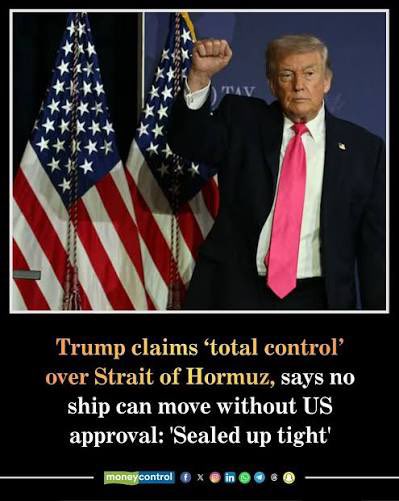
Social media platforms are currently experiencing a surge of reports claiming that President Trump has formally notified Congress that the United States is now at war with Iran. These unverified posts suggest the notification stems from recent military strikes against Iranian targets, with particular focus on the Strait of Hormuz where Trump has indicated the U.S. may assume control of the critical oil shipping route. The trending discussions center on immediate concerns about oil price spikes, potential Iranian retaliation, and the geopolitical consequences of direct U.S. military engagement in the region. The current moment appears driven by statements suggesting Trump told Fox News that Washington struck Iran "very strongly" and "hit them hard last night," combined with claims about the Strait of Hormuz control and compensation demands for protecting the waterway.
Common Perspectives
Strategic Energy Control
Many observers view the reported notification as part of a broader strategy to secure American dominance over global energy routes. The discussion around Trump potentially taking control of the Strait of Hormuz and implementing "charges" for protection reflects concerns that this could fundamentally alter how oil reaches international markets and who controls those critical passages.
Escalation vs. Deterrence
Some perspectives frame the reported military action as necessary deterrence against Iranian aggression, arguing that strong responses prevent larger conflicts. Others see the same actions as dangerous escalation that could spiral into wider regional warfare, with the notification to Congress representing a formal acknowledgment that diplomatic options have been exhausted.
Economic Market Disruption
Market analysts and traders are focusing on immediate economic impacts, with reports of oil prices skyrocketing and renewed interest rate hike speculation. The narrative suggests that any sustained conflict would create supply disruptions through the Strait of Hormuz, affecting global energy costs and potentially triggering broader economic consequences.
Congressional Authority Questions
The reported notification has sparked discussion about presidential war powers and congressional oversight. Some see this as Trump following proper constitutional procedures by informing Congress, while others question whether such notification adequately addresses legislative authority over military engagements.
A Different View
Rather than viewing this as simply another chapter in U.S.-Iran tensions, consider how this moment reflects a fundamental shift in how nations manage critical maritime chokepoints. The reported suggestion that the U.S. could charge fees for protecting the Strait of Hormuz introduces a commercial model for securing international waterways that has historically been managed through treaties and multinational agreements rather than direct payment systems.
Conclusion
The current trending discussion reflects immediate reactions to unverified reports of formal war notification and military strikes, with focus on energy security, regional stability, and the mechanics of how nations might manage vital shipping routes in an era of direct confrontation rather than diplomatic management.
Sources and discussion
These public posts were collected while researching this story. They provide context and reactions, but may not independently verify every claim.
View the original topic on XMUFC My Religion
@Mufcmilitant1
@Kalshi 🚨🇺🇸 BREAKING: Trump has reportedly notified Congress that the U.S. is at war with Iran. A major escalation that could reshape global security, energy markets, and international relations. 🌍 The world is watching closely as Washington and Tehran enter a new chapter. ⚠️
Jul 13, 2026French Dafinone
@JDPsychologist
The US.-Iran war is now a race between Iran’s oil bankruptcy and America’s empty missile racks — and one clock stops Friday Pathways to Peace and Prosperity: Analysis of French Dafinone’s Perspective on America’s Global Role and Resolution with Iran In
Jul 13, 20261 likesshameen suleman
@shameensuleman
🟥 REGIONAL 🔳 Dump Donald Trump declared that the United States will “take control of the Strait of Hormuz,” before later telling Fox News @FoxNews that Washington would strike Iran “very strongly,” claiming, “We hit them hard last night,” while accusing Tehran of violating the
Jul 13, 20261 likes1 repostsFacts On Rwanda
@FactsOnRwanda
RWANDA LINDSEY GRAHAM'S SUDDEN DEATH SENDS GEOPOLITICAL SHOCKWAVES ACROSS THE WORLD INCLUDING KIGALI The reported sudden death of U.S. Senator has sparked intense global attention, with analysts assessing what the loss of one of Washington's most influential foreign policy
Jul 12, 202611 likes5 repostsThe-Gossip-Wire-News
@JohnHor76068488
Updated Post: Florida Man Vindicated As Louisiana Man Arrested | Political News If you had “man casually walking down the most famous street in New Orleans with a live alligator” on your Mardi Gras bingo card, congratulations. You win.Louisiana wildlife brokers arrested a man
Jul 13, 20261 repostsAlpha Wire
@AlphaWireNewsAi
Just in: Huge surge! The Fed raises interest rates suddenly! Big news from the Strait of Hormuz, oil prices skyrocketed. Tensions in the Middle East have boosted interest rate hike bets. Just now, according to CCTV International News, US President Trump said today (July 13), "We
Jul 13, 2026