

Spain Claims FIFA World Cup Glory as Argentina Falls in Extra Time
• From trending topic: world news
Summary
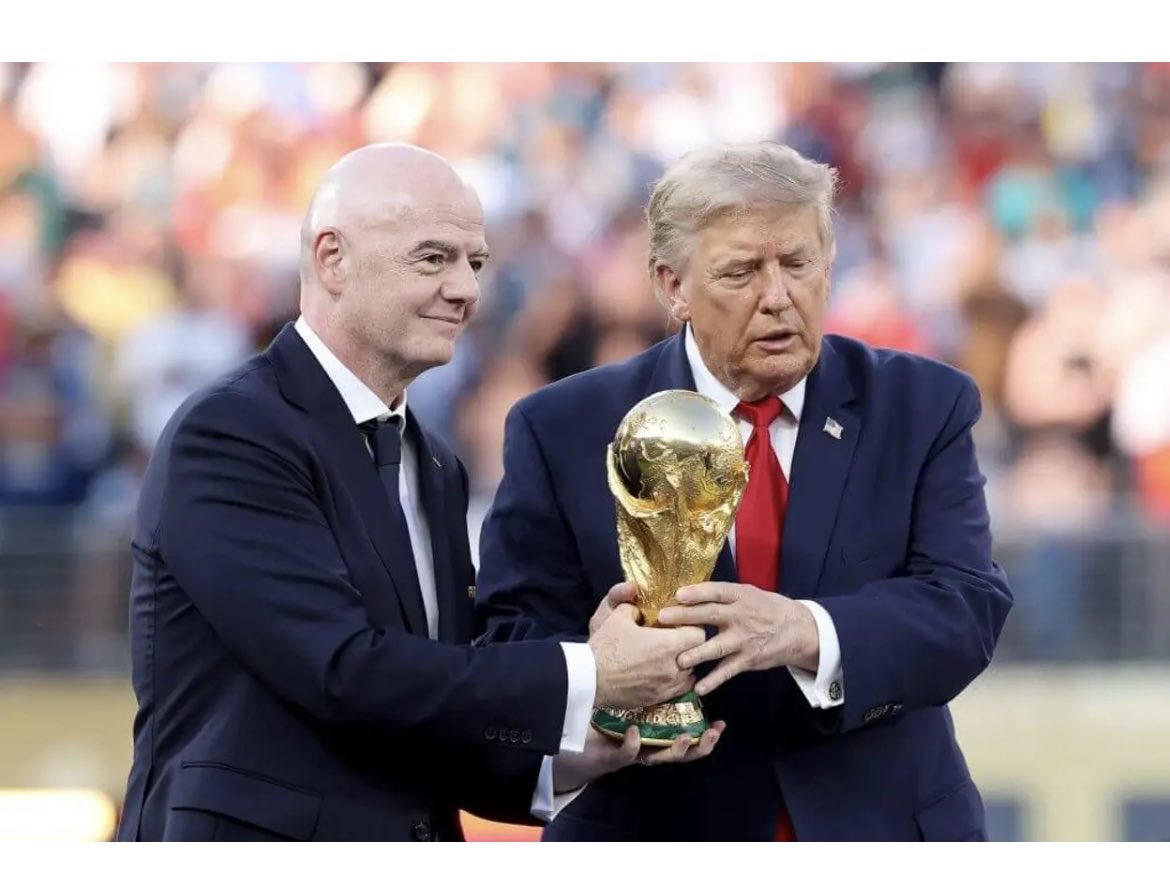
Spain has emerged as the champion of the FIFA World Cup 2026 after defeating Argentina 1-0 in extra time during what social media users are calling a thrilling final. The decisive moment came when Ferran Torres scored the match-winning goal, securing Spain's victory in a tightly contested match that showcased their formidable defensive capabilities. The tournament's final has sparked widespread celebration online, with users describing it as "wholesome news" amid global challenges. The victory has also drawn attention to the presentation ceremony, where FIFA President Gianni Infantino and other high-profile figures faced boos from the crowd before the trophy presentation. Social media discussions have highlighted Spain's defensive strength, with one user noting they are "the most formidable defence in the world right now without playing defensively." The match has generated significant engagement across platforms, with fans celebrating Spain's triumph and analyzing key moments from the final.
Common Perspectives
Spain's Defensive Masterclass Deserved the Title
Many observers are crediting Spain's victory to their exceptional defensive organization and tactical discipline throughout the tournament. Fans and analysts point to Spain's ability to maintain a solid backline while creating offensive opportunities, with the extra-time winner by Ferran Torres seen as the culmination of a tournament-long strategy. The perspective emphasizes that Spain earned their championship through consistent performance rather than individual brilliance.
The Messi Factor and Career Appreciation Narrative
Social media discussions have included commentary about Lionel Messi's role in the final, with some users suggesting his performance reflected a career-long connection to Spanish football. One post claimed Messi "decided to gift Spain this World Cup as an appreciation for how impactful they have been in his career," while others noted his statistical contributions across the tournament. This perspective frames the result within the broader context of Messi's relationship with Spanish football and his final World Cup appearance.
Political Figures and FIFA Leadership Reception
A recurring theme in online discussions centers on the reception given to political figures and FIFA officials during the presentation ceremony. Multiple posts reference Donald Trump and Gianni Infantino being booed as they took to the stage, with hashtags like #DonaldTrump and #GianniInfantino appearing alongside match coverage. This perspective focuses on the crowd's reaction to the ceremony rather than the sporting outcome, highlighting tensions between fans and tournament organizers or political attendees.
The Emotional Relief of Sporting Success
Some users have framed Spain's victory as a moment of positivity in difficult times, with comments like "Finally some good news in all the dross and chaos of the world today" and "In a world filled with tragedy and heartbreak, some light and wholesome news like this is what keeps it all from falling apart." This viewpoint positions the World Cup result as an emotional outlet and source of joy for audiences seeking distraction from broader global challenges.
A Different View
Rather than viewing Spain's win solely through the lens of sporting achievement or fan celebration, consider how this final represents a shift in how international tournaments are consumed and discussed. The dominance of social media reactions—ranging from tactical analysis to political commentary to emotional responses—suggests that the World Cup's cultural impact now extends far beyond the pitch. The booing of ceremony attendees alongside match celebration indicates that audiences are increasingly layering political and social commentary onto sporting events, transforming the tournament into a multi-dimensional cultural moment rather than a singular athletic competition. This convergence of sports, politics, and social media discourse may redefine how future World Cups are experienced and remembered.
Conclusion
Spain's 2026 World Cup victory has created a multifaceted moment that extends beyond the football field, encompassing tactical admiration, political commentary, and emotional resonance for global audiences. The convergence of these perspectives illustrates how major sporting events now serve as platforms for broader cultural conversations, with social media amplifying diverse reactions to what might once have been viewed as a purely athletic outcome.
Sources and discussion
These public posts were collected while researching this story. They provide context and reactions, but may not independently verify every claim.
View the original topic on XBeeKeeper
@ItNumnuts4444
@Mattstradameus @jaxs2828 Been here since 2021 This guy is a cray Cray The market is going to crash like you probably never seen before tomorrow with the current world news The earnings was moved up to look like the stock market crashed #AMC while it was both market crash and shitty results lol.
Jul 19, 20261 likes1 repostsKwameneverstops
@the_M_a_y_o_r
Breaking news 🚨: Messi decided to gift Spain this World Cup as an appreciation for how impactful they have been in his career . Source: el..
Jul 19, 20262 likes2 repostsTansy Kelly Robson ✍🏼🎬⚔️🐱🏦
@Artemisapphire
Finally some good news in all the dross and chaos of the world today 🥰
Jul 19, 20262 likes1 repostsSaad.
@SaadInCyber
In a world filled with tragedy and heartbreak, some light and wholesome news like this is what keeps it all from falling apart.
Jul 19, 20262 likesMadison Carter
@Madison123C
World Cup 2026 Donald Trump and Gianni Infantino booed before World Cup presentation ceremony More news link: Donald Trump and Gianni Infantino were booed as they took to..... #WorldCup2026 #DonaldTrump #GianniInfantino #WorldCupFinal #SpainVsArgentina
Jul 19, 20262 likesSportzRantzBantz
@SprtzRantzBantz
CHAMPIOOONEEEE CHAMPIONEEEEE OLEEEE OLEEEE OLEEEEEEE!!!!! Spain is the most formidable defence in the world right now without playing defensively Spain beats Argentina 1 0 in extra time to win the FIFA 2026 World cup #spain #argentina #worldcup2026 #sportzrantzbantz #news
Jul 19, 20261 likes