

Hezbollah's 100-Rocket Barrage Targets Israel, Tests Limits of Iron Dome Defense
• From trending topic: Hezbollah launches 100 rockets at Israel, overwhelming Iron Dome
Summary
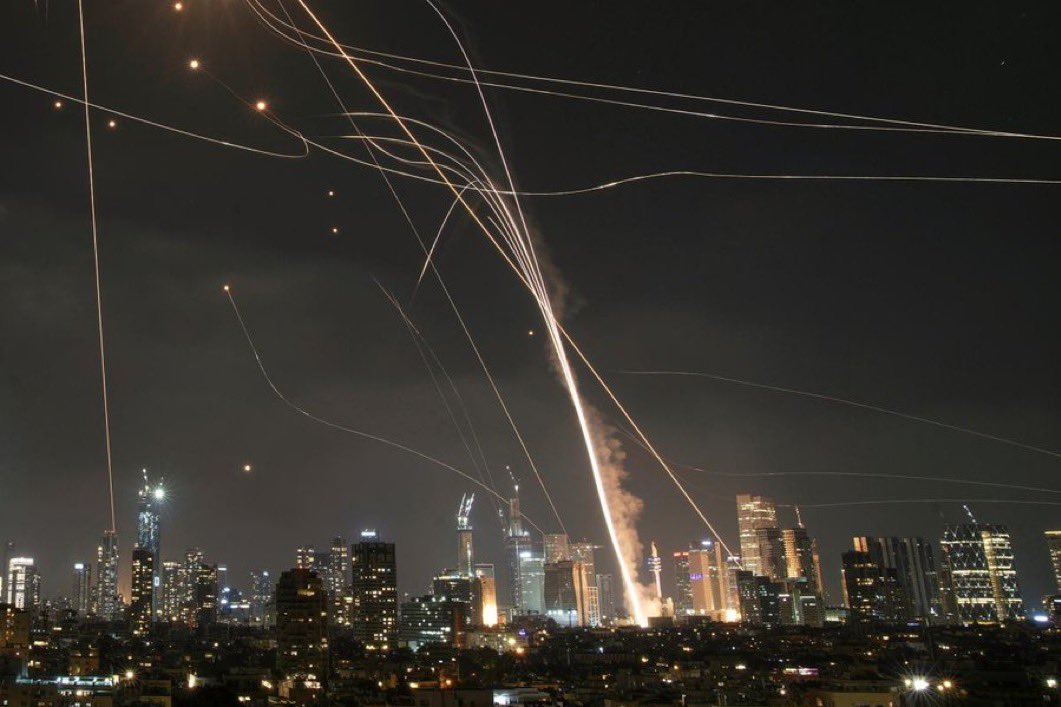
Hezbollah has launched approximately 100 rockets toward northern Israel in a sudden escalation, with reports indicating the barrage overwhelmed sections of Israel's Iron Dome air defense system. This attack, which trended rapidly on X following a breaking news post that garnered immediate attention despite starting with zero likes, marks a sharp intensification of cross-border hostilities. The volley targeted military sites and communities in northern Israel, prompting sirens, shelter alerts, and limited interceptions as the system struggled under the volume of incoming fire.
This is trending today due to the real-time buzz on social media platforms like X, where users are sharing unverified footage, eyewitness accounts, and rapid analyses of the event's implications. The specific trigger was a viral "🚨 BREAKING" alert detailing the rocket count and Iron Dome's reported overload, sparking debates on escalation risks amid ongoing regional tensions. Key details include Hezbollah claiming the strikes as retaliation for Israeli operations in Lebanon, with Israeli officials confirming impacts in areas like the Galilee region and vowing a response. Casualty reports remain unconfirmed at this stage, but the scale of the launch—described as one of the largest single salvos in recent exchanges—has fueled global online discourse on defense vulnerabilities and potential for wider conflict.
Common Perspectives
Hezbollah's Retaliatory Power Play
Supporters of Hezbollah view the launch as a successful demonstration of military capability, arguing it exposes weaknesses in Israel's defenses and forces a recalibration of strategies. They highlight the sheer volume of rockets as evidence of Hezbollah's readiness to sustain pressure.
Israeli Resilience Under Fire
From an Israeli standpoint, the event underscores the effectiveness of Iron Dome despite overloads, emphasizing that most threats were neutralized and no major casualties occurred. Advocates stress Israel's right to robust countermeasures against such aggression.
Call for International De-escalation
Many neutral observers and diplomats express alarm over the escalation, urging UN mediation and ceasefire talks to prevent a broader war. They point to the rocket barrage as a dangerous threshold that could draw in regional powers.
Strategic Concern for Iron Dome's Limits
Defense analysts and military watchers focus on the technical angle, discussing how saturation attacks challenge even advanced systems like Iron Dome, potentially signaling a need for enhanced multi-layered defenses or allied support.
Regional Escalation Inevitability
Some commentators frame this as part of an inevitable cycle tied to larger geopolitical rivalries, including Iran-Israel tensions, predicting more volleys unless underlying conflicts like those in Gaza are resolved.
A Different View
While much discussion centers on immediate military tactics and retaliation cycles, a less-explored angle is the barrage's role in psychological information warfare via social media. Hezbollah's timing—coinciding with peak online hours—appears designed to amplify unverified claims of "overwhelming" Iron Dome through viral posts, potentially eroding public confidence in Israel's defenses faster than physical damage. This digital-first strategy could reshape hybrid warfare, where trending narratives on platforms like X influence alliances and investments more than battlefield outcomes.
Conclusion
Hezbollah's 100-rocket assault has not only tested Israel's Iron Dome but ignited a firestorm of online debate, revealing deep divisions in how the world interprets these flashpoints. As responses unfold, the event highlights the fragile balance between defense tech, militant resolve, and global connectivity in shaping tomorrow's conflicts.
Sources and discussion
These public posts were collected while researching this story. They provide context and reactions, but may not independently verify every claim.
View the original topic on X