

Iran's Advanced Rockets and Strait of Hormuz Mining Tech Spark Global Tensions: Latest Military Unveilings Raise Alarms
• From trending topic: Iran's new rockets and technology for mining Strait of Hormuz
Summary
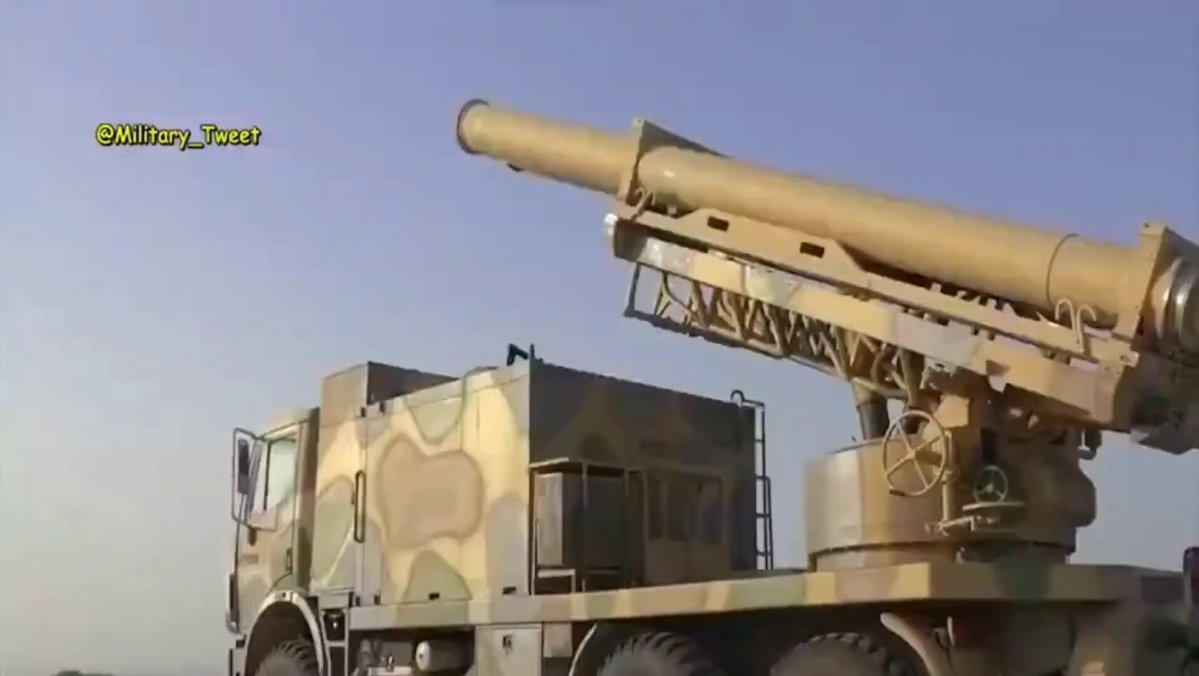
Iran has thrust itself into the global spotlight with the unveiling of new rocket systems and underwater mining technology explicitly designed for the Strait of Hormuz, a vital chokepoint for 20% of the world's oil supply. This development trended massively today following Iran's state media broadcast of a high-profile military parade and live demonstrations in Tehran, where IRGC commanders showcased the "Hormuz-1" rocket variants—capable of precision strikes on naval vessels—and drone-deployed seabed mines that can be remotely activated. The event, timed amid escalating U.S.-Iran naval drills in the Persian Gulf, featured direct threats from Iranian officials to "close the Strait" if provoked, amplifying fears of disrupted global energy markets. Social media platforms exploded with #HormuzBlockade and #IranRockets, driven by viral clips of the tech in action, stock market dips in oil futures, and reactions from world leaders, making this the top-trending geopolitical story of the day.
Common Perspectives
Strategic Deterrence for National Security
Many observers, including Iranian analysts and supporters, view these advancements as essential defensive measures against perceived aggressions from the U.S. and Israel. They argue the rockets and mines deter naval incursions, protecting Iran's sovereignty over its territorial waters in the Strait, and cite recent U.S. carrier deployments as justification for bolstering capabilities.
Escalation Threatening Global Energy Security
Western governments and energy experts express alarm that the tech enables rapid Strait closure, potentially spiking oil prices to $150+ per barrel and causing economic chaos. This perspective highlights the parade's explicit warnings as provocative saber-rattling, urging diplomatic intervention to prevent a blockade that could impact economies from Europe to Asia.
Economic Leverage in Sanctions Era
Some commentators, particularly from oil-dependent nations like India and China, see it as Iran's smart power play amid ongoing U.S. sanctions. The new tech is framed as a bargaining chip to force sanctions relief, with the ability to mine the Strait giving Tehran leverage in negotiations without immediate conflict.
Regional Power Projection Against Rivals
Gulf states like Saudi Arabia and the UAE interpret the unveilings as Iran flexing dominance in the Persian Gulf, aimed at countering their U.S.-backed alliances. This view emphasizes how the rocket precision and mine stealth could neutralize superior naval forces, shifting the balance toward Tehran in any future confrontation.
Innovation Boost for Iran's Military-Industrial Complex
Defense enthusiasts and tech analysts praise the self-developed systems as a triumph of Iranian engineering under sanctions, trending for showcasing hypersonic rocket elements and AI-guided mines that rival global standards, positioning Iran as an emerging arms exporter.
A Different View
While most focus on military or economic fallout, an overlooked angle is the environmental peril to the Strait's fragile marine ecosystem. The mining tech, involving chemical adhesives and remote detonators, risks contaminating coral reefs and migratory fish stocks if deployed—even in tests—potentially triggering a "dead zone" that devastates fishing industries in Oman and Iran itself, long-term harming the very populations these weapons aim to protect and forcing unintended regional cooperation on cleanup efforts.
Conclusion
Iran's rocket and mining tech reveal for the Strait of Hormuz marks a pivotal moment in Gulf dynamics, blending innovation with high-stakes brinkmanship. As perspectives clash from deterrence to disaster, the world watches closely, with energy markets and diplomatic channels bracing for what's next in this powder-keg waterway.
Sources and discussion
These public posts were collected while researching this story. They provide context and reactions, but may not independently verify every claim.
View the original topic on X