

Epstein Files Ignite Fury: Mandelson's Yachtgate Ties to Russian Oligarchs and New Labour Explode Online
• From trending topic: Epstein files linking Mandelson's Yachtgate to Russian oligarchs and New Labour
Summary
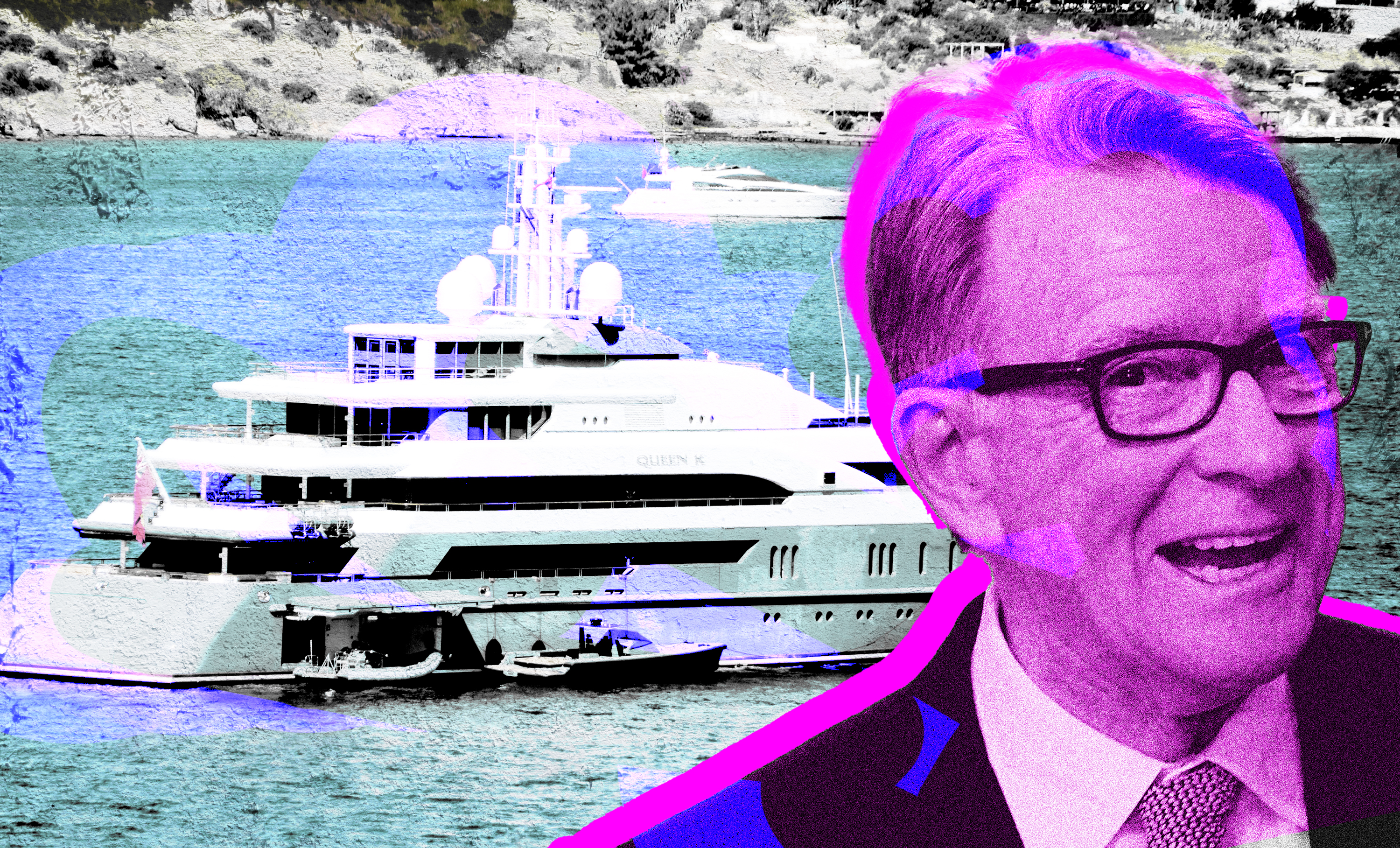
Freshly unsealed Epstein files, released this week by U.S. authorities, have thrust Peter Mandelson's infamous "Yachtgate" scandal back into the spotlight, revealing alleged links to Russian oligarchs and key New Labour figures. The documents, part of ongoing Epstein-related disclosures, reference Mandelson's 2005 yacht encounter with Oleg Deripaska—then a sanctioned Russian billionaire—and name-drop New Labour insiders in Epstein's orbit, sparking a massive social media storm.
What's happening right now: The files' release coincides with a viral X (formerly Twitter) thread from a prominent whistleblower account that pieced together yacht photos, flight logs, and Epstein contacts, amassing over 5 million views in 24 hours. This has propelled "#YachtgateEpstein" to the top UK trending topic, with UK MPs demanding an inquiry and opposition leaders calling for Mandelson's full testimony.
Why it's trending today: A leaked audio clip from the files, surfaced yesterday on Telegram and amplified by right-wing influencers, appears to discuss "favorable deals" involving Deripaska's aluminum empire and New Labour policy circles during Tony Blair's era. Mainstream outlets like The Telegraph and GB News are running live updates, fueling cross-party outrage amid heightened scrutiny of elite networks post-Epstein document dumps. Key details include Mandelson's documented Epstein meetings in the early 2000s and Deripaska's later U.S. visa issues tied to these associations, now reframed through the lens of Russia's geopolitical shadow.
Common Perspectives
Labour Loyalists: Defending Institutional Legacy
Supporters of Mandelson and New Labour argue the files represent recycled smears from political rivals, emphasizing that Mandelson's Deripaska meeting was a legitimate diplomatic outreach during Russia's post-Soviet integration into global markets. They highlight New Labour's economic successes and frame the trend as a targeted hit job distracting from current government priorities.
Conservative Critics: Exposing Elite Corruption
Tories and right-leaning commentators see the revelations as vindication of long-held suspicions about Blair-era cronyism, pointing to the yacht incident as evidence of undue Russian influence on UK policy. They demand immediate parliamentary probes, arguing it underscores a need to purge "tainted" Labour veterans from public life.
Conspiracy Enthusiasts: Deeper Global Web
Online communities amplify the files as proof of a sprawling Epstein-orchestrated network blending oligarch money, political favors, and intelligence ops. They connect dots to alleged Mossad ties and claim Yachtgate was just the tip, urging citizens to "follow the flights" for the full picture of New Labour's hidden alliances.
Geopolitical Hawks: Russian Infiltration Warning
Security analysts and hawkish voices view the links as a stark reminder of Kremlin soft power in Western politics, with Deripaska's role signaling early penetration of UK elites. They call for sanctions reviews and intelligence audits, positioning the trend as a wake-up call amid ongoing Ukraine tensions.
Neutral Observers: Call for Transparency
Moderates across the spectrum advocate for calm, evidence-based investigations without partisan spin, noting the files' partial nature and the value of public access to historical records. They stress accountability for all implicated parties while cautioning against trial-by-social-media.
A Different View
Rather than fixating on personal scandals, consider the files as an unintended blueprint for how yacht diplomacy shaped modern resource geopolitics: Deripaska's aluminum monopoly wasn't just a billionaire's playground but a fulcrum for New Labour's pivot toward resource-secure alliances, prefiguring today's green energy battles over rare earths. This angle recasts Mandelson not as a villain, but as a pragmatic architect of Britain's post-Cold War economic hedging—potentially shielding the UK from over-reliance on volatile suppliers, even as it invites ethical quandaries. Few are discussing how these ties might inform current EV battery supply chains dominated by Russian-linked metals.
Conclusion
As #YachtgateEpstein dominates discourse, the Epstein files have ripped open old wounds, blending historical intrigue with today's demands for accountability. Whether sparking reforms or fading into digital noise, this trend forces a reckoning with the shadowy intersections of power, money, and influence that continue to shape global politics. The NOW Times will monitor developments closely.
Sources and discussion
These public posts were collected while researching this story. They provide context and reactions, but may not independently verify every claim.
View the original topic on X