

Epstein Survivors Speak Out as Trump Faces Backlash Over Refusal to Release More Files
• From trending topic: Epstein survivors speaking out against Trump
Summary
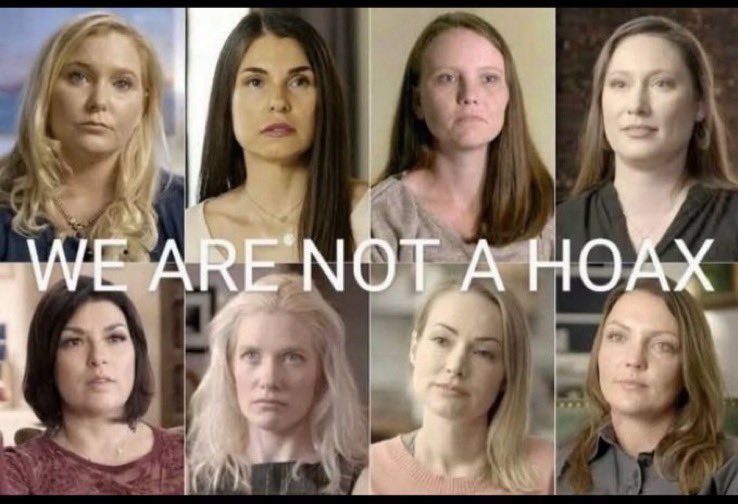
Epstein survivors are dominating social media discussions on X, particularly trending under "Epstein survivors speaking out against Trump," following a series of recent developments tied to the Trump administration's handling of Jeffrey Epstein-related documents. The surge began with announcements that no additional files would be released, accompanied by heavy redactions and blacked-out sections in the latest batches made public. This decision has fueled outrage, amplified by Kash Patel—a key figure associated with Trump—publicly stating that Epstein did not operate a sex trafficking ring. Adding to the fire, Trump himself remarked, "Are we still talking about Epstein?" in a recent interview, which many interpreted as dismissive. Survivors and advocates have responded forcefully, accusing the administration of protecting powerful figures and halting transparency. These statements, combined with viral X posts garnering thousands of likes and shares, have propelled the topic to the top trends today, marking a sharp escalation in public scrutiny over unresolved Epstein connections and demands for full disclosure.
Common Perspectives
Survivors Demand Full Transparency
Many survivors and their supporters view the refusal to release more files and the heavy redactions as a deliberate cover-up, arguing it silences victims and shields implicated elites. They point to Patel's denial of a sex trafficking operation as gaslighting, urging immediate unredacted releases to deliver justice.
Trump Supporters See Political Weaponization
Backers of Trump frame the trending backlash as a coordinated attack by political opponents to tarnish him ahead of key events. They highlight Trump's past calls for Epstein investigations and dismiss survivor criticisms as recycled smears, emphasizing that ongoing discussions distract from current priorities.
Skeptics Question Official Narratives
A vocal group expresses distrust in both government releases and Patel's claims, noting the black ink obscures critical details. They argue the "no more files" stance raises suspicions about what remains hidden, regardless of administration, and call for independent oversight.
Media Critics Blame Sensationalism
Some observers criticize the trend as media-driven hype on X, where partial quotes like Trump's "Are we still talking about Epstein?" are taken out of context. They contend it revives old stories without new evidence, prioritizing clicks over substantive progress on survivor issues.
Legal Advocates Push for Accountability
Legal experts and activists focus on the procedural aspects, arguing that redactions violate public interest and survivor rights. They reference Patel's statements as undermining established court findings on Epstein's network, advocating for congressional probes into the decision-making process.
A Different View
While the spotlight fixates on Trump and Patel's recent comments, a less-discussed angle emerges from the survivors' own platforms: their frustration stems not just from this administration, but from a bipartisan pattern of stalled releases dating back years across multiple offices. This perspective posits that the trend reveals a deeper systemic inertia in U.S. institutions—where promises of transparency from figures like Trump in 2019 contrast sharply with today's halt—potentially uniting survivors against entrenched bureaucracy rather than pitting them against one politician. It suggests the real momentum could build if advocates pivot to pressuring non-partisan bodies like federal courts for unsealed records, turning viral outrage into structural reform.
Conclusion
As Epstein survivors' voices amplify online, the clash over withheld files, redactions, and pointed statements from Trump allies underscores a pivotal moment in the quest for accountability. With X trends reflecting raw public sentiment, the coming days may determine whether this sparks concrete action or fades into partisan noise, leaving survivors' calls for truth hanging in the balance.
Sources and discussion
These public posts were collected while researching this story. They provide context and reactions, but may not independently verify every claim.
View the original topic on X