

Cambodia and Thailand Open UN Conciliation on Gulf Claims
• From trending topic: Cambodia and Thailand Begin UN Conciliation on Gulf Maritime Dispute
Summary
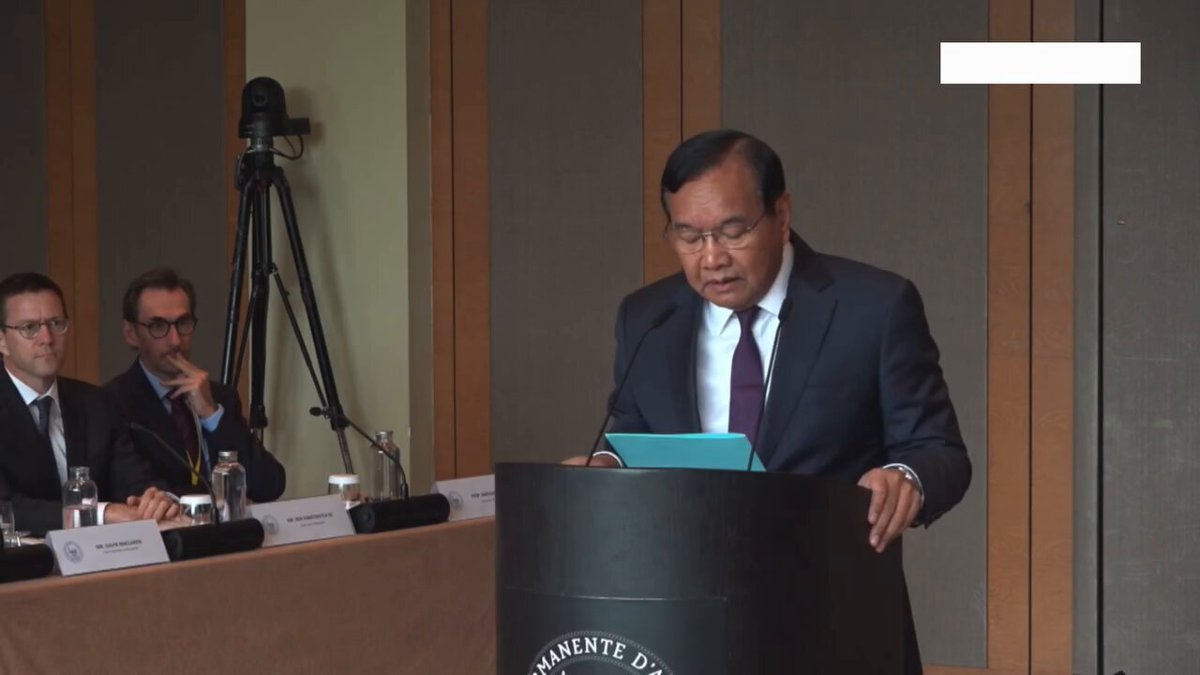
Cambodia and Thailand have begun United Nations-backed conciliation on their maritime dispute, Reuters reports. Cambodian Foreign Minister Prak Sokhonn delivered an opening statement at the first meeting of the Conciliation Commission, according to a post from Cambodian official Pheak Traneth.
The Phnom Penh Post reports that Cambodia invoked the compulsory conciliation mechanism under the UN Convention on the Law of the Sea and that Sokhonn urged Thailand to participate fully. The Bangkok Post separately reports Thailand's position that Koh Kut is outside the process. These accounts establish the start of proceedings and the positions being presented, not a settlement or an agreed boundary. The following perspectives examine the choices involved rather than report a survey of public reactions.
Common Perspectives
A formal route for an unresolved dispute
A structured procedure gives the governments a place to explain their claims and respond to each other. Cambodia's call for full participation makes engagement an immediate test. The value of that route depends on what the parties do within it, rather than the fact that an opening meeting occurred.
The scope of the talks matters
Thailand's reported position on Koh Kut raises a practical question: which issues can the process address? Setting limits may make participation politically possible, but incompatible understandings of the agenda could also restrict progress. The retained reporting does not establish that the parties have agreed on those limits.
Judge outcomes separately from participation
Attending proceedings and resolving competing claims are different achievements. A useful assessment would distinguish meetings, agreed procedural steps and any substantive commitments. Neither the opening statements nor the reporting reviewed here demonstrates that a maritime boundary has been settled.
A Different View
The first consequential result may be a clearer account of the disagreement rather than an immediate compromise. If the parties identify which questions they can discuss together and which remain contested, later claims of progress become easier to assess. Watch for a published account of the process's scope and next steps, without treating either government's preferred description as an agreed mandate.
Conclusion
The confirmed development is the opening of conciliation. The next test is whether participation produces identifiable, mutually understood steps.
Sources and discussion
These public posts were collected while researching this story. They provide context and reactions, but may not independently verify every claim.
View the original topic on XReuters
@Reuters
Cambodia and Thailand begin UN-backed conciliation on maritime dispute
Sep 15, 2026121 likes39 repostsBangkok Post
@BangkokPostNews
Thailand has made its position clear during maritime border talks with Cambodia under the UN law of the sea - Koh Kut is not part of the reconciliation process. Listen to or read full story in 1st comment.
Sep 15, 202617 likes8 repostsThe Phnom Penh Post
@phnompenhpost
Foreign minister Prak Sokhonn has reiterated the Kingdom's stance on invoking the compulsory conciliation mechanism under the UN Convention on the Law of the Sea (UNCLOS), expressing hope that Thailand will participate in the process, fully and comprehensively. He addressed the
Sep 15, 2026457 likes273 repostsNeth Pheaktra
@pheaktraneth
(2) Opening Statement of H.E. Prak Sokhonn, Deputy Prime Minister and Minister of Foreign Affairs and International Cooperation of the Kingdom of Cambodia, in his capacity as Cambodia’s Agent, delivered this morning at the first meeting of the Conciliation Commission under the
Sep 15, 2026243 likes141 reposts