

Burkina Faso Cuts Diplomatic Ties with France: A New Chapter in Sahel Relations
• From trending topic: Burkina Faso Cuts Diplomatic Ties with France
Summary
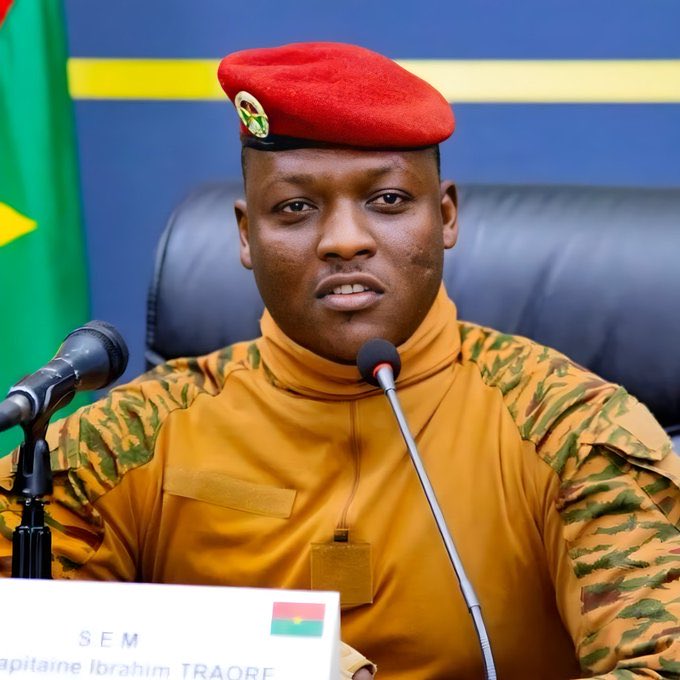
Right now, Burkina Faso’s military-led government has formally announced the immediate severance of diplomatic relations with France, citing sovereignty concerns and alleged foreign interference. The decision, communicated through official state channels this week, follows months of escalating tensions and marks the latest move in a rapid realignment of the country’s international partnerships. France has acknowledged the announcement and stated it is “considering reciprocal measures,” while regional observers note that the step comes amid heightened instability across the Sahel. The development is driving the current surge in online discussion, as users on X share official statements and intelligence briefings that frame the break as part of a broader shift away from traditional Western alliances.
Common Perspectives
Sovereignty and Self-Determination
Many Burkinabè citizens and regional commentators argue that cutting ties with France reclaims national dignity after decades of perceived external influence. They point to recent public statements from the junta emphasizing “mutual respect” and the removal of French military assets as concrete steps toward genuine independence.
Security and Regional Stability Concerns
Analysts focused on counter-terrorism worry that the abrupt departure of French forces and intelligence cooperation could create operational gaps at a time when insurgencies remain active in the tri-border region. They note that the timing—coinciding with ongoing instability—has prompted neighboring states to reassess their own security arrangements.
Shifting Alliances and Geopolitical Realignment
Observers tracking great-power competition see the move as evidence of Burkina Faso pivoting toward alternative partners, including Russia and other non-Western actors. Social-media posts circulating intelligence summaries highlight the junta’s outreach to new suppliers of equipment and training, framing the diplomatic break as part of a wider strategic recalibration.
Economic and Developmental Implications
Economists and development specialists caution that reduced French cooperation could affect aid flows, trade preferences, and technical assistance programs. They stress that while political sovereignty is a stated goal, the practical impact on public services and infrastructure projects is still unfolding.
A Different View
Rather than viewing the rupture solely through the lens of bilateral relations, some analysts suggest the decision reflects an internal contest over who gets to define Burkina Faso’s post-colonial identity. In this reading, the diplomatic break is less about France itself and more about competing domestic narratives—between a military elite seeking legitimacy through assertive nationalism and civil-society voices who fear that rapid disengagement may sideline longer-term governance reforms.
Conclusion
As the dust settles on this week’s announcement, Burkina Faso’s move is being watched closely by governments and citizens across the Sahel. The immediate diplomatic consequences are still taking shape, but the episode underscores how quickly regional alignments can shift when questions of sovereignty, security, and identity converge.
Sources and discussion
These public posts were collected while researching this story. They provide context and reactions, but may not independently verify every claim.
View the original topic on XPeter Kariuki (PK) 🇰🇪
@PeterKariukiKE
NEWS UPDATE | Burkina Faso Cuts Diplomatic Ties with France Burkina Faso has announced the severing of diplomatic relations with France, marking another major shift in its foreign policy as the West African nation continues to redefine its international alliances.
Jun 27, 2026XblogbyOJ
@Unku_OJ
BREAKING: Burkina Faso has officially severed diplomatic relations with France, citing concerns over sovereignty, mutual respect, and alleged foreign interference. The French government has expressed regret and said it is considering reciprocal measures. This marks another
Jun 27, 20261 likesAUC3I
@AUC31
INTELLIGENCE BRIEFING NUMBER 2706 "TO:" Command Staff "FROM:" Colonel S Baraka Reese, Military Analyst "DATE:" 27 June 2026 "SUBJECT:" SITREP Sahel's Seismic Shift: Burkina Faso Breaks with France Amidst Regional Instability as of (27 June 2026) ### OPERATIONAL OVERVIEW
Jun 27, 2026Anthony Hicks
@BlackIncANx9
@USATODAY All connected to Epstein: Trump and Musk were the judge, jury and executioners. Here’s how it all blends in with Epstein; Lynn de Forester Rothschild introduced EPSTIEN to Alan Dershowitz. Maxwell was moved to Texas to protect individuals such as Elon Musk who is involved in
Jun 26, 20261 likesAlberto
@jedoradodebeza
@ECHR_CEDH @EUCourtPress @bger_CH @INTERPOL_HQ @MOSSADil @guardiacivil @EU_Commission @Europarl_EN @OEA_oficial @CorteIDH @policia @PoderJudicialEs @BGH_Bund @Courdecassation @cassazione_net @SCC_eng @UKSupremeCourt @congreso @BVerfG @karimkhan @keirstarmer @OurCommons @Stortinget @LokSabhaSectt @UKParliament @NZParliament @AboutTheHouse @washingtonpost @StevenMufson @AMFChina @CherylYuuu @He_Shumei @inamitchellfilm @TCaseyFleming @NikkiHaley @JamestownTweets @shuvmajumdar @Bundestag @AssembleeNat @AfD @RNational_off @Conservatives @RiseOfAlberta @i_montaigneEN @InstituteCicero @Parliament_GR @EpochTimes @javiersolana @chinascio Only constructively, only peacefully, literally, nothing else, nothing less Who has normalized & rationalized Xi Jinping, Xi Jinping´s parents, mao, stalin, lenin and Beijing CCP-KGB-UN? Who cannot tell the difference between Trump & America with official stamp and voted 3x
Jun 27, 2026MR B✨
@muhh_hawal
Good morning! *One of the quiet works of mercy is that it separates who you are from what you are dealing with* Here is today’s Saturday 2026/06/27,,,,summary from Nigerian Newspapers: 1. All buildings marked as distressed around the collapsed 3-storey building at Alakija, will
Jun 27, 2026