

Visit Seoul Taps RIIZE for a ‘SEOUL SYNDROME’ Campaign
• From trending topic: Seoul Launches Tourism Campaign with K-pop Group RIIZE
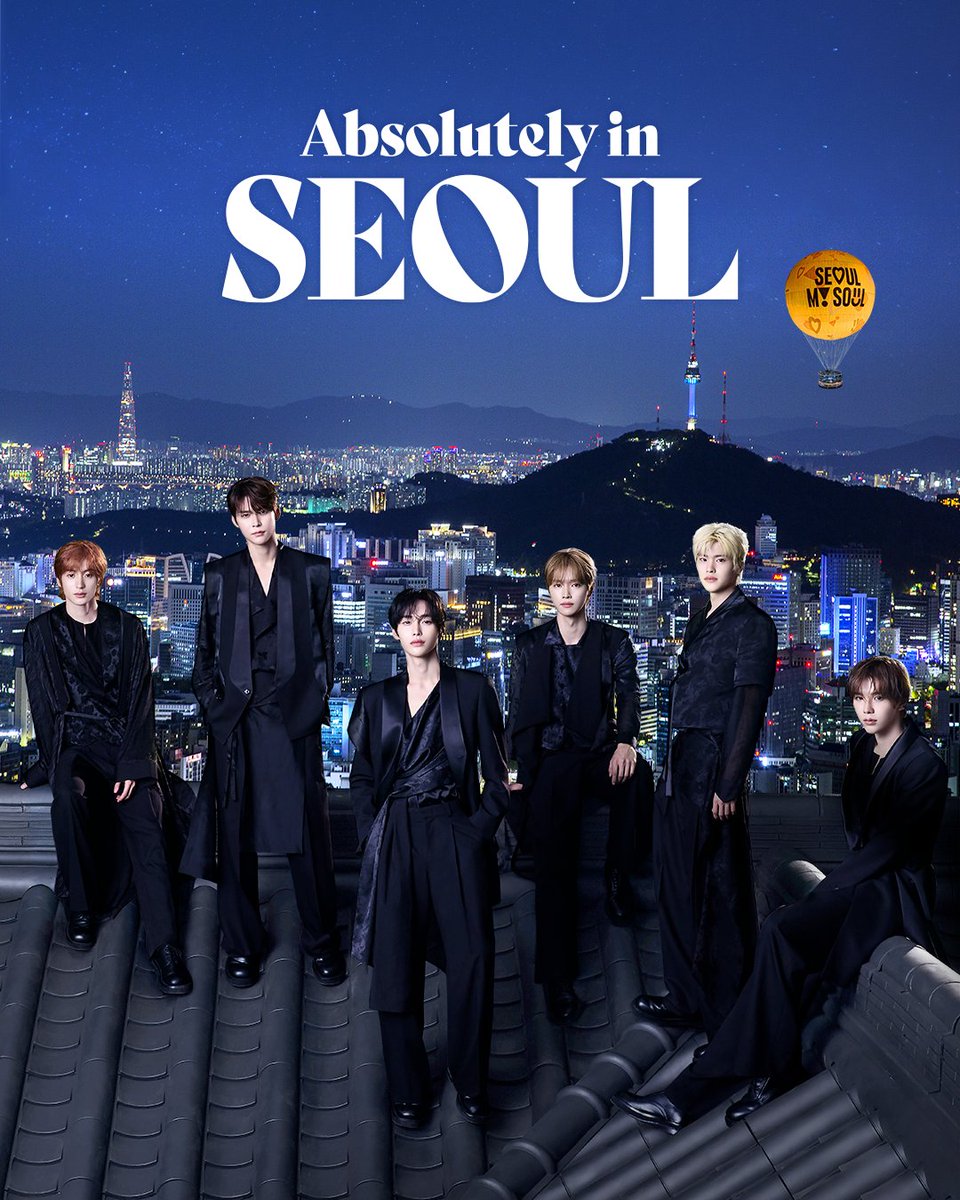
Summary
Visit Seoul has put K-pop group RIIZE at the center of a tourism push branded “SEOUL SYNDROME With RIIZE,” built around the line that in the South Korean capital “the unexpected becomes the everyday.” The campaign became visible largely through X, where a slogan post circulated widely and fan accounts—among them SoheeUpdates—passed along a Visit Seoul update that framed the city as a practical tour guide spanning K-food, cafés, and festivals.
What can be confirmed from the available reporting is the branding and the messenger: Seoul’s official tourism site announced the tie-in, and RIIZE’s name and member tags are doing the distribution. What cannot yet be confirmed is almost everything a traveler would need. There is no public detail here on budget, duration, whether the group is appearing in new filmed work or licensed stills, or whether “SEOUL SYNDROME” comes with maps, events, or member-led routes. For now it is a campaign drop whose clearest effect is on fandom timelines, not an documented change in how visitors will move through the city.
Common Perspectives
A cue to visit, not merely an ad
RIIZE’s following tends to read a city partnership as an invitation. Member-centered accounts treat official Seoul imagery as a reason to imagine—or book—cafés, food stops, and festivals as an extension of the group. That view is appealing because it turns promotion into place: the capital becomes a setting fans already wanted. The assumption is that an official stamp means more access or more content. The trade-off is lopsided. The tourism brand gets global reach through existing fan networks; the fans may get a slogan.
The Hallyu-to-arrivals funnel
Tourism marketers and Korea’s cultural-export advocates have long treated idol campaigns as a short path from streams to hotel nights. Visit Seoul’s own copy still sells the familiar stack of food, cafés, and festivals, which makes the pairing feel like industrial routine rather than a one-off stunt. The appeal is empirical memory: larger acts helped make Korean cities legible to young travelers who did not start with a guidebook. The buried assumption is that RIIZE’s attention equals new spending, not the same K-pop-motivated visitors who were coming anyway. If the latter is true, this is brand maintenance.
Seoul as a set, again
Residents of the neighborhoods that photograph well are likelier to see another idol campaign as packaging. The objection is less to RIIZE than to a city sold as backdrop—crowds, short stays, and local life valued when it can be listed next to K-food. That view resonates with people who live inside the postcard. Its own assumption is that this particular social drop will move bodies on the ground, which a slogan may not do.
Outside the fandom, it looks interchangeable
Readers who do not follow the group may file “SEOUL SYNDROME” with every other celebrity destination campaign and ask only whether the name describes a real travel promise. For them the risk is sameness: if cities keep hiring the act of the moment, the pairing stops meaning anything specific about Seoul. That underplays how tightly Korean municipal marketing is wired to entertainment companies, but it is a fair response to the thin public record so far.
A Different View
The phrase “Seoul syndrome” sits next to a much older travel story: Paris syndrome, the rare, heavily mythologized crash when a visitor’s imagined city meets the real one. Visit Seoul’s line—that the unexpected is everyday—reads like a deliberate inversion. Instead of promising the postcard will match the fantasy, it hints that mismatch is the product. That is an unusual thing for a tourism office to imply, and it is almost certainly more interesting than whether RIIZE can sell tickets. Many visitors already arrive with a K-pop or K-drama Seoul in their heads. The neglected question is not reach. It is whether the city is trying to correct that fantasy or to productize it.
Conclusion
The test is observable and still ahead: whether Visit Seoul follows the hashtags with a usable guide, programming, or routes, or whether “SEOUL SYNDROME” remains a phrase built to travel through member tags. Until that is clear, the trend says more about how tourism news now moves than about a measurable shift in the city itself.
Sources and discussion
These public posts were collected while researching this story. They provide context and reactions, but may not independently verify every claim.
View the original topic on XVisit Seoul
@VisitSeoul
SEOUL SYNDROME With RIIZE Where the unexpected becomes the everyday — right here in Seoul. Absolutely in SEOUL
Sep 22, 20269.6K likes5.7K repostsSohee Updates
@SoheeUpdates
260922 Visit Seoul update with RIIZE *Visit Seoul is the perfect city tour guide for traveling to Seoul. Experience Seoul in various ways from K-food to cafes and festivals.* #RIIZE #라이즈 #SOHEE #소희 #ソヒ
Sep 22, 2026226 likes72 reposts