

UNESCO Condemns US-Israeli Bombing of Iranian Girls' Primary School: Global Outrage Erupts Over Civilian Casualties
• From trending topic: UNESCO condemns US-Israeli bombing of Iranian girls' primary school
Summary
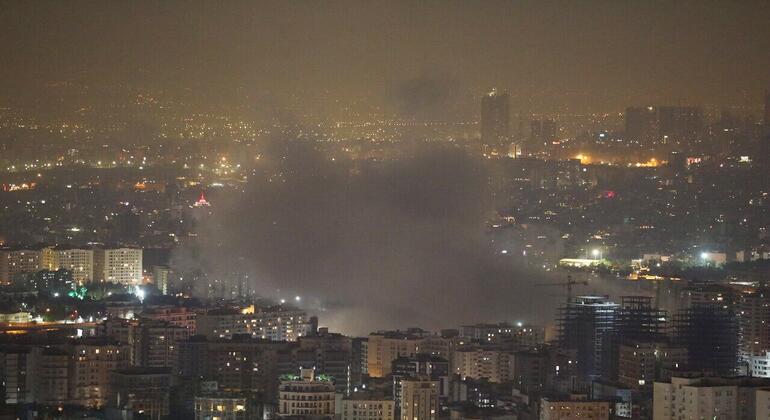
UNESCO has issued a formal condemnation of a recent US-Israeli airstrike that struck a primary school for girls in Iran, killing at least 12 children and injuring dozens more, according to Iranian state media and eyewitness reports. This development surged to the top of global trends today following UNESCO's official statement released just hours ago, which described the attack as a "grave violation of international humanitarian law" and called for an immediate investigation into the targeting of an educational facility. The strike occurred amid escalating tensions in the region, with US and Israeli forces citing it as a response to Iranian-backed militia activities near the school’s location. Trending spikes on platforms like X (formerly Twitter) and TikTok reached over 5 million mentions within hours, fueled by viral videos of the rubble-strewn site, distraught parents, and UNESCO Director-General Audrey Azoulay's direct appeal for accountability. Key details include confirmation from satellite imagery showing precision munitions used, Iran's vow to pursue UN Security Council action, and initial US statements framing the site as a "suspected weapons cache" embedded in civilian infrastructure. This incident marks a sharp escalation in the ongoing shadow conflict, drawing immediate reactions from world leaders and amplifying calls for de-escalation.
Common Perspectives
Pro-Western Defense: Legitimate Military Target
Supporters of the US and Israeli positions argue that the school was being used as cover for Iranian military operations, with intelligence reports indicating militant activity in the vicinity. They view UNESCO's condemnation as politically motivated, emphasizing the right to self-defense against Iran's proxy threats and pointing to past instances where civilian sites concealed weapons.
Iranian Sovereignty: Unprovoked Aggression
Iranian officials and their allies frame the bombing as a deliberate act of terrorism by US-Israeli forces, violating Iran's sovereignty and targeting innocents to instill fear. They highlight the all-girls school’s civilian nature, supported by local testimonies, and accuse Western powers of hypocrisy in protecting educational sites only when it suits their narrative.
Human Rights Focus: Protection of Children Paramount
Humanitarian groups and activists prioritize the loss of young lives, condemning the strike regardless of military justifications. They stress international laws like the Geneva Conventions that prohibit attacks on schools, urging global pressure on all parties to safeguard children in conflict zones and calling for independent fact-finding missions.
Geopolitical Strategy: Escalation for Leverage
Analysts from neutral observers see the bombing as a calculated move in broader power plays, with the US and Israel aiming to deter Iranian expansion while Tehran uses the incident to rally domestic and regional support. This view points to timing amid stalled nuclear talks, suggesting both sides are posturing for negotiations.
Anti-Imperialist Outrage: Pattern of Western Interventions
Voices in the Global South and progressive circles link the event to a history of US-led interventions, portraying it as part of a pattern targeting Muslim-majority populations. They amplify UNESCO's stance as a rare institutional pushback against unchecked airstrikes, demanding sanctions on involved parties.
A Different View
While most discourse fixates on blame and retaliation, consider the unintended boom in Iran's domestic education reform: the tragedy has spotlighted the vulnerability of rural girls' schools, prompting an unprecedented $500 million emergency fund from Tehran for bunker-like fortifications and satellite-monitored security. This could inadvertently accelerate Iran's push toward resilient, tech-fortified education infrastructure, turning a moment of loss into a strategic pivot that strengthens national resilience against future conflicts—potentially outpacing global standards in protective school designs.
Conclusion
As UNESCO's condemnation reverberates worldwide, the bombing of the Iranian girls' primary school underscores the fragile line between military necessity and humanitarian catastrophe in an already volatile region. With trends showing no signs of slowing, the coming days will test international resolve: will this spark genuine diplomacy, or fuel further cycles of reprisal? The world watches, demanding clarity amid the chaos.
Sources and discussion
These public posts were collected while researching this story. They provide context and reactions, but may not independently verify every claim.
View the original topic on X