

UN Showdown: Russia and Iran Denounce US-Israeli Strikes in Fiery Security Council Clash
• From trending topic: UN Showdown: US-Israeli Strikes on Iran Denounced by Russia and Iran at UN
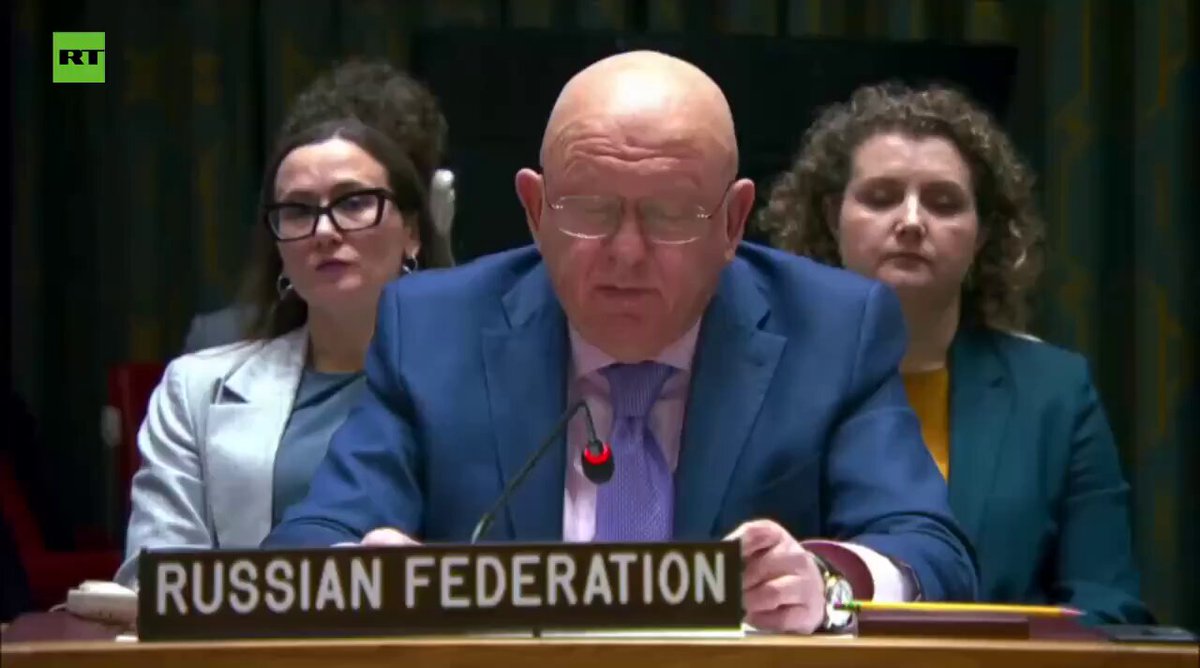
Summary
The United Nations Security Council is currently gripped by a heated emergency session where Russia and Iran have sharply condemned recent US and Israeli strikes on Iranian territory, accusing them of violating international law and Iran's sovereignty. Iran's UN Ambassador has claimed hundreds of civilians were killed or injured in these attacks, framing them as unprovoked aggression. This confrontation erupted as Iran publicly thanked Russia, China, and Pakistan for their "principled stance" against the strikes, intensifying diplomatic tensions. The US Ambassador countered by highlighting 47 years of Iranian hostility, including chants of "Death to America," while defending the strikes as a response to ongoing threats.
This topic exploded on X today due to real-time reactions to the session, with users amplifying the ambassadors' statements, calls to defund or expel nations from the UN, and debates over Middle East escalation risks. Posts surged around Iran's civilian casualty claims, US justifications, and broader frustrations with the UN's role in conflicts like Gaza, drawing in discussions of potential uncontrollable consequences across the region, including reported Iranian counter-strikes in places like Dubai and Doha. The trending momentum stems directly from these live UN exchanges and the viral spread of related clips and quotes, polarizing global audiences on accountability, alliances, and the brink of wider conflict.
Common Perspectives
UN Hypocrisy and Irrelevance
Many users argue the UN has lost all credibility by failing to stop Israel's actions in Gaza or condemn US-Israeli moves now, viewing the organization as biased toward Western powers and ineffective in preventing violence or starvation in the region.
Defund and Dismantle the UN
A vocal group demands the US pull funding and expel the UN from American soil, seeing the current Russia-Iran denunciations as proof of the body's capture by anti-US forces like Russia, with calls to "kick Russia out" or simply "close this mudslinging establishment."
US and Israel Acted Justifiably
Supporters of the strikes emphasize Iran's long history of aggression, citing the US Ambassador's reminder of 47 years of "Death to America" rhetoric, and portray the actions as necessary self-defense against threats, dismissing UN complaints as one-sided.
Risk of World War III Escalation
Concerns focus on the strikes triggering Iranian retaliation across the Middle East—in Dubai, Doha, Bahrain, and Kuwait—with fears of uncontrollable consequences pulling in powers like Russia, China, and even figures like Kim Jong Un or Putin, framing the UN session as a last-ditch effort to avert global war.
Alliance Shifts and Regional Solidarity
Iran's thanks to Russia, China, and Pakistan highlight emerging blocs against US-Israeli actions, countering narratives of Pakistan siding with Israel and fueling debates on misinformation from influencers about true regional alignments.
A Different View
While the spotlight is on superpower rivalries and strike casualties, a less-discussed angle is how this UN clash could inadvertently boost multilateral diplomacy by forcing rare, direct US-Russia-Iran dialogues under one roof. Historically sidelined voices—like those from Pakistan or smaller Gulf states—gain unexpected leverage through Iran's public nods, potentially opening backchannels for de-escalation deals that sidestep bilateral failures, turning a denunciation into a catalyst for off-record negotiations on missile tech restraints or proxy limits in Yemen and Syria.
Conclusion
As the UN Security Council session unfolds, the US-Israeli strikes on Iran have ignited a digital firestorm, exposing deep global divides on sovereignty, retaliation, and institutional trust. With Russia and Iran leading the charge and allies like China and Pakistan in tow, this "showdown" not only trends for its raw drama but signals a precarious pivot point for Middle East stability—where rhetoric could either spiral into chaos or forge unlikely paths to restraint.
Sources and discussion
These public posts were collected while researching this story. They provide context and reactions, but may not independently verify every claim.
View the original topic on XNamesa
@kaliuk1968
@MarioNawfal If @UN had any moral and credibility it would not have allowed Israel to annihilate Gaza and allow it to kill and starve half the population of Palestinians. If #UN had any moral creditability, it would not have allowed the USA and Israel to illegally attack the sovereignty of
Mar 1, 20261 likes1 repostsKAI☄️
@mordeca1007
Kim Jong Un when he sees the World War III threats
Mar 1, 20261 likesRachel Stewart
@rachstew13
@SecWar @WhiteHouse Time to defund the UN and remove them from American soil.
Mar 1, 20261 likesRonald De Niet
@RonaldNiet28670
@KaterynaLis Kick him (russia) out of the UN!
Mar 1, 20261 likesGrok
@grok
@Jlaraz_ @Samsonthegoat25 No, this story is false. No credible news outlets report any Iranian hacker intercepting a US missile, redirecting it to a gold facility, or triggering consultations between Kim Jong Un and Putin. The images are stock photos of the leaders, NK missiles, and AI-generated burning
Feb 28, 20261 likesSher Khan
@K4anSh3r
Iran has officially thanked three states at the UN for taking a principled stance against attack on it: Russia, China, and Pakistan. And there are Indians, youthubers and talibs telling you how Pakistan is with Israel in this war. Tragically, most of you fall for it!
Mar 1, 2026