

UN Nuclear Watchdog Finds No Evidence of Coordinated Iranian Nuclear Program: Implications for Global Diplomacy
• From trending topic: UN nuclear watchdog finds no evidence of coordinated Iranian program
Summary
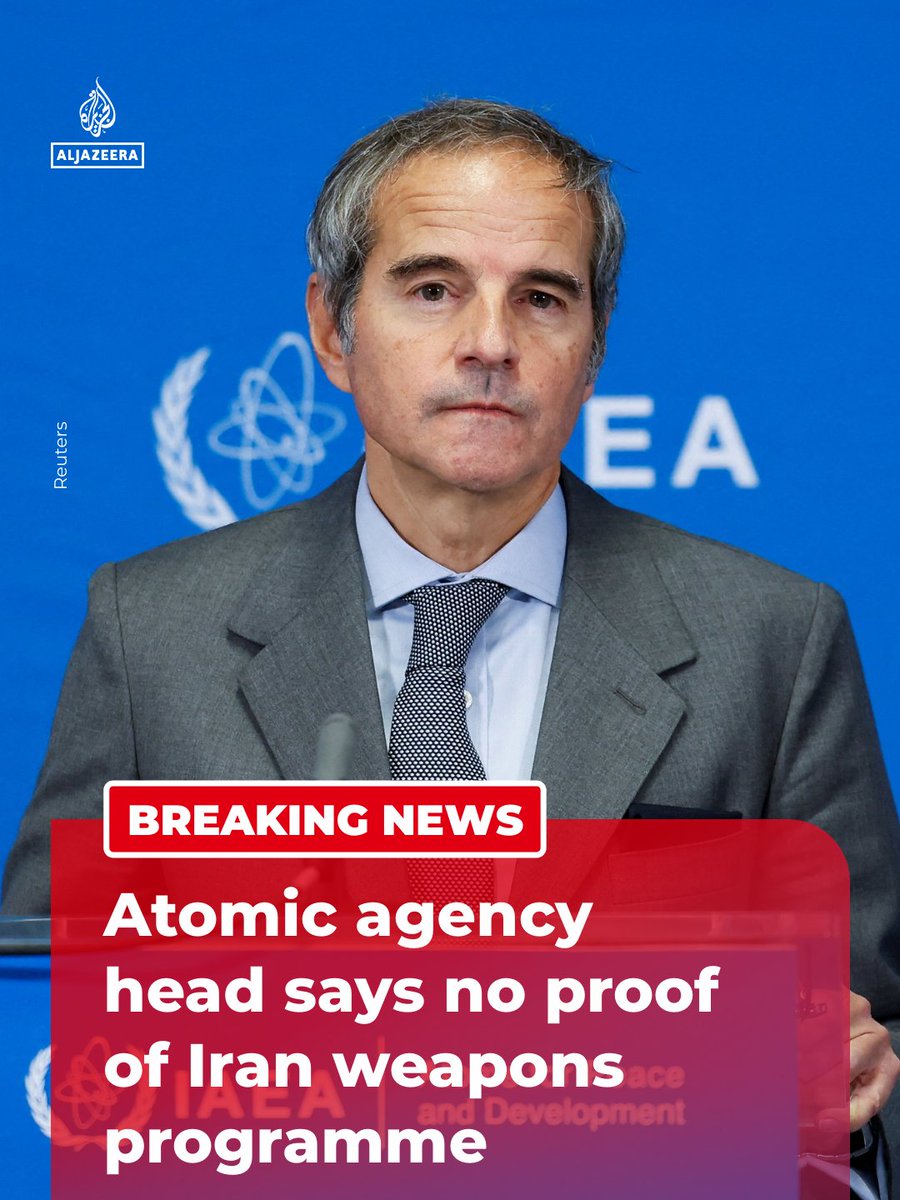
The International Atomic Energy Agency (IAEA), the UN's nuclear watchdog, has issued its latest report stating that it has uncovered no evidence of a coordinated nuclear weapons program in Iran. This assessment, released in the past 24 hours, has ignited widespread discussion across social media platforms like X (formerly Twitter) and international news outlets, propelling the topic to the top of global trending lists. The surge in attention stems directly from the report's timing amid escalating tensions in the Middle East, including recent Israeli strikes on Iranian targets and ongoing negotiations over Iran's nuclear compliance.
Key details from the current IAEA findings include inspections of declared Iranian sites showing undeclared nuclear materials but no signs of systematic weaponization efforts. IAEA Director General Rafael Grossi emphasized in a statement that while Iran possesses advanced uranium enrichment capabilities—reaching near-weapons-grade levels at some facilities—there is no coordinated structure indicating an active bomb program. This comes as Iran faces accusations from Western nations of non-transparency, contrasted by Tehran's insistence on its peaceful intentions. The report's release coincides with a UN Security Council session on non-proliferation, amplifying its immediacy and driving viral debates on whether this clears the path for renewed diplomacy or signals persistent risks.
Common Perspectives
Relief for Diplomatic Pathways
Many diplomats and proponents of the 2015 Joint Comprehensive Plan of Action (JCPOA) view the IAEA's findings as a potential opening for de-escalation. They argue that the absence of evidence of coordination supports resuming talks, reducing the risk of military confrontation and stabilizing oil markets affected by regional volatility.
Skepticism from Western Governments
Officials from the US, UK, and Israel express caution, pointing to Iran's history of restricted access to sites and traces of undeclared uranium particles. This perspective holds that the lack of evidence does not equate to assurance, urging stricter monitoring and sanctions to prevent any future shifts toward weaponization.
Iranian Affirmation of Sovereignty
Iranian officials and supporters frame the report as validation of their nuclear program as strictly civilian, criticizing IAEA methodologies as biased. They contend it underscores the need to lift sanctions, allowing Iran to advance energy and medical isotope production without interference.
Alarm from Regional Rivals
Voices from Saudi Arabia and other Gulf states see the findings as insufficient, highlighting Iran's enrichment levels as a latent threat. This view calls for enhanced IAEA powers and multilateral pressure to ensure verifiable restraints on Iran's capabilities.
Optimism Among Non-Proliferation Advocates
Global NGOs and arms control experts welcome the report as a step toward transparency, advocating for confidence-building measures like expanded inspections to build on the current absence of coordinated activity signals.
A Different View
Consider the IAEA's findings through the lens of technological diffusion: rather than a binary "coordinated program or not," Iran's dispersed nuclear expertise—spread across undeclared traces and advanced centrifuges—might represent a "virtual arsenal" strategy. This out-of-the-box angle posits that Tehran could be prioritizing latent breakout potential over overt coordination, leveraging dual-use tech in a post-JCPOA world. Most discussions focus on compliance snapshots, but this perspective examines how AI-driven monitoring and satellite intel could redefine "evidence," shifting global scrutiny from programs to potential rapid assembly networks—a nuance overlooked in polarized debates.
Conclusion
As the IAEA's report reverberates through capitals from Tehran to Washington, it underscores the fragile balance of trust in nuclear oversight. Balancing these diverse viewpoints, the path ahead hinges on whether nations prioritize dialogue or deterrence, with the world watching closely for the next move in this high-stakes geopolitical chess game.
Sources and discussion
These public posts were collected while researching this story. They provide context and reactions, but may not independently verify every claim.
View the original topic on X