

Umpiring Storm Erupts as Carlton Edges Richmond by Two Points at the MCG
• From trending topic: AFL Richmond vs Carlton match umpiring controversy
Summary
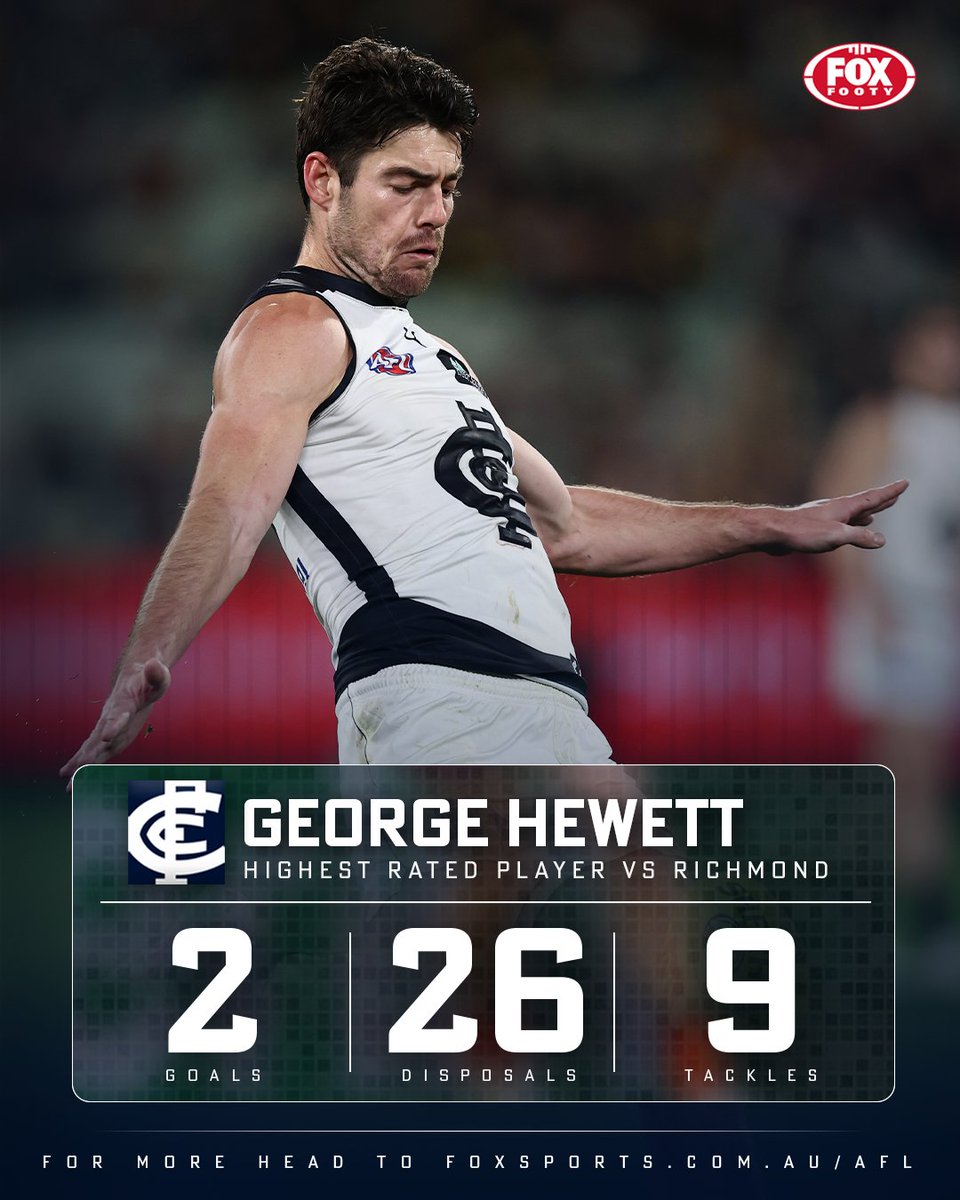
Right now, Australian football circles are buzzing after Carlton claimed a nail-biting 74-72 win over Richmond in Round 17 at the Melbourne Cricket Ground, a result overshadowed by a chaotic final five minutes that has triggered an outpouring of criticism on social media. The decisive sequence began when Richmond defender Nick Haynes was pinged for a deliberate rushed behind, a call many spectators at the ground only fully grasped once replays surfaced online. From that moment, umpires—led by veteran Brett Rosebury—interrupted play repeatedly with quick-fire stoppage decisions, frustrating both benches and leaving neutrals sympathising with the Tigers. Within hours the hashtag #AFLTigersBlues was trending nationally, as fans dissected every whistle and debated whether Carlton benefited from four critical free kicks in the closing stages. The Blues extended their winning streak to seven games, yet the post-match narrative has quickly shifted from their surge toward September to the performance of the umpires and the league’s ongoing struggle to maintain consistency under pressure.
Common Perspectives
“Carlton Got the Rub of the Green”
Many Blues supporters argue the umpires correctly applied the rules in high-stakes moments, pointing to Haynes’ rushed behind and subsequent infringements as clear breaches. They maintain that Carlton’s composure under fire—not favourable calls—secured the two-point margin.
“Richmond Were Robbed in the Final Minutes”
Tigers fans contend the rapid sequence of whistles, particularly around the ruck duels involving players like Tim Taranto and Patrick Cripps, disrupted Richmond’s momentum at the worst possible time. They highlight that four of the last five free kicks went Carlton’s way, insisting the officiating robbed their team of a fair chance to steal the contest.
“Umpiring Standards Have Slipped Further”
Neutral observers and pundits on talkback radio say the contest exposed a broader issue: hesitation and over-officiating when scores are close. They note the audible frustration inside the ground and the visible confusion on players’ faces, arguing the league must address decision-making protocols before the finals.
“Coaches Must Prepare Players for Chaotic Endings”
Some analysts suggest both Damien Hardwick (Richmond) and Michael Voss (Carlton) need to drill their squads on composure when umpires take centre stage. They argue that mental resets after contentious calls are now as important as set-shot routines.
A Different View
Instead of focusing solely on individual decisions, consider how the rapid-fire stoppages transformed the game into a series of micro-battles that favoured Carlton’s fresh legs off an extended bench. While most discussion centres on free-kick counts, the real tactical shift occurred when players realised every ruck tap could be blown dead—effectively turning the final minutes into a test of bench depth rather than open-field skill.
Conclusion
As the dust settles on what should have been a celebration of Carlton’s seven-straight streak, the conversation in pubs, forums and talkback studios remains fixed on five mad minutes at the MCG. Whether the umpires were diligent or disruptive, one thing is certain: the debate over officiating consistency is once again centre stage in Australian football.
Sources and discussion
These public posts were collected while researching this story. They provide context and reactions, but may not independently verify every claim.
View the original topic on XPommyinOZ Footy
@pommyinozYT
The Final Minutes Were Chaos...Richmond vs Carlton The final quarter left everyone confused. Were the umpires right... or did the game descend into chaos? Watch the full Richmond vs Carlton review here: 👇 How would you fix umpiring? #afltigersblues
Jul 5, 202614 likesAndrew Whelan
@andrew_whelan
Expected Scores Richmond v Carlton, Round 17, 2026 #AFLTigersBlues #AFL
Jul 4, 20261 likesPommyinOZ Footy
@pommyinozYT
Carlton made it seven straight... But did this game actually answer the biggest question from the preview? Or did Richmond expose something the scoreboard hides? 👇 Watch the full review and let me know your Football Answer. #afltigersblues
Jul 4, 20265 likesBluebaggers Edge
@BluebaggersEdge
Review | Round 17 v Richmond It was a game riddled with skill errors from both sides in an unattractive showing, but the umpiring performance was far worse. But, hey, 7 on the trot! 😅 #AFLTigersBlues Also available via Apple & Spotify! WATCH:
Jul 5, 20261 likes2 repostsRistevski
@ZRistevski
Guess which team benefited. Guess which team got the goal. Guess which team won by 2 points. Guess which supporters think the umpiring was against them. If you said Carlton, 4 times…you’re correct. #AFLTigersBlues
Jul 5, 2026Austadiums Sport
@au_sport
AFL Richmond v Carlton 04/07/26 - Round 17 MCG (Melbourne) Crowd: 54,923 #AFLTigersBlues
Jul 4, 2026