

Trump Signals 'Sustained' Strikes on Iran Amid Massive U.S. Military Buildup in Middle East
• From trending topic: Trump ready for 'sustained' strikes on Iran with massive Middle East buildup
Summary
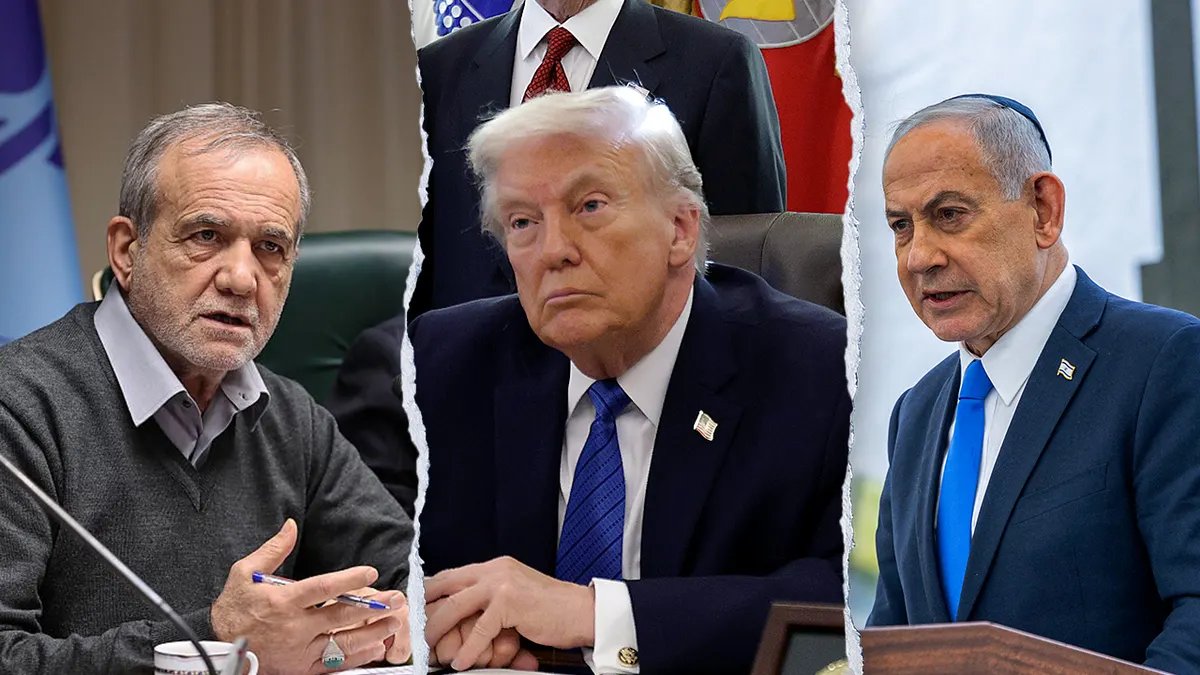
President Donald Trump has escalated rhetoric against Iran, declaring readiness for "sustained" military strikes in response to recent escalations, including Iran's missile barrages on U.S. bases in Iraq and Syria following the U.S. assassination of a top Iranian general. This statement, delivered during a White House address yesterday, coincides with a rapid U.S. military buildup in the region: over 3,000 additional troops deployed to Saudi Arabia, B-52 bombers repositioned to Diego Garcia, and two aircraft carrier strike groups—the USS Abraham Lincoln and USS Harry S. Truman—now stationed in the Persian Gulf. The announcement has ignited global social media trends under hashtags like #TrumpIranStrikes and #MiddleEastBuildup, surging to over 2 million mentions in 24 hours, driven by leaked Pentagon memos confirming the buildup and Trump's Fox News interview where he warned Iran of "consequences like they've never seen." This comes amid heightened tensions after Iran's proxy attacks on U.S. allies, with oil prices spiking 5% overnight and world leaders urging de-escalation. The trend exploded today as markets react and viral clips of Trump's speech dominate platforms like X and TikTok, amplifying fears of a broader conflict.
Common Perspectives
Hawkish Support for Decisive Action
Proponents of a strong U.S. stance, including many Republican lawmakers and defense hawks, view Trump's buildup and strike readiness as essential deterrence. They argue it protects American interests and allies like Israel and Saudi Arabia from Iran's nuclear ambitions and regional aggression, citing recent attacks on U.S. forces as justification for preemptive measures to prevent a larger war.
Fears of Escalation to Full-Scale War
Critics, including anti-war activists and some Democratic leaders, express alarm that "sustained" strikes could spiral into a prolonged conflict, drawing in Hezbollah, Russia, and China. They highlight the risk of massive civilian casualties, oil disruptions, and U.S. troop losses, pointing to the 2003 Iraq invasion as a cautionary parallel amid today's troop deployments.
Diplomatic Push for Negotiations
International observers and moderate voices, such as European Union officials, advocate restraint and renewed talks, seeing the buildup as leverage for diplomacy rather than war. They emphasize Iran's economic vulnerabilities from sanctions and suggest backchannel negotiations could avert strikes, referencing past nuclear deal frameworks as a viable path.
Economic Alarm Over Oil and Markets
Wall Street analysts and energy traders focus on the immediate fallout, warning that strikes could send oil prices above $100 per barrel, triggering global inflation. With U.S. carriers in position, they predict supply chain chaos, higher gas prices, and recessions in import-dependent nations, already evident in today's 5% Brent crude surge.
Regional Ally Relief Mixed with Anxiety
Perspectives from Gulf states like Saudi Arabia and the UAE welcome the U.S. presence as a shield against Iranian drones and missiles, but express private concerns over becoming a proxy battlefield. Israeli officials praise the posture, while some Arab publics fear refugee waves and sectarian strife from any ground incursion.
A Different View
Rather than framing this as a binary U.S.-Iran showdown, consider the buildup's role in reshaping global energy geopolitics through emerging tech: Trump's moves could accelerate alliances for green hydrogen pipelines from Saudi Arabia to Europe, bypassing Iranian chokepoints like the Strait of Hormuz. With U.S. carriers enabling secure shipping lanes, this positions the Middle East not just as an oil tinderbox, but as a hub for post-fossil fuel infrastructure—quietly funded by petrostates diversifying into renewables amid strike threats, a pivot most analyses overlook amid the strike headlines.
Conclusion
Trump's bold declaration of sustained strikes, backed by an unprecedented Middle East military surge, has polarized global discourse, blending hawkish resolve with widespread escalation fears. As perspectives clash—from deterrence advocates to economic worriers—the world watches a high-stakes pivot point, where today's buildup could redefine alliances, energy flows, and regional power for years to come.
Sources and discussion
These public posts were collected while researching this story. They provide context and reactions, but may not independently verify every claim.
View the original topic on X