

Trump Pushes Federal Reserve for Immediate Rate Cuts as Markets React
• From trending topic: Trump Demands Federal Reserve Cut Interest Rates
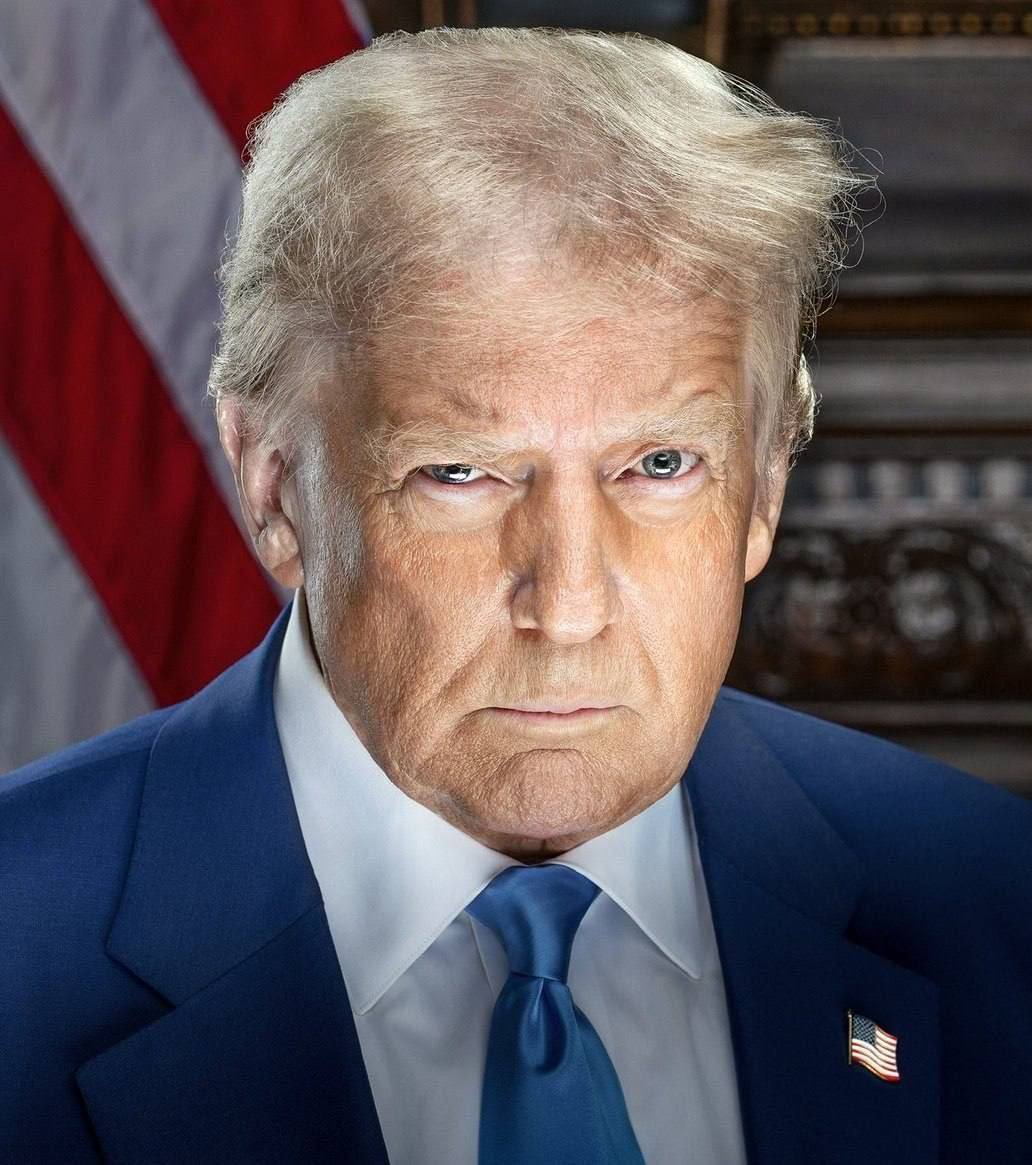
Summary
President Trump has publicly called on the Federal Reserve to lower interest rates, citing the need to strengthen the U.S. economy amid recent global uncertainties. The announcement comes as discussions on social media highlight both the potential market impact and the broader economic context, including recent stress testing of major banks and ongoing geopolitical tensions. The move has sparked conversations about how such a policy shift could influence borrowing costs, investment decisions, and overall economic sentiment in the near term.
Common Perspectives
Economic Stimulus Advocates
Supporters argue that cutting rates now would provide timely relief to businesses and consumers by reducing borrowing costs. This group points to recent global economic pressures and believes proactive monetary easing could help stabilize growth and maintain momentum in key sectors.
Concerns Over Political Influence
Some observers express worry that direct presidential pressure on the Federal Reserve may blur the line between elected leadership and independent monetary policy. This perspective emphasizes the importance of maintaining the Fed's autonomy when making decisions that affect inflation, employment, and long-term financial stability.
Market Volatility Expectations
Traders and analysts are watching how markets might respond to any actual rate adjustment, with attention focused on sectors sensitive to interest rates such as housing, equities, and corporate debt. Recent stress test results for large banks have added another layer of complexity to these calculations.
Fiscal and Geopolitical Context
Others connect the rate cut discussion to wider issues, including international trade dynamics and regional conflicts that have affected energy markets and global supply chains. This view suggests that monetary policy decisions are being shaped by a combination of domestic economic indicators and external developments.
A Different View
Rather than focusing solely on the immediate effects of a rate cut, consider how this moment highlights the growing intersection between social media discourse and traditional economic policy debates. Public statements from political figures now reach audiences in real time, creating feedback loops where online sentiment can influence market expectations even before official policy changes occur. This dynamic adds a new dimension to how monetary policy signals are interpreted and acted upon by both institutions and individual investors.
Conclusion
President Trump's call for lower interest rates arrives at a time when economic policy, market reactions, and public conversation are closely intertwined. As discussions continue, the interplay between political messaging, Federal Reserve independence, and investor behavior will likely shape how this development unfolds in the coming weeks.
Sources and discussion
These public posts were collected while researching this story. They provide context and reactions, but may not independently verify every claim.
View the original topic on XPulse Alpha
@pulsealpha_
🚨BREAKING: President Trump demands Federal Reserve cut interest rates to boost US economy, sparking potential market volatility and economic shift.
Jun 24, 2026Morindajit (Jag)|🇺🇸
@g_jag22
🏦 The Federal Reserve’s 2026 bank stress test delivered good news for investors. The Fed tested 32 of the largest U.S. banks against a severe recession scenario that included: • 10% unemployment • A global recession • ~30% decline in home prices • Major commercial real
Jun 24, 2026GET A GRIP
@docrussjackson
Post on FB about the increasingly unhinged insecure geriatric orange manaby: Trump is now in a public feud with a person in an inflatable frog costume. He posted the frog's photo to attack it as a "crazy pro-algae (likely paid) protestor." This is the President of the United
Jun 24, 20268 likes1 repostsrapture3169
@rapture3169
Big win for Trump! Obviously due to Dems using early released criminals and illegal immigrants to ID theft dead people for illegal Dem votes... US Postal Service defends plan to require states to disclose mail voting lists Previously I posted: Here is
Jun 24, 2026Chad Van Dam
@ChadVanDam11
@MarioNawfal If it were true it would be world wide news. The fact it is not shows there is nothing to the story. This is all bullshit propaganda used to take attention away from other things like Epstein, Iran, the economy, amongst all the other failed Trump policies. It's bullshit.
Jun 24, 2026Peter Sherin
@petermsherin
After the US air attack failed Trump’s expected result of bullying Iran into submission. And the world economy became wobbly. Iran not only absorbed the US shock but created its own world wide impact by taking control of the Strait of Hormuz forever breaking promises to MAGA!
Jun 24, 2026