

Trump Order Bars Certain Foreign Equipment From the U.S. Power Grid
• From trending topic: Trump Signs Order to Block Risky Foreign Grid Equipment
Summary
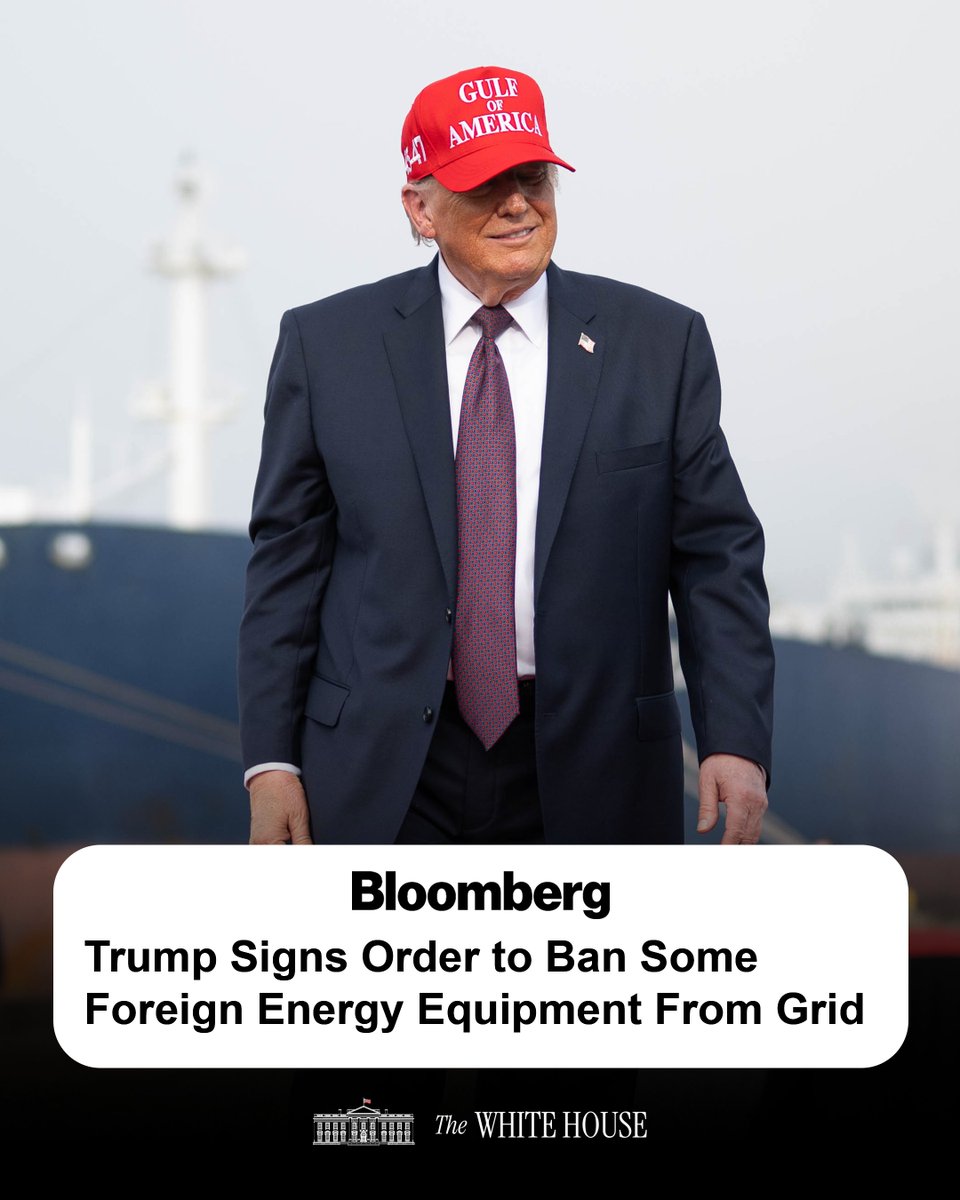
President Trump issued an executive order declaring a national emergency to block the acquisition or installation of certain foreign-made bulk-power system equipment. A White House fact sheet presented the step as a way to secure America’s energy infrastructure. Supporters on X quickly described it as making critical energy systems all-American and removing foreign infrastructure to protect national security.
The bulk-power system is the high-voltage generation and transmission network that moves electricity across regions. Initial public materials have not spelled out which countries, manufacturers, or component types are covered, so the order’s practical reach will depend on later rules and designations.
Common Perspectives
A Direct National-Security Fix
National-security hawks and many Trump supporters treat the grid as a strategic target that cannot tolerate hardware from potential adversaries. The appeal is simplicity: origin itself is treated as a risk that inspection cannot fully erase. The assumption is that domestic substitutes can be produced in time and that the greater danger is a hidden vulnerability rather than delayed upgrades or higher costs.
Reliability and Bills Matter More
Utility operators, grid engineers, and some state energy officials are more likely to focus on already-long lead times for transformers and other heavy equipment. Restricting foreign sources, in this view, risks shortages and higher rates just as electricity demand is rising. It appeals to people whose job is keeping the system running day to day. The assumption is that testing and standards already manage most hardware risks, or that aging U.S. infrastructure and load growth are the larger problems.
Emergency Powers Used as Trade Policy
Critics of expansive presidential authority see a national-emergency declaration as a way to impose industrial and procurement rules without legislation. This view is common among those who track how emergency findings tend to persist or widen. The appeal is institutional process. The trade-off it highlights is speed versus congressional debate and the chance that a later administration simply undoes or expands the same tool.
Onshoring by Restriction
Some manufacturing and economic-nationalist voices support the order less from fears of sabotage than as pressure to rebuild U.S. capacity in heavy electrical gear. The appeal is jobs and long-term supply-chain control. The assumption is that a ban will succeed in restarting production where market incentives and earlier subsidies have not.
A Different View
The argument so far is mostly security versus cost. A quieter question is how “risky” and “foreign” will be defined in practice. Agencies will need lists, criteria, and waiver processes; those mechanics often decide whether a prohibition is sharp or mostly a new layer of review and lobbying. The order’s real effect on what actually gets installed may therefore hinge less on the emergency finding than on the unglamorous implementation that follows.
Conclusion
Watch for Energy Department guidance, any explicit country or vendor lists, and how major utilities and equipment makers respond. Those details will show whether the order functions as a tight ban or a more flexible screening regime.
Sources and discussion
These public posts were collected while researching this story. They provide context and reactions, but may not independently verify every claim.
View the original topic on XThe White House
@WhiteHouse
AMERICAN ENERGY. ⚡️ President Trump is ensuring that critical energy systems are all American, removing foreign infrastructure to protect our national security.
Aug 26, 20264.4K likes1.1K repostsRapid Response 47
@RapidResponse47
Fact Sheet: President Donald J. Trump Declares a National Emergency to Secure America’s Bulk-Power System
Aug 26, 20264.5K likes1.3K reposts