

California Shifts AI Data Center Power Costs to Operators as Texas Pauses Permits
• From trending topic: California and Texas Require AI Data Centers to Cover Power Costs
Summary
California has enacted laws requiring large AI data centers to pay their own electricity and grid costs. Texas has halted new data-center permits until grid audits are finished.
Those two steps, which circulated widely in late September 2026, address the collision between fast-growing computing facilities and existing power systems. California’s change is presented by its backers as a way to keep residential customers from covering the extra generation and upgrades that data centers need. Texas officials have described the permit freeze as a check on whether the grid can absorb more large, constant loads.
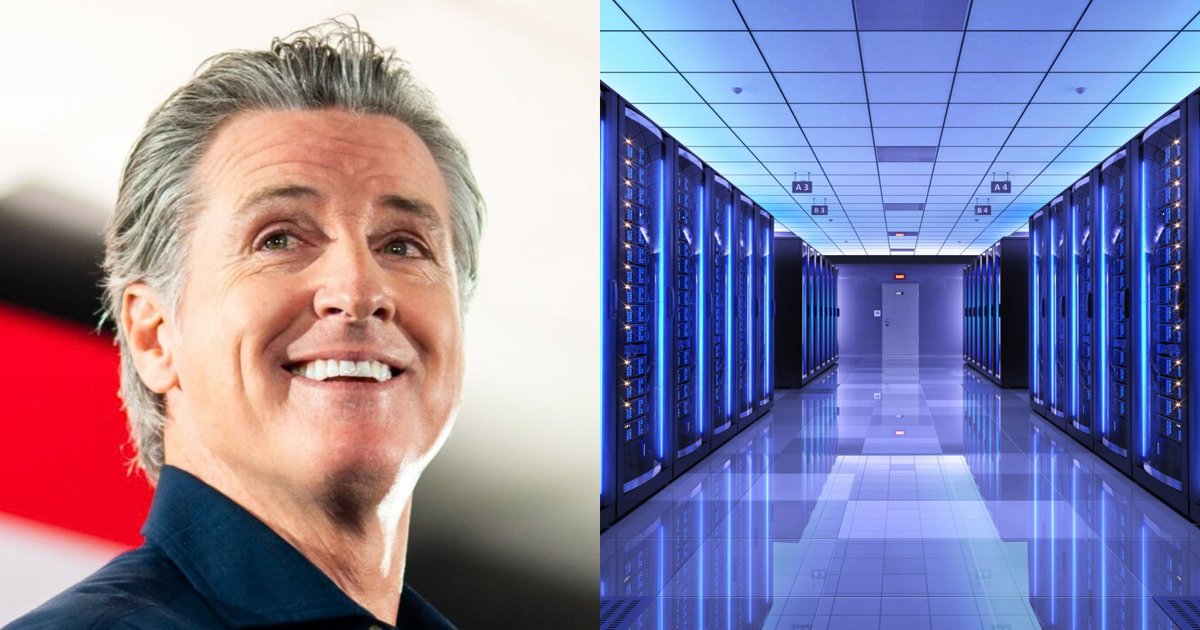
Posts on X have cast Governor Gavin Newsom as forcing data centers to pay their own way so residents no longer do, and Governor Greg Abbott as setting a standard for responsible growth. Those characterizations are political interpretations. The clustered reports do not include the statutory text, effective dates, definitions of “large,” or the scope of the Texas audits.
Common Perspectives
Protect ordinary ratepayers
Consumer advocates and California officials who supported the laws argue that concentrated new loads should not raise household bills. The view appeals to people already paying high electricity rates. It assumes the extra costs can be cleanly assigned to data-center operators and that the prior arrangement amounted to a subsidy. The trade-off is that California may look less attractive for the next round of AI infrastructure.
Put reliability first
Texas energy officials and reliability-focused voices support waiting for audits before adding more data centers. Memories of past grid stress make the pause persuasive. They assume better information about capacity and interconnection will produce better siting decisions. The cost is delay: projects that cannot wait may simply go elsewhere.
Don’t cede the AI build-out
Technology companies and some economic-development advocates warn that extra costs in California and a freeze in Texas will push facilities to states with cheaper power or fewer restrictions. This perspective treats AI computing as a mobile, strategic industry. It assumes other locations will stay welcoming and that capturing the investment outweighs local energy strain. The risk is that communities still face the physical load while seeing fewer of the jobs or tax benefits if they later copy the same rules.
A Different View
The argument is usually framed as local households versus distant tech companies. A more structural issue is that electricity systems built for gradual load growth now face clusters of massive, always-on demand. Facilities of this scale can sometimes justify their own generation or storage, which changes the utility’s role from primary supplier to backup. At the same time, the AI services they produce are used far beyond California and Texas, so the local-versus-operator split may understate both the broader beneficiaries and the shared physical limits of transmission and generation.
Conclusion
How operators react—absorbing the costs, building their own power, or relocating—and what Texas’s audits actually conclude will show whether these policies mainly reallocate bills or change where and how the next wave of computing gets built. Other states considering similar steps will be watching the results.
Sources and discussion
These public posts were collected while researching this story. They provide context and reactions, but may not independently verify every claim.
View the original topic on XDemocrats Deliver
@DemzDeliver
🚨 BREAKING: Gavin Newsom forces AI data centers to pay for their own electricity in California. Residents will no longer have to pay for data centers' power.
Sep 23, 202614.6K likes1.3K repostsGovernor Hot Wheels
@GovHotWheels_TX
Governor Abbott has set the nationwide standard on what responsible data center growth looks like. No permits will be granted until audits are complete.
Sep 23, 202627 likes9 reposts