

Assam Marks State Sports Day Honoring Bhogeswar Baruah
• From trending topic: Assam Celebrates State Sports Day Honoring Bhogeswar Baruah's Legacy
Summary
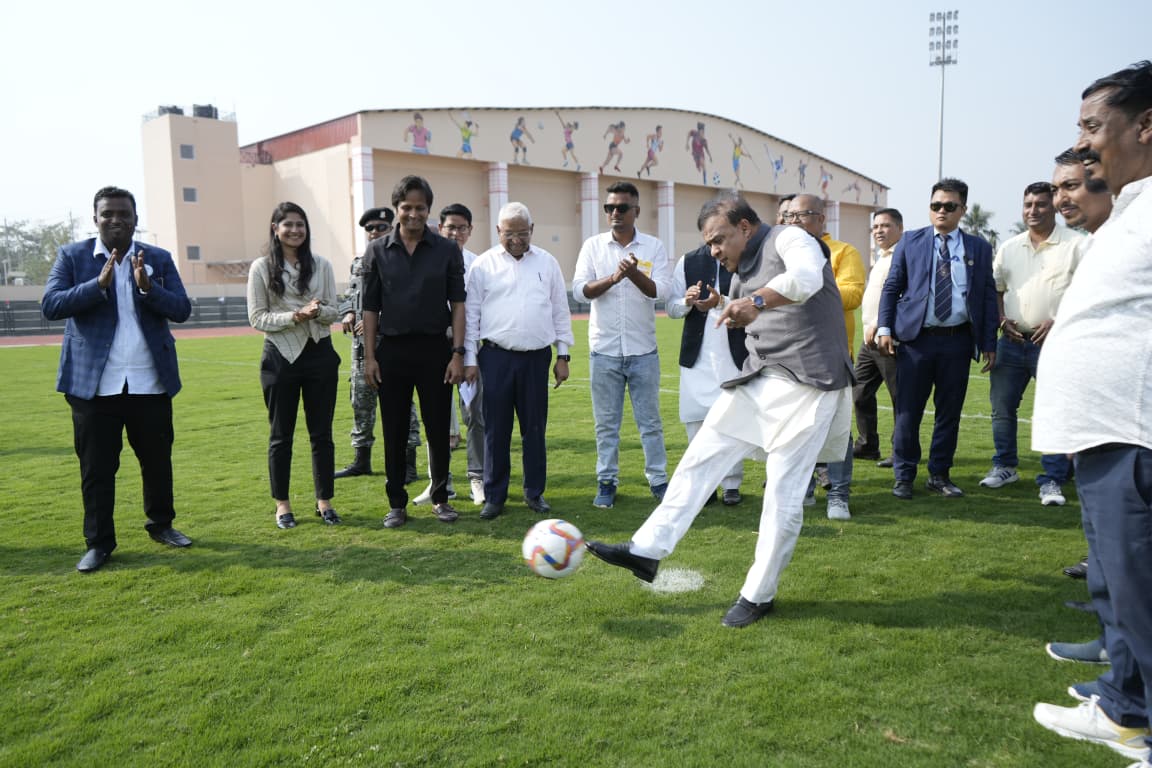
Assam observed State Sports Day on September 3 with tributes to Bhogeswar Baruah, described in commemorative posts as the state’s first Arjuna Awardee, on what those messages identified as his birth anniversary. Reporting clustered around the day described events that included mass jogging and felicitations of athletes.
Messages circulating on X repeatedly pointed to Baruah’s gold medal at the 1966 Asian Games in Bangkok as the result that placed Assam on India’s sporting map. Some posts offered birthday wishes and hopes for his health; others, including a widely engaged official-style message, tied the anniversary to a claim that the state’s sporting culture is strengthening and that athletes are succeeding across more disciplines. A few referred to the date as Abhiruchi Sports Day as well as State Sports Day.
The supplied accounts treat the observance as an established annual practice rather than a one-off. Independent confirmation of attendance, funding, or medal trends was not part of the clustered material; the public record available here is the tributes themselves, the described format of the events, and the emphasis on a single landmark from 1966.
Common Perspectives
Pride in a regional pioneer
Officials and many Assamese readers treat the day as overdue, or at least fitting, recognition of the runner who first gave the state a national sporting identity. The appeal is straightforward: sports become a vehicle for regional standing in a part of India that often sits at the edge of the national story. The assumption is that retelling a 1966 gold still motivates young athletes. The trade-off is that ceremony can stand in for a harder look at why comparable breakthroughs have been rare.
A government story of momentum
Posts that stress a “growing” sporting spirit and excellence “across disciplines” frame the anniversary as proof of continuity rather than nostalgia. This view tends to come from those who administer or politically benefit from sports programs and who use felicitations to signal that investment is paying off. It assumes a clean line from Baruah’s era to the present. The cost is that promotional language can outrun what the public can actually see in facilities, coaching, or results.
A personal salute to a living elder
Birthday greetings and wishes for a long life treat Baruah as a respected person still among us, not only as a historical exhibit. That register appeals to people who prefer dignity and individual recognition over institutional messaging. It keeps the day human. It also keeps the camera on one name, which can crowd out coaches, schools, and the athletes being felicitated the same morning.
A platform for today’s competitors
The pairing of historical tribute with athlete felicitations leads some in the sports community to read the day as scarce public recognition for people still competing. Visibility on a marked date matters to them because it is otherwise thin. The assumption is that a spotlight helps. The limitation is that a single morning of honors is not the same as year-round support.
A Different View
The mass-jogging piece of the program is easy to treat as backdrop. It is also the element that does not fit the usual hero-anniversary script. Linking a 1966 gold to ordinary people running together is a small attempt to turn elite memory into public participation—something Indian sports commemorations often fail to do. Whether the jogs change who actually trains, or remain a seasonal photograph, is a systems question the tributes largely skip. Sixty years on, Baruah is still the name that organizes the calendar; that fact may say as much about talent pipelines and geography in the Northeast as it does about one man’s achievement.
Conclusion
What to watch is whether the next cycle of this day produces anything beyond wreaths, wishes, and a morning run—funding, facilities, or a second name that can share the calendar.
Sources and discussion
These public posts were collected while researching this story. They provide context and reactions, but may not independently verify every claim.
View the original topic on XHimanta Biswa Sarma
@himantabiswa
On State Sports Day, we celebrate the legacy of Assam's first Arjuna Awardee Shri Bhogeswar Baruah, whose achievements put Assam on India’s sporting map. Today, that sporting spirit is growing stronger, with our athletes excelling across disciplines and world class sporting
Sep 3, 2026545 likes119 repostsSusanta Borgohain
@borgohainSBG
Heartiest birthday wishes to Assam’s pride and Arjuna Award-winning sportsperson, Shri Bhogeswar Baruah. Wishing him good health and a long life. In honour of the respected Shri Baruah, this day is celebrated every year as State Sports Day. My warm wishes to all sportspersons and
Sep 3, 202610 likes2 repostsRanjeet Kumar Dass
@RanjeetkrDass
Remembering Arjuna Awardee Bhogeswar Baruah on his birth anniversary, whose historic gold at the 1966 Bangkok Asian Games brought pride to Assam and India. Warm wishes on #StateSportsDay and #AbhiruchiSportsDay!
Sep 3, 202611 likes3 reposts