

Strait of Hormuz Missile Strike: Iranian Cruise Missiles Hit UAE Tankers, Killing Indian Crew Member
• From trending topic: Iranian cruise missiles strike UAE tankers in Strait of Hormuz
Summary
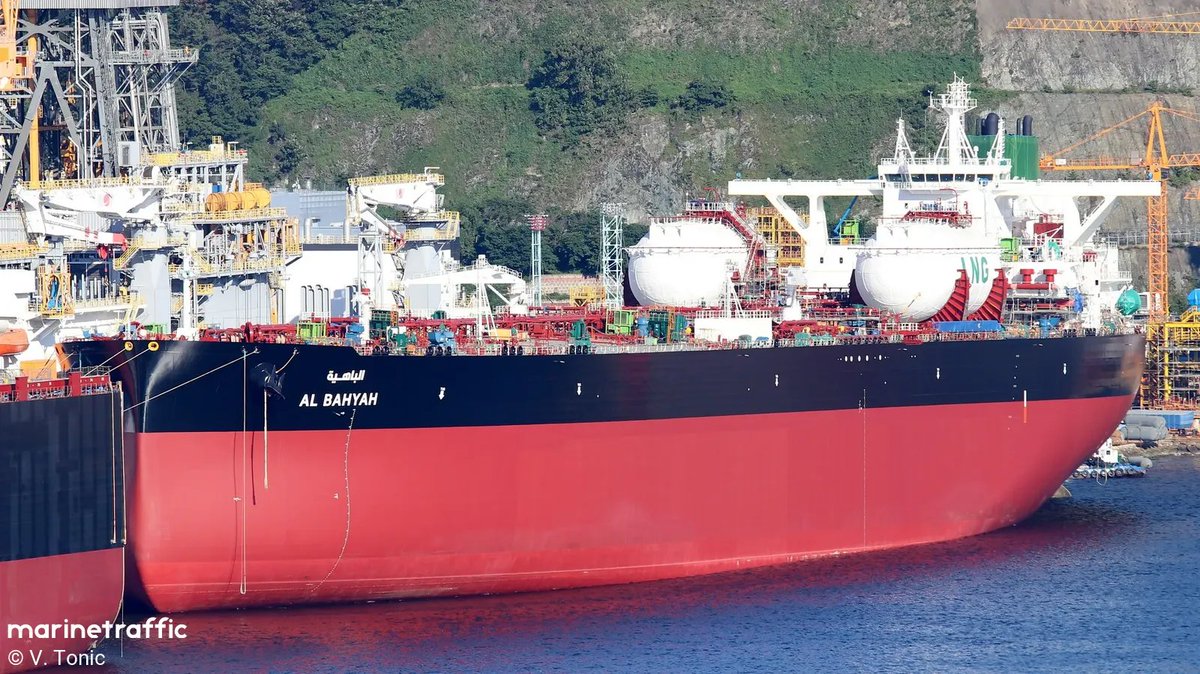
Social media platforms, especially X, are seeing a sudden surge in mentions of “Iranian cruise missiles strike UAE tankers in Strait of Hormuz” after the UAE Ministry of Defense released an official statement confirming that two Liberian-flagged crude-oil tankers—Mombasa B and Al Bahyah—were struck by Iranian cruise missiles while transiting Omani territorial waters in the southern corridor of the Strait of Hormuz. The ministry reported that one Indian crew member was killed and eight others injured in the attack, which occurred inside waters normally considered secure international transit lanes. Within hours, hashtags such as #IranWar began trending as footage of the burning vessels circulated and statements from U.S. officials signaled an immediate naval response, including a declared blockade of Iranian ports and renewed strikes on Iranian military targets. The rapid escalation from a single reported missile salvo to a U.S. announcement of strait-wide transit fees and port closures is what propelled the topic into global headlines today.
Common Perspectives
Regional Security Collapse
Gulf analysts argue that the strike inside Omani waters demonstrates Iran’s willingness to project force beyond its immediate coastline, effectively erasing the tacit “safe corridor” that had allowed tankers to transit without direct threat. Observers note that even the involvement of third-party flags and Omani jurisdiction did not deter the attack, raising fears that the entire waterway could become a sustained conflict zone.
Oil-Market Shockwave
Traders and shipping executives contend that the combination of physical damage to two VLCC-class tankers and the sudden U.S. threat to impose a 20 % transit fee has already pushed benchmark crude futures higher, with some predicting a repeat of the 2019 supply-jolt pattern if more vessels divert around the Cape of Good Hope. The immediate concern is not merely higher prices but the potential paralysis of chartering markets as war-risk premiums spike.
Diplomatic End-Game
Diplomatic circles in Washington and European capitals are framing the episode as the moment when remaining back-channel talks between the U.S. and Iran collapsed. Statements from Trump administration officials tying the strait blockade to a broader campaign against Iranian military infrastructure suggest that any prior hopes for incremental de-escalation have been overtaken by open naval confrontation.
Crew-Nationality Fallout
Indian maritime unions and New Delhi officials are focusing on the death of the Indian crew member, demanding both compensation and an international inquiry. Their statements emphasize that third-country nationals bear the human cost of geopolitical clashes, adding a layer of domestic political pressure on governments whose citizens serve on international tonnage.
A Different View
Rather than treating the incident as merely another chapter in U.S.-Iran tensions, some maritime-insurance specialists see it as a test case for algorithmic rerouting systems now used by major tanker fleets. Real-time war-risk models that once treated the Strait of Hormuz as a single pricing zone are being recalibrated to differentiate between Omani, Iranian and Emirati sectors on an hourly basis, potentially creating a patchwork of micro-corridors whose viability will depend less on state declarations than on live satellite feeds and AI-driven risk scores.
Conclusion
The convergence of a confirmed missile strike on two UAE-linked tankers, the reported casualties, and the immediate U.S. decision to blockade Iranian ports has transformed a long-simmering regional dispute into an active maritime crisis whose economic and human repercussions are playing out in real time across global oil markets and social media feeds.
Sources and discussion
These public posts were collected while researching this story. They provide context and reactions, but may not independently verify every claim.
View the original topic on XClash Report
@clashreport
UAE says Iranian cruise missiles struck two of its oil tankers in the southern Strait of Hormuz, killing one Indian crew member and injuring eight others.
Jul 13, 202616 likes2 repostsAleph א
@no_itsmyturn
UAE 🇦🇪 Ministry of Defense: The MOMBASA B and AL BAHYAH crude oil tankers were targeted by Iranian 🇮🇷 cruise missiles in Omani 🇷🇴 territorial waters in the Strait of Hormuz. The attacks resulted in the death of an Indian 🇮🇳 crew member and injuries to 8 others, including 6 of
Jul 13, 20265 likes3 repostsmanoj gairola
@manoj_gairola
Iran War: One Indian crew member killed, eight wounded after two UAE tankers were targeted by Iranian cruise missiles in the southern Strait of Hormuz. #IranWar
Jul 13, 2026Mohammad
@Mohammadz204060
@EricLDaugh The national oil tankers Mombasa and Al Bahia were targeted by two Iranian cruise missiles in the southern corridor of the Strait of Hormuz in Omani territorial waters.
Jul 13, 2026Mohammad
@Mohammadz204060
@USABehFarsi The national oil tankers Mombasa and Al Bahia were targeted by two Iranian cruise missiles in the southern corridor of the Strait of Hormuz in Omani territorial waters..
Jul 13, 2026Mohammad
@Mohammadz204060
@USABehFarsi The national oil tankers Mombasa and Al Bahia were targeted by two Iranian cruise missiles in the southern corridor of the Strait of Hormuz in Omani territorial waters.
Jul 13, 2026