

#SavePunch: Tiny Orphaned Macaque's Heartbreaking Plight with Bullying Troop Sparks Global Outrage and Viral Trend
• From trending topic: #savePunch
Summary
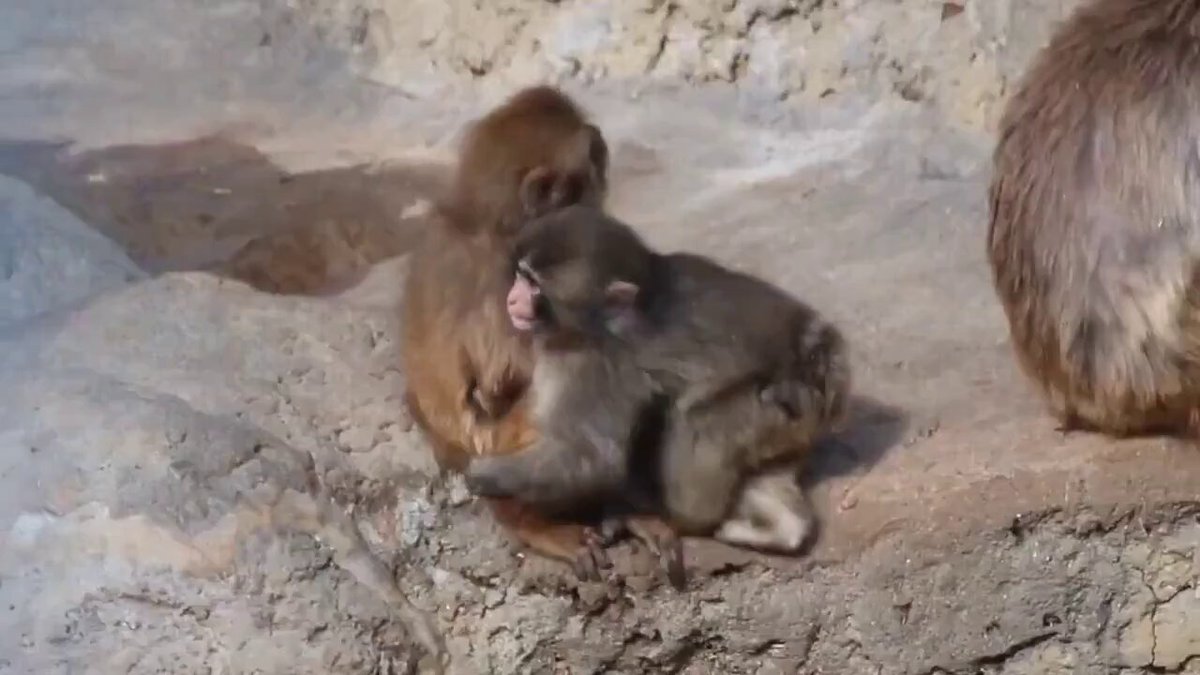
The hashtag #savePunch has exploded on X (formerly Twitter) in the past 24 hours, driven by a deeply emotional video circulating online showing a tiny orphaned macaque monkey named Punch being roughly dragged and bullied by larger monkeys in what appears to be a zoo or captive primate enclosure. The clip, believed to originate from a Japanese facility (hinted at by tags like #GanbarePunch and references to "Japan" and "Rupert Bear"), captures Punch clinging desperately to his plush orangutan toy for comfort amid the aggression from the adult troop. Abandoned at birth and hand-raised by humans, Punch is now struggling to reintegrate into the group, leading viewers to witness scenes of him being hauled around by bigger monkeys on a concrete floor scattered with minimal sticks to simulate a natural environment.
This specific video resurfaced and went viral today, amassing thousands of views and sparking the #savePunch trend with posts garnering dozens of likes each. The raw emotion of Punch's isolation—hugging his toy amid the turmoil—has ignited widespread calls to "protect this pure soul," "stop the bullying," and even "ride at dawn" to rescue him. Accompanying discussions highlight the cruelty of forcing an orphaned primate into an aggressive adult pack without adequate protection, fueling demands to intervene, close zoos, or remove Punch from harm. The trend's momentum today stems directly from this footage's rapid sharing, blending animal welfare fury with personal anecdotes and broader social critiques, propelling it into global conversations.
Common Perspectives
Immediate Rescue and Separation
Many users demand Punch's immediate removal from the troop, emphasizing his vulnerability as a hand-raised orphan. Posts cry "this bullying needs to STOP" and "If you touch that baby I’ll change my morals real fast," portraying the video as soul-crushing evidence of abuse that requires urgent human intervention to save his life.
Anti-Zoo and Animal Rights Crusade
A strong contingent links #savePunch to larger movements like #closezoos and #SmashCapitalism, arguing that animals are "not exhibits" and that concrete floors with fake "natural" elements exacerbate the cruelty. They see Punch's situation as a symbol of systemic failures in captive primate care.
Let Nature Take Its Course
Some defend the status quo, noting that primate packs naturally involve rough integration for orphans to learn survival skills like fighting and fending off threats. They argue separating Punch now would doom him long-term, as zookeeper interference might lead to the troop rejecting or killing him later.
Broader Social Justice Parallel
Several posts draw connections to human suffering, comparing Punch's plight to bullied children (e.g., "I felt like Punch every day in middle school") or global crises like kids in Gaza facing starvation and walls. This view laments that a monkey garners more attention than war-torn children, calling for compassion to extend beyond animals.
Cultural and Humorous Relatability
Lighter takes include personal stories ("Dad, tell me about Punch the monkey") and ironic nods (e.g., "Supreme Court #savepunch"), with some co-opting the trend for unrelated communities like $AlienTROLL. Others root for Punch with playful encouragement like "GanbarePunch" (Japanese for "go for it").
A Different View
While the video evokes instinctive protectiveness toward Punch's tiny frame and toy-clutching desperation, few consider the evolutionary parallel to human orphan reintegration programs in primate research. In wild troops, such rough "dragging" often serves as tough-love grooming, teaching social hierarchies essential for adulthood—mirroring how some indigenous cultures or even modern foster systems expose vulnerable youth to group dynamics for resilience. Punch's plush toy, provided by keepers, might inadvertently hinder this natural learning by fostering dependency, suggesting a hybrid approach: enhanced monitoring and gradual troop exposure with tree-like enrichments, rather than outright removal, could equip him for a healthier future in a sanctuary. This angle reframes the drama not as pure bullying, but as a messy, necessary rite awkwardly replicated in captivity.
Conclusion
#SavePunch's viral surge underscores a universal ache for the vulnerable, transforming a single macaque's struggle into a lightning rod for debates on animal welfare, captivity ethics, and human empathy. As the video continues to circulate, it remains to be seen whether zookeepers will respond to the global chorus or if Punch's story fades— but for now, his plush-hugging innocence has united strangers in a cry for change.
Sources and discussion
These public posts were collected while researching this story. They provide context and reactions, but may not independently verify every claim.
View the original topic on XIntare Batinya 🇺🇸
@GorillaExplorer
This tiny orphaned macaque Punch only has his plush orangutan to hug when the big monkeys drag him around 😭💔 Abandoned at birth, hand-raised, now fighting to fit in… but the bullying needs to STOP. Who’s with me? Protect this pure soul! 🐒🧸 #SavePunch #GanbarePunch
Feb 20, 202664 likes9 repostsAyşe Özer
@ayse0zer
Animals are not exhibits. #closezoos #savePunch
Feb 21, 202646 likes9 repostsNoodleGuy
@NoodleGuy11223
I’ve never wanted to fight monkeys. But If you touch that baby I’ll change my morals real fast. #SavePunch #savepunch
Feb 20, 202636 likes4 repostsVICTORIA𓂆
@ANTIVICTORIA
#savePunch I wish all the outpouring of compassion for Punch could also translate to little kids in Gaza trying to escape a bigger wall but dying or starving instead. Poor Punch. Poor kids.
Feb 20, 202629 likes6 repostsخالد
@Yrnrabi
A monkey gets more mainstream attention than the children in Gaza. What has the world come to smh #savePunch #SaveGaza
Feb 21, 202625 likes5 repostsBostonChrissie24
@chrissiemac2424
This is absolutely soul crushing every time I see this it makes me cry we have to #savePunch this sweet baby we ride at dawn, who’s with me!
Feb 21, 202617 likes3 reposts