

Pentagon Designates Anthropic as Potential Critical Infrastructure: What This Means for AI National Security
• From trending topic: Pentagon Designates Anthropic as Potential Critical Infrastructure
Summary
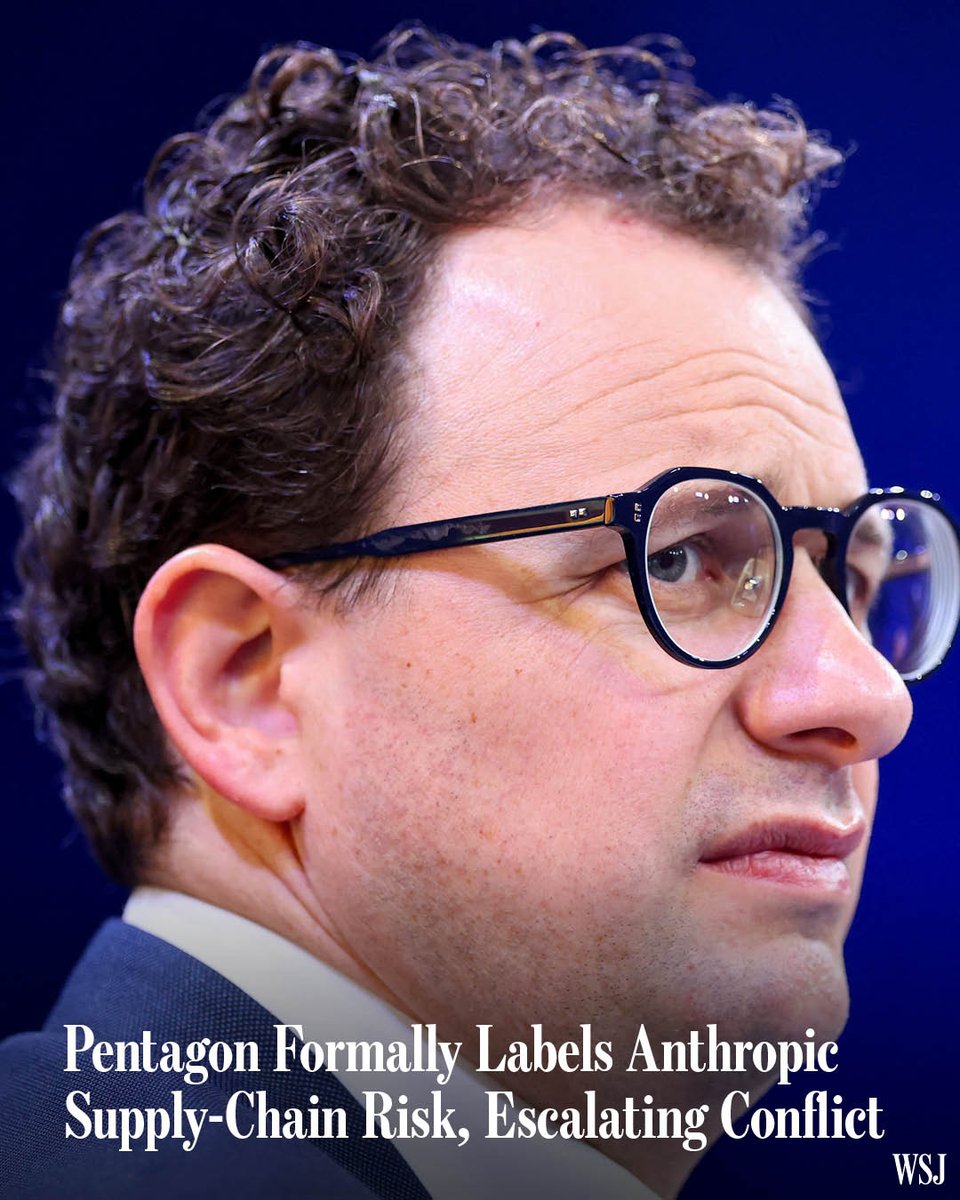
The Pentagon has officially designated Anthropic, the developer behind the advanced AI model Claude, as "potential critical infrastructure" under new Department of Defense guidelines aimed at safeguarding vital technology sectors. This designation, announced this week, stems from a recent executive order expanding protections for AI systems deemed essential to U.S. national security, economic stability, and defense capabilities. The move highlights Anthropic's role in frontier AI development, positioning it alongside sectors like energy grids, telecom networks, and financial systems that could face cyber threats or disruptions with cascading national impacts.
Trending today due to the immediate fallout from this announcement—shared widely across X (formerly Twitter), tech forums, and news outlets—the story has sparked viral debates on AI's role in warfare, government oversight, and corporate power. Key details include the Pentagon's rationale that Anthropic's AI capabilities could underpin military logistics, intelligence analysis, and autonomous systems, making it a prime target for adversarial nations like China or Russia. This is the first high-profile application of the Biden administration's 2023 AI executive order, which directed federal agencies to identify and protect critical AI infrastructure, and it coincides with heightened U.S.-China AI tensions amid reports of espionage attempts on U.S. tech firms. No public details have emerged on specific new security measures for Anthropic, but the label triggers mandatory federal reporting of threats and potential access to enhanced cybersecurity resources.
Common Perspectives
National Security Boost
Many view this as a proactive win for U.S. defense, arguing that formalizing AI firms like Anthropic under critical infrastructure status ensures they receive top-tier protection against foreign hacks or sabotage. Supporters, including defense analysts and policymakers, point to rising cyber threats from state actors as justification, seeing it as a necessary shield for technologies that could decide future conflicts.
Government Overreach on Private Innovation
Critics from the tech libertarian camp express alarm over increased federal entanglement with a private company, warning that the designation could lead to bureaucratic red tape, mandatory compliance, and diluted innovation. They argue it blurs lines between civilian AI research and military priorities, potentially stifling Anthropic's independent development.
Economic and Competitive Edge
Business leaders and investors hail the move as a signal of U.S. AI dominance, positioning Anthropic—and by extension, America—for advantages in global markets and talent wars. This perspective emphasizes how the label could unlock government contracts, funding, and partnerships, bolstering the sector against competitors like those in China.
Ethical and Safety Concerns
AI ethicists and advocacy groups raise flags about tying a safety-focused company like Anthropic (known for its constitutional AI approach) closer to the Pentagon, fearing it accelerates militarized AI without adequate oversight. They highlight risks of dual-use tech enabling surveillance or autonomous weapons.
Precedent for Broader AI Regulation
Some observers see this as the opening salvo in a wave of designations for other AI players like OpenAI or xAI, framing it as a template for regulating the entire industry. This view anticipates both protective benefits and a slippery slope toward heavy-handed controls on emerging tech.
A Different View
While most discussions fixate on cybersecurity, military implications, or regulation, consider this angle: the designation subtly reframes AI companies as de facto utilities, akin to water or power providers, which could inadvertently foster public expectations of universal AI access. Imagine Anthropic's Claude evolving into a "national AI service" with subsidized access for education, disaster response, or small businesses—transforming it from a premium product into a public good. This utility-like status might pressure Anthropic to prioritize societal resilience over profit, sparking innovations in equitable AI deployment that outpace private-sector incentives alone, and challenging the narrative of AI as an elite commodity.
Conclusion
The Pentagon's critical infrastructure nod to Anthropic marks a pivotal moment where AI transcends startups and chatbots to anchor national strategy. Balancing security imperatives with innovation freedoms will define the path ahead, as stakeholders from Capitol Hill to Silicon Valley grapple with its ripple effects. Stay tuned to The NOW Times for updates on how this unfolds in the AI arms race.
Sources and discussion
These public posts were collected while researching this story. They provide context and reactions, but may not independently verify every claim.
View the original topic on X