

Chevron Issues Dire Warning of Economic Collapse in California Due to Newsom's Climate Regulations
• From trending topic: Chevron warns of economic collapse in California under Gavin Newsom
Summary
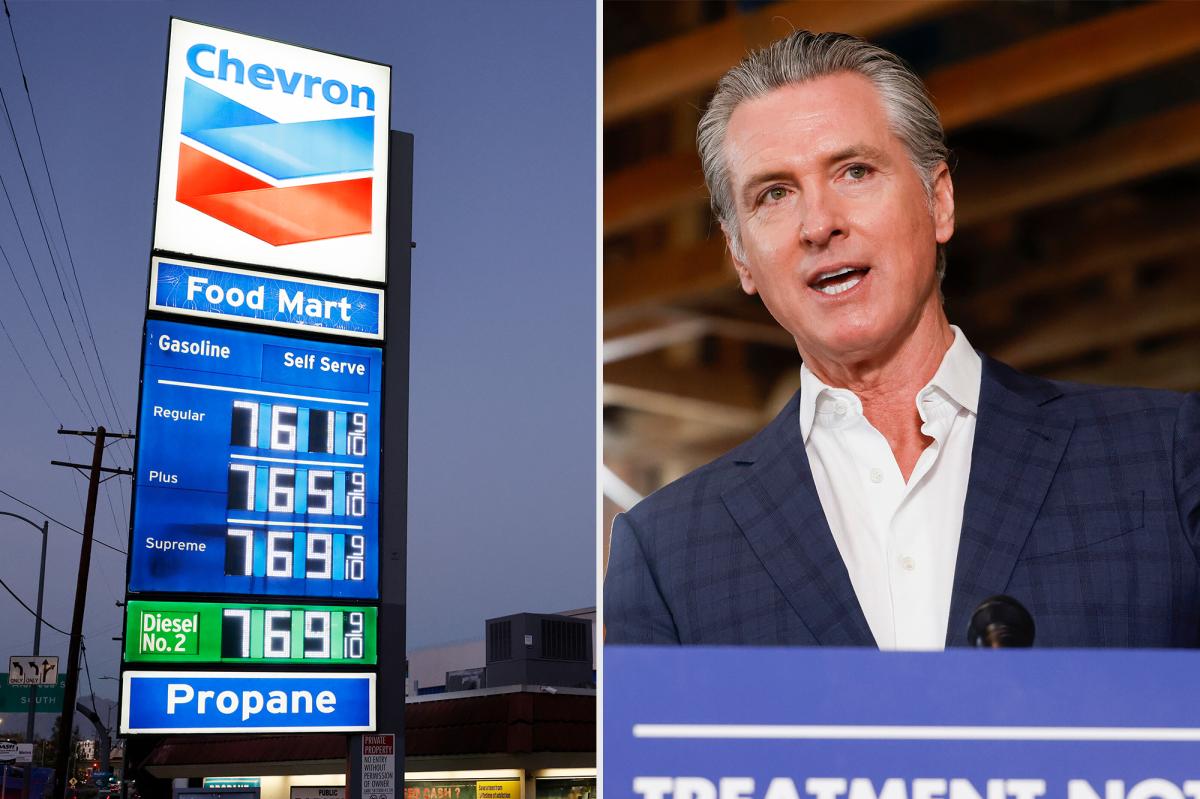
Chevron has ignited a firestorm on social media platforms like X, where posts about its "doomsday letter" to California regulators are racking up thousands of likes and shares. The trending topic stems directly from a recent New York Post article highlighting Chevron's formal response to a proposed state regulation that would drastically cut refinery emissions by 90% over the next decade. In the letter, Chevron argues that these "misguided" climate policies under Governor Gavin Newsom threaten to wipe out California's refining industry entirely, leading to massive job losses, refinery closures, and gas prices soaring potentially to $8 per gallon or higher. This warning surfaced amid ongoing regulatory battles, with Chevron stating the rules would "cripple the survivability of the state’s remaining refineries," forcing the company and others to shutter operations. The letter's release has fueled viral discussions today, amplified by high-engagement X posts (one garnering over 12,000 likes), positioning it as a stark prediction of economic doom tied to Newsom's aggressive push for net-zero emissions in refining by 2045. As California grapples with already sky-high fuel costs and supply constraints, this corporate alarm is dominating conversations about the state's energy future.
Common Perspectives
Newsom's Policies Are Destroying California's Economy
Many trending X posts echo Chevron's letter, portraying Governor Newsom as recklessly "burning the place down" with extreme climate mandates. Supporters of this view highlight the risk of total industry loss, job cuts in the tens of thousands, and unaffordable gas prices, arguing the regulations prioritize ideology over practical economic survival.
Corporate Fearmongering to Protect Profits
Critics on X counter that Chevron's "doomsday" rhetoric is exaggerated self-interest from Big Oil resisting accountability. They point to the company's profits and past environmental records, suggesting the letter is a scare tactic to derail regulations aimed at cleaner air and long-term sustainability, with some calling it "projection" from industry wrecking balls.
California Faces Inevitable Supply Crisis
A prevalent opinion frames the letter as a realistic alert to an impending fuel shortage, independent of politics. Users note California's unique vulnerability—importing most refined products already—and warn that refinery exits would spike prices and disrupt supply chains, urging immediate policy reversal to avoid collapse.
Green Transition Demands Tough Choices
Some perspectives celebrate the regulations as necessary for California's climate leadership, viewing Chevron's warnings as the short-term pain of progress. They argue job losses could shift to green energy sectors, with high gas prices incentivizing electric vehicles and reducing emissions, positioning the state as a model despite economic risks.
Blame on Failed State Leadership
Voices like "Your state is a mess" attribute the crisis to broader Newsom-era mismanagement, using Chevron's letter as evidence of systemic decline. This view ties refinery threats to high taxes, homelessness, and exodus, seeing the warning as confirmation that progressive policies are driving California toward ruin.
A Different View
While debates rage over blame and economic fallout, few consider how Chevron's letter could inadvertently accelerate a national refining renaissance outside California. As the state risks losing its last in-state refineries, out-of-state producers in Texas, Utah, or the Midwest could ramp up exports to fill the void—but with California's strict fuel blend requirements, this might force costly adaptations or waivers. This shift could redistribute billions in refining revenue and jobs away from the West Coast, quietly boosting red states' economies and reshaping U.S. energy maps in ways that sideline coastal politics entirely.
Conclusion
Chevron's pointed letter has turned a regulatory skirmish into a national trending spectacle, exposing deep divides over California's energy path under Newsom. As X buzz intensifies, the real stakes—jobs, prices, and the viability of green mandates—demand close watching, with ripple effects that could redefine the nation's fuel landscape.
Sources and discussion
These public posts were collected while researching this story. They provide context and reactions, but may not independently verify every claim.
View the original topic on XNew York Post
@nypost
Chevron warns of economic collapse in California under Gavin Newsom in doomsday letter
Mar 5, 202612.2K likes2.8K repostsCalifornia Post
@californiapost
Chevron warns of economic collapse in California under Gavin Newsom in doomsday letter
Mar 5, 20261K likes279 repostsOwen Gregorian
@OwenGregorian
Chevron warns of economic collapse in California under Gavin Newsom in doomsday letter | Anthony Blair, New York Post California will face economic collapse under Gov. Gavin Newsom’s “misguided” climate policy — with crippling job losses and sky-high gas prices, Chevron warned
Mar 5, 202669 likes24 repostsjoe miller
@JoeMiller4547
@nypost “Chevron warns of economic collapse in California under Gavin Newsom in doomsday letter” Newsom is burning the place down as he heads out the door. @SteveHiltonx @susancrabtree
Mar 5, 202673 likes15 repostsDesert Dweller Chica
@saguarocorner
Chevron warns of economic collapse in California under Gavin Newsom in doomsday letter
Mar 5, 20261 likes1 repostsNot_Moriarty
@NotMoriarty1
"Chevron warns of economic collapse in California under Gavin Newsom in doomsday letter" - New York Post #SmartNews
Mar 5, 20261 likes1 reposts