

Khalilur Rahman of Bangladesh Takes Over as UN General Assembly President
• From trending topic: Bangladesh's Dr. Khalilur Rahman Elected UN General Assembly President
Summary
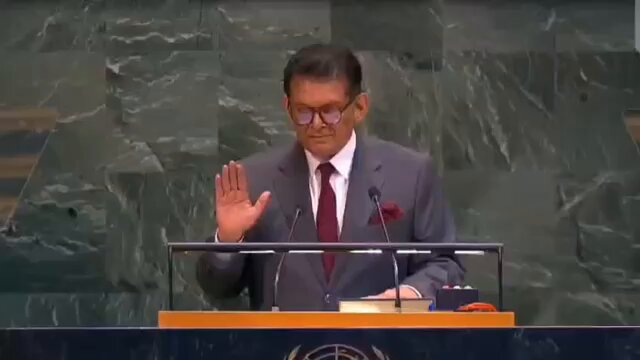
Dr. Khalilur Rahman of Bangladesh has assumed the presidency of the 81st United Nations General Assembly session. Bangladesh’s Foreign Ministry posted his oath-taking, and the General Assembly president’s account marked the transfer of the gavel.
In a post announcing that he had taken office, Rahman said he wanted to work with member states to make the organisation fit for the future as it enters its ninth decade. The handover message emphasised dialogue, cooperation and multilateralism. Secretary-General António Guterres also posted about joining his final General Assembly session in that role. These statements establish the transition and stated aspirations, not a completed reform programme. The perspectives below interpret those statements rather than describe unverified public reactions.
Common Perspectives
A diplomatic milestone for Bangladesh
The Foreign Ministry’s publication of the oath-taking places a Bangladeshi diplomat’s new international role on the official record. The announcement does not establish what additional influence or outcomes the role will deliver.
Continuity between sessions
The handover message stresses a shared commitment to cooperation despite the change in president. Continuity of procedure can support diplomatic work, while remaining distinct from agreement on particular issues.
An aspiration for institutional change
Rahman’s stated aim is a UN fit for the future. That supplies a direction, but the retained posts do not set out specific measures, an implementation schedule or evidence of member-state agreement.
A Different View
Ceremonial transitions are easy to identify; institutional results take longer to assess. Reporting the new presidency separately from its ambitions allows later decisions to be compared with what was promised.
Conclusion
The session’s agenda and subsequent decisions will provide evidence of how the stated priorities translate into action.
Sources and discussion
These public posts were collected while researching this story. They provide context and reactions, but may not independently verify every claim.
View the original topic on XMinistry of Foreign Affairs
@BDMOFA
Oath taking of HE Dr. Khalilur Rahman as the President of the 81st session of the United Nations General Assembly
Sep 8, 20261.5K likes187 repostsKhalilur Rahman
@UN_PGA
Today, I assumed the Presidency of the 81st session of the UN General Assembly. As the UN enters its ninth decade, I look forward to working with all Member States to ensuring our Organization is fit for the future and worthy of a resounding affirmation: UN, Yes! #FitforFuture
Sep 9, 20261.1K likes123 repostsKhalilur Rahman
@UN_PGA
As the gavel passes from the 80th #UNGA to the 81st, I’m grateful to all who helped make progress possible through dialogue, cooperation, and a shared commitment to multilateralism. Congratulations to H.E. Mr. Khalilur Rahman. The gavel changes hands, but our common purpose
Sep 8, 2026745 likes88 repostsAntónio Guterres
@antonioguterres
The @UN General Assembly has been the place where the world’s toughest & most consequential problems are confronted head-on. As I join the 81st #UNGA session for the last time as Secretary-General, I have enormous hope for a better, healthier & more peaceful future thanks to the
Sep 8, 2026527 likes131 reposts