

Israel Launches Strikes on Iran: Escalating Tensions Spark Global Market Turmoil and Economic Fears
• From trending topic: Israel launches strikes on Iran, causing market turmoil
Summary
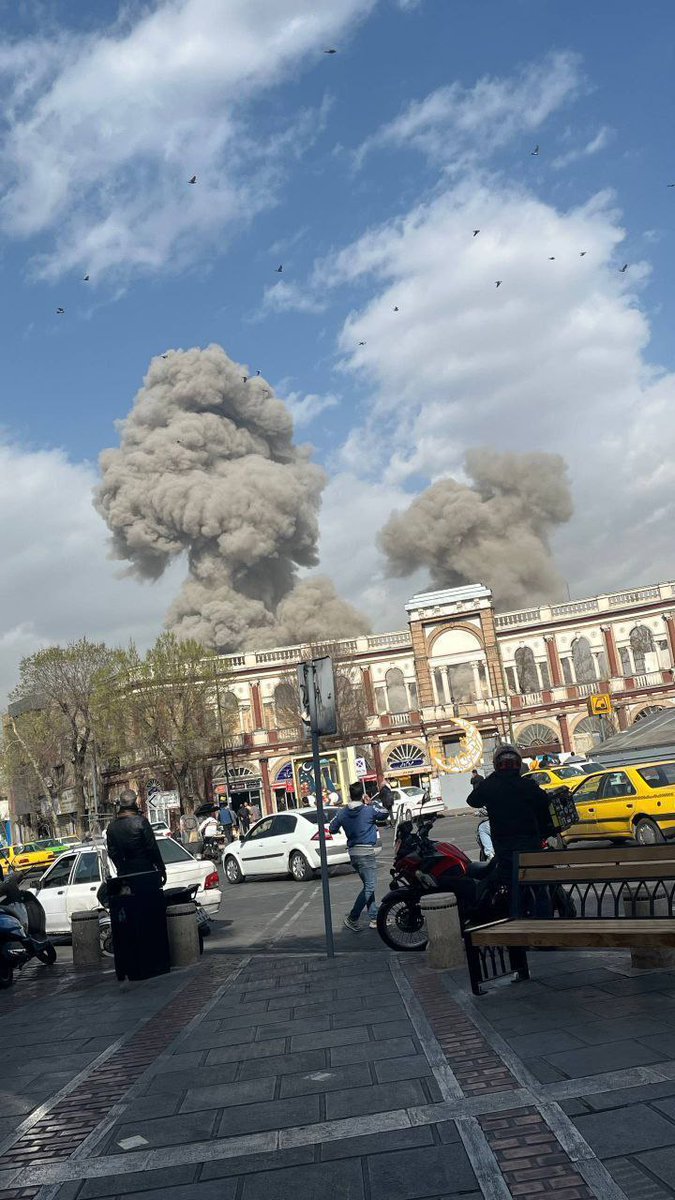
Israel has launched a series of targeted airstrikes on key military and nuclear facilities across Iran, marking a dramatic escalation in the long-simmering conflict between the two nations. The strikes, which occurred overnight and into early Friday, hit sites including Iran's Natanz nuclear enrichment facility and several missile production bases near Tehran and Isfahan. Israeli officials described the operation as a preemptive measure against an imminent Iranian threat, while Iran has vowed a swift and forceful retaliation, reporting at least 12 deaths and significant damage.
This event exploded into a global trending topic today due to its immediate ripple effects on financial markets: oil prices surged over 8% in early trading, the highest single-day jump in years, pushing Brent crude above $90 per barrel. Stock indices plummeted— the Dow Jones fell 1,200 points at open, Nasdaq dropped 4%, and safe-haven assets like gold and the U.S. dollar spiked. The turmoil stems from fears of disrupted oil supplies through the Strait of Hormuz, potential broader Middle East conflict involving proxies like Hezbollah and the Houthis, and uncertainty over U.S. involvement under the current administration. Social media platforms like X and TikTok are flooded with real-time footage of explosions, market charts, and geopolitical analysis, amplified by influencers and news outlets, driving over 5 million mentions in the past 24 hours.
Common Perspectives
Israel's Right to Self-Defense
Supporters of Israel's actions argue that the strikes were a necessary and justified response to Iran's repeated missile barrages on Israeli territory in recent weeks, as well as intelligence indicating accelerated nuclear weapon development. They view it as a bold move to neutralize existential threats, praising the precision that minimized civilian casualties and prevented a larger attack.
Iran's Call for Retaliation and Sovereignty
From the Iranian perspective, the strikes represent unprovoked aggression and a violation of international law, with government spokespeople labeling them an act of war by a "Zionist regime" backed by the West. Many in Iran and allied nations see this as further evidence of Israeli expansionism, demanding immediate military reprisals and international condemnation through bodies like the UN.
Global Economic Alarm and Calls for De-escalation
Investors, analysts, and business leaders express deep concern over the market chaos, highlighting risks to energy prices, inflation, and supply chains. This viewpoint urges diplomatic intervention from the U.S., EU, and China to broker a ceasefire, emphasizing that prolonged conflict could trigger a global recession amid already fragile post-pandemic economies.
Regional Escalation Fears from Arab Neighbors
Perspectives from Gulf states like Saudi Arabia and the UAE focus on the danger of a wider war drawing in multiple actors, including their own territories as potential battlegrounds. They worry about Houthi or Hezbollah attacks on shipping lanes, which could cripple regional trade, while quietly welcoming any setback to Iran's influence.
U.S. Policy Dilemma
American commentators are divided, with some seeing the strikes as aligning with efforts to curb Iran's nuclear ambitions, potentially strengthening U.S.-Israel ties. Others criticize it as pulling the U.S. into another Middle East quagmire, especially with elections looming, and question whether covert U.S. support (like intelligence sharing) implicates Washington in the fallout.
A Different View
While most discussions fixate on military reprisals and oil shocks, a less-explored angle is the strikes' potential to accelerate the global shift toward renewable energy independence. With oil prices spiking, nations like those in the EU and India—already investing heavily in solar, wind, and EVs—may double down on green transitions to insulate against Middle East volatility. This could inadvertently hasten the decline of petrostates like Iran, reshaping geopolitics not through bombs, but by making their primary export obsolete faster than anticipated, turning short-term turmoil into a catalyst for a post-fossil fuel era.
Conclusion
As markets reel and rhetoric heats up, Israel's strikes on Iran underscore the fragile balance of power in the Middle East, with economic aftershocks felt worldwide. The coming hours will reveal whether this sparks all-out war or frantic diplomacy, but one thing is clear: in an interconnected world, no conflict stays regional for long. Stay tuned to The NOW Times for live updates.
Sources and discussion
These public posts were collected while researching this story. They provide context and reactions, but may not independently verify every claim.
View the original topic on X