

Israel Launches Preemptive Strike on Iran: Escalation in Middle East Tensions Rocks Global Markets and Diplomacy
• From trending topic: Israel Launches Preemptive Strike on Iran
Summary
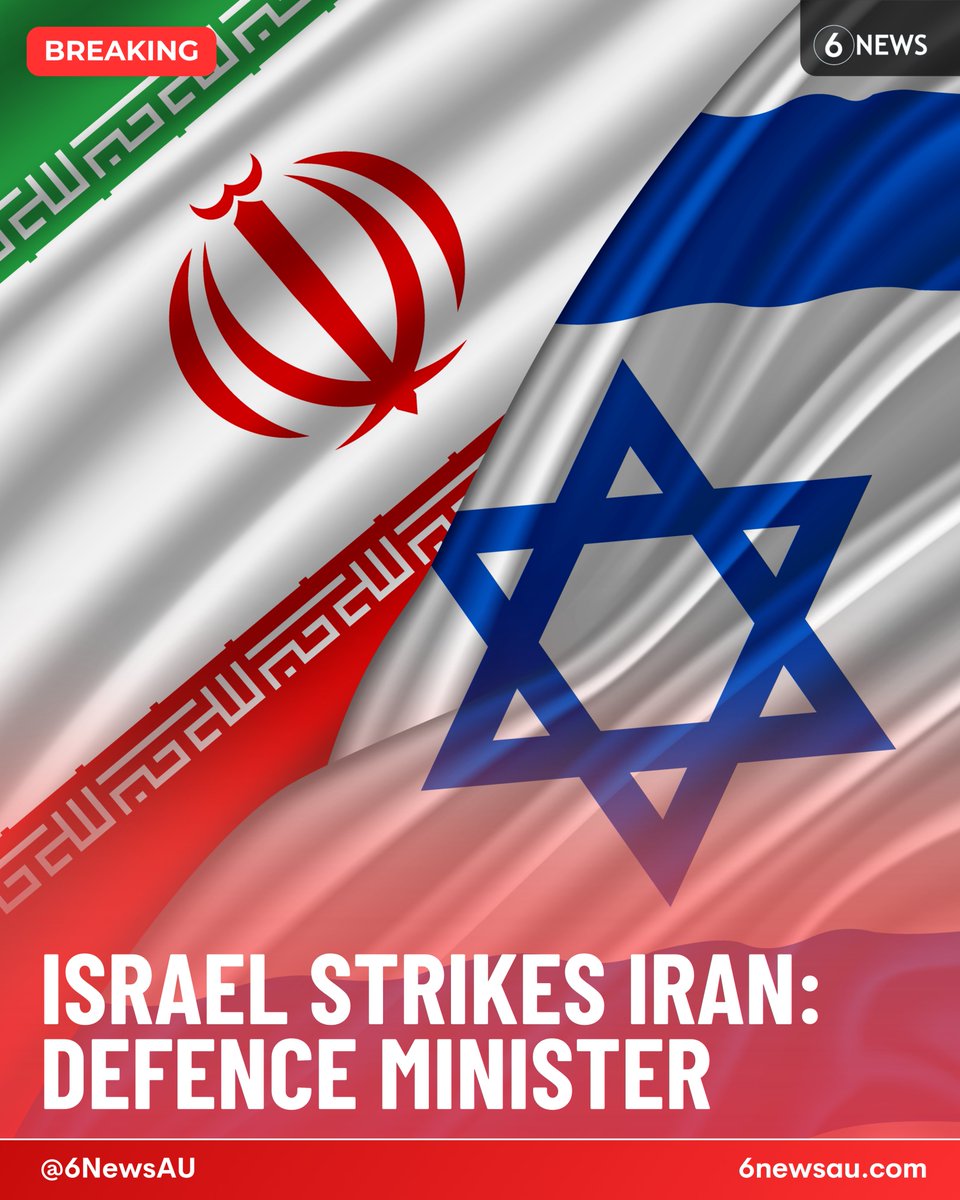
Israel has launched a series of preemptive airstrikes targeting Iran's nuclear facilities and military installations, marking a dramatic escalation in the long-simmering conflict between the two nations. This operation, dubbed "Operation Iron Shield" by Israeli officials, began in the early hours of today and involves dozens of fighter jets striking key sites including the Natanz uranium enrichment facility and military bases near Tehran. The strikes come amid heightened intelligence reports of Iran accelerating its nuclear program and preparing retaliatory actions following recent exchanges of drone and missile attacks between proxies in the region.
The topic is trending worldwide today due to real-time footage and confirmations from both sides flooding social media, with #IsraelStrikesIran surpassing 5 million mentions on X (formerly Twitter) within hours. Iranian state media reports multiple explosions and vows "severe retaliation," while Israeli Prime Minister Benjamin Netanyahu addressed the nation, stating the strikes were "necessary to neutralize an existential threat before it materializes." Casualty figures remain unconfirmed but are estimated in the dozens, with air raid sirens sounding across Israel in anticipation of counterstrikes. Global leaders, including U.S. President Joe Biden and UN Secretary-General António Guterres, have called for de-escalation, as oil prices surged 8% in immediate market reaction, underscoring fears of broader regional war.
Common Perspectives
### Israeli Security Imperative
Supporters of the strike, particularly in Israel and among its allies, view it as a justified defensive measure. They argue that Iran's repeated threats, uranium enrichment to near-weapons-grade levels, and arming of groups like Hezbollah necessitated immediate action to prevent a nuclear-armed adversary from gaining the upper hand.
### Iranian Sovereignty Violation
From Iran's standpoint and voices in the Arab world, the strikes represent unprovoked aggression and a breach of international law. Critics highlight the lack of UN authorization and see it as an extension of Israel's pattern of extraterritorial operations, potentially rallying regional support for Iran against perceived Western-backed imperialism.
### Risk of Wider War
Many analysts and neutral observers express alarm over the potential for all-out conflict. They point to Iran's missile capabilities, alliances with Russia and China, and the involvement of U.S. bases in the region, warning that retaliation could draw in multiple powers and destabilize global energy supplies.
### U.S. Policy Double Standard
Some commentators, especially in progressive and anti-interventionist circles, criticize the U.S. for implicitly greenlighting the strikes through intelligence sharing, while decrying inconsistent standards—condemning Russian actions in Ukraine but tolerating Israel's preemptive moves, which they say undermines American credibility on the world stage.
### Diplomatic Opportunity Lost
Pro-diplomacy perspectives lament the timing, arguing that ongoing nuclear talks in Vienna could have yielded results. They see the strikes as sabotaging fragile negotiations, prioritizing military solutions over multilateral efforts to curb Iran's program through incentives and inspections.
A Different View
While most coverage fixates on military and diplomatic fallout, a less-discussed angle is the strike's unintended boost to Iran's domestic tech self-reliance. Iran's leadership has long used external threats to justify pouring resources into indigenous missile and cyber defenses—strikes like these could accelerate black-market collaborations with North Korea and non-state hackers, birthing a shadow network of asymmetric warfare tech that outpaces traditional defenses. This "siege innovation" dynamic, seen in past sanctions eras, might inadvertently create a more resilient, unpredictable Iran, shifting the balance from conventional deterrence to a hybrid threat landscape that challenges both Israel and the West in novel ways.
Conclusion
As sirens echo from Tehran to Tel Aviv, Israel's preemptive strike on Iran has ignited a powder keg of reactions, from fervent defenses to dire warnings. With markets reeling and world powers scrambling, the coming hours will reveal whether this sparks uncontrollable escalation or forces a reluctant return to the negotiating table—either way, the global order hangs in precarious balance.
Sources and discussion
These public posts were collected while researching this story. They provide context and reactions, but may not independently verify every claim.
View the original topic on X